Thai cuisine would not be the same without pickled condiments like shrimp paste and the intoxicating Pla Ra.
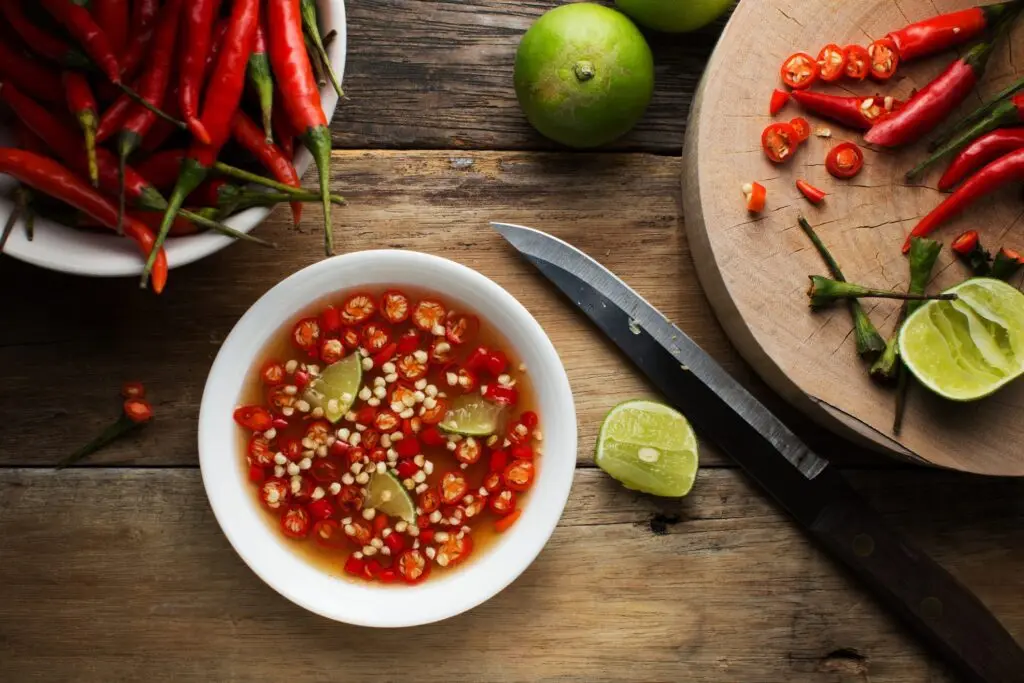
Fish sauce, the amber-colored liquid made from salted fish, is one of the most important, if not the most important, ingredients in Thai cuisine. Mixed with chopped bird's eye chilies and perhaps a squeeze of lime juice, it's a common condiment found on almost every table in Thailand, adding a distinctive heat to dishes. Drizzled over freshly steamed rice, it's the simplest form of a Thai meal. But fish sauce isn't the only fermented staple that gives Thai cuisine its distinctive flavor and umami taste.
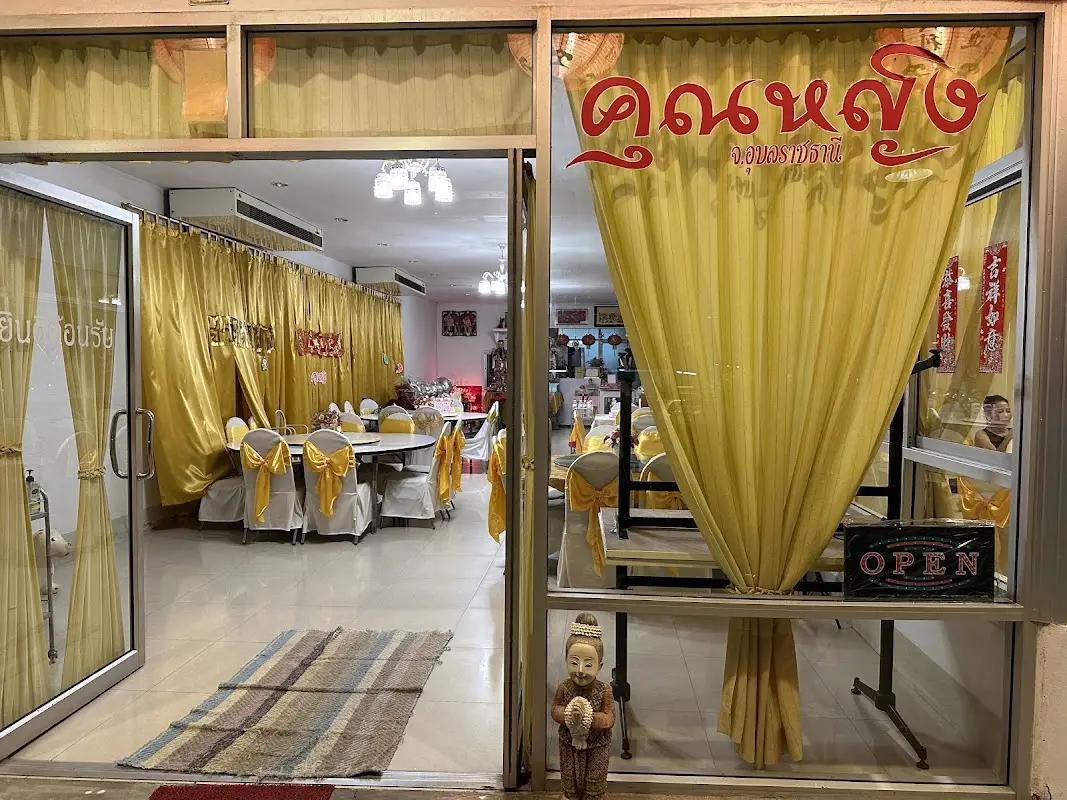
Take Pla Ra, for example. Made from cured freshwater fish with salt and rice bran, it's sometimes euphemistically called Thai anchovy sauce. Pla Ra originates from Isaan, the northeastern region of Thailand. So we called Weerawat Triyasenawat, the chef and owner of the Michelin-starred restaurant Samuay and Sons in Udon Thani, to ask for his take on this cloudy, spicy liquid.
He told us it had a very strong smell, but that shouldn't deter anyone from trying it. He recommended dishes like som tam (papaya salad). He serves a selection of six different som tam variations, showcasing the flavor of pla ra in different ways.
“We encourage our guests to discover new flavors,” says chef Num, one of the most renowned exponents of modern Isaan cuisine. “But we also offer them an experience where they feel comfortable.” At Samuay and Sons, you’ll also find Jaew Bong, a spicy seasoning sauce, and the smoked fish itself, which is smoked over sugarcane peels and served like cold cuts.
Don't miss the kapi (prawn paste), the star ingredient of Khao Kluk Kapi, fried rice with prawn paste—a beloved food court classic—and Nam Prik Kapi, another fiery dipping sauce. Chef Supaksorn Ice Jongsiri carefully sources his kapi from small, artisanal producers in southern Bangkok for his two-Michelin-starred restaurant, Sorn. One of the restaurant's specialties is the multi-course main course, served family-style. The rice comes with chili fish sauce and a thin slice of prawn paste grilled over charcoal to infuse it with flavor.
One variation of kapi is kheuy. Krill, small, shrimp-like crustaceans, are lightly pickled in salt and sugar and are ready to eat after a few days. We first learned about the special properties of kheuy from Khun Patcharee, the owner of "The Nature," an organic café with regional products, nestled in a lush garden with fruit trees and lotus ponds on the island of Koh Samui. Kheuy is used in her miang kham, a small snack that you assemble yourself in an edible lotus leaf, in a colorful South Korean rice salad, and in the dressing for her khao yam.
Back in Bangkok, Phuket-born chef Saritwat “Earth” Wanvichitkun prepares his krill at the Michelin-starred restaurant Saawaan before frying it with tender pork cheek – one of the standout dishes on his recently released summer menu.
Fermentation for flavor enhancement isn't limited to fish. In northern Thailand, Tua Nao, a fermented soybean paste often seasoned with chili and garlic, is very popular. Thai miso paste can be used on its own, flattened into a disc and sun-dried, or crumbled and then crushed in a mortar and pestle to add an earthy note to sauces and pastes. Tua Nao is also vegetarian, making it an excellent substitute in recipes calling for shrimp paste or Pla Ra. It can even be enjoyed dry as a snack.
Have you worked up an appetite after reading this text and are you ready to discover new flavors during your stay in Thailand?


Community
Comments 0
Start the conversation.