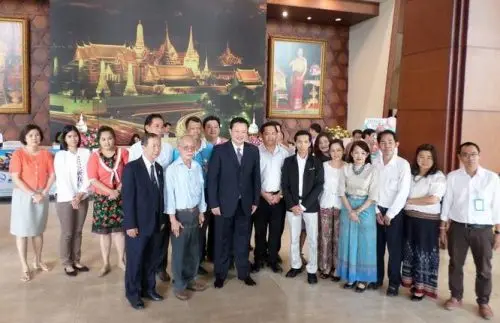
Bangkok, Thailand, June 18, 2021 / TRAVELINDEX / By Imtiaz Muqbil, Editor-in-Chief, Travel Impact Newswire – Dear Governor Yuthasak, despite some minor difficulties, the vaccination process is progressing rapidly. The speech given by Thai Prime Minister General Prayuth Chan-ocha on June 16 paved the way for recovery and revival, spearheaded by the travel and tourism sector. You now have a unique opportunity to build upon this speech and solidify your place in history, as well as that of the Tourism Authority of Thailand and Thailand as a whole.
When the crisis hit, there was great optimism that the travel and tourism industry would turn it into an opportunity for recovery, realignment, restructuring, rethinking, overhauling, review, and much more. These lofty buzzwords are nothing new; I remember hearing them after every previous crisis. In reality, however, they achieved little or nothing.
However, this crisis differs from all others in its depth, duration and severity, which is why it must not lead to a return to the old normal state.
• You can find a detailed travel guide for Thailand at VisitThailand.net.
As the country's leading tourism marketing agency, the TAT will play a key role in the recovery process. Marketing, branding, and image experts will undoubtedly be vying for taxpayer money for large-scale reopening projects. Provincial cities, airlines, and tour operators are also on the waiting list. Given that money is crucial and as scarce as vaccines, it is essential that every baht is used responsibly, transparently, productively, and efficiently, achieving the desired results in line with the new realities.
I would like to respectfully suggest some ways in which the TAT can revise the use of its budgets and thereby set a clear example for national tourism organizations worldwide:
Refocusing: What is the true goal of a tourism recovery? Is it enough to measure visitor numbers and spending as indicators of success? In fact, it is now urgently necessary to fundamentally rethink and restructure these indicators. The immediate, short-term results of recovery campaigns can be easily measured statistically by the transport sector, hotels, and tour operators. The Tourism Authority of Thailand (TAT) must now set higher standards and pursue more ambitious goals.
Support worthwhile causes: If travel and tourism contribute to a more peaceful, safer, and sustainable world, it means supporting goals such as the UN Sustainable Development Goals globally, the ASEAN Integration Agenda regionally, and the goals of the National Sustainable Development Strategy (NESDC) and the sufficiency economy at the local level. Many non-profit foundations, NGOs, and institutions support these efforts. They have a large following but cannot afford to hire expensive sales representatives to market their activities and projects. Since their work is supported by thousands of dedicated individuals, national tourism organizations should actively reach out to them, rather than the other way around. Corporate social responsibility activities that make the world a better place are—in the words of former UNWTO Secretary-General Dr. Taleb Rifai—a sure way to improve the quality of life at a destination, create a new, realistic image, AND increase visitor numbers.
Diversifying Venues for TAT Events: Most TAT press conferences and public events are held either internally or in hotels. These venues could easily be linked with overarching organizations such as the Siam Society, Thai universities, the UN-ESCAP Conference Centre, museums, the Foreign Correspondents Club of Thailand, and similar institutions. These organizations would certainly welcome the wider reach and benefit from increased visibility and local funding. Partnering with them could also generate more positive publicity for the TAT and improve the quality of discussions on key tourism-related issues, which is long overdue.
Enhancing the Intellectual Value of Travel and Tourism Forums: A bitter lesson from this and previous crises is the complete dependence of global tourism on external shocks. Therefore, it is essential to find ways for the travel and tourism industry to influence global events, rather than being influenced by them. Line the pockets of brand experts, tech gurus, bloggers, and "influencers" simply to generate "likes" and "clicks" is a pure waste of time and money. Industry conferences and forums have degenerated into content-free platforms where like-minded individuals are merely lectured. The industry is tired of listening to the usual gatherings of self-proclaimed top executives from Google, TripAdvisor, Facebook, and so on. Why not organize a completely revamped industry event to discuss overarching themes such as foreign policy, the next NESDC five-year plan, cryptocurrencies, climate change, the future of democracy, data privacy, security, fake news, and fraud?
Self-help for the private sector: The Covid-19 crisis has severely impacted the private sector. However, reconstruction must not take the form of one-sided subsidies. During the boom years, dozens of travel and tourism industry associations were established to represent the interests of their diverse members. Most of their websites are now outdated and unusable. The Tourism Authority of Thailand (TAT) maintains one of the best websites in the Thai government. This experience can benefit private sector associations. Self-help is a far more cost-effective way to achieve results.
Finally, transparency is essential: The first female governor of the TAT, Juthamas Siriwan, brought disgrace upon the state-owned enterprise with her arrest and conviction for corruption. Greater openness and transparency in all procurement contracts and marketing activities are crucial to ensuring that external contractors deliver on their promises and are held accountable for cronyism and inefficiency. Other national tourism organizations worldwide will be compelled to follow this example and set new standards for industry best practices.
Governor Yuthasak, you were the first "outsider" to head the Tourism Authority of Thailand (TAT). I was in the TAT lobby when you took office in August 2015, a year after the relatively minor domestic political crisis of the 2014 military coup. Since then, visitor numbers have increased so dramatically, thanks to a massive influx of Chinese and Indian tourists, that "overtourism" has become a double-edged sword. You won't have to worry about that problem for years to come.
After global tourism went from boom to crisis virtually overnight, it now has the chance for a fresh start. Leaders like you can make history. Old business models are rapidly losing relevance. The entire industry urgently needs a fundamental overhaul of its ways of working – a complete "reboot, rethink, and restructure." Without this, even the survival of the tourism authority in its current form is not guaranteed.
As one of Thailand's longest-serving travel journalists, I am proud to have been the first to describe the Kingdom as the greatest success story in global tourism. In 1987, a marketing spectacle par excellence, the so-called "Visit Thailand Year," united the country and revolutionized global tourism. A new strategic direction fits perfectly into the six-month timeframe set by the Prime Minister to revitalize the industry and the country. This time, however, we must ensure that the ground beneath our feet is firm and stable.
Imtiaz Muqbil, Senior Editor, Travel Impact Newswire

Community
Comments 0
Start the conversation.