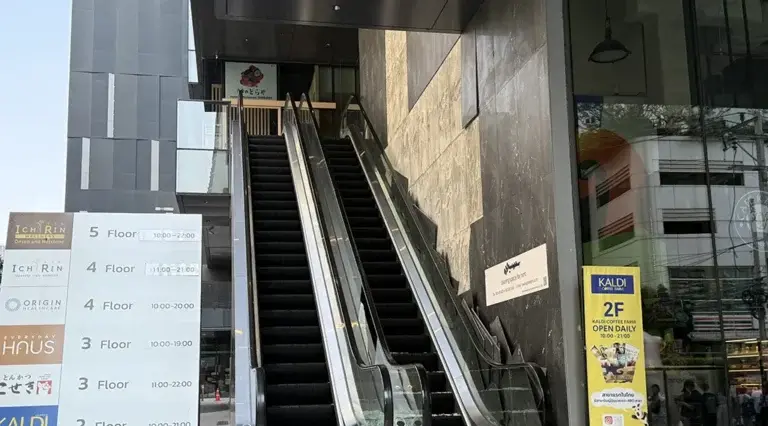
On March 28, 2025, a powerful earthquake caused significant property damage throughout Thailand, particularly in the capital, Bangkok. Although most of the damage to houses, condominiums, and apartment buildings was only superficial, the safety of many buildings was called into question, and many residents no longer felt safe in their homes.
As a tenant, you should know your rights and what steps you can take to ensure your safety. Since tenant rights are still unclear to many, understanding your legal options can help you make informed decisions if your apartment is no longer safe or your landlord refuses to cooperate.
Read on to find out what rights you have as a tenant if your apartment is damaged by the earthquake in 2025.
Your rights as a tenant in a building damaged by the earthquake in Thailand
If your rented house, apartment, or flat in Thailand has been damaged by an earthquake, it is important to know the necessary steps to protect yourself and your family members. As a tenant, you have certain rights that you can assert to secure your housing situation and prevent further damage.
They have the right to live in "reasonable" conditions.
Living in a damaged home endangers your health and livelihood. As a tenant, you have a legal right to adequate housing. If you discover earthquake damage to your property, you can request repairs to make it habitable again. You can support this process in the following ways:
If your apartment has become uninhabitable due to the damage, inform your landlord and ask them to arrange for the repairs. If you have sufficient evidence and your landlord fails to repair the damage within a reasonable timeframe, you have the right to terminate your lease, demand the return of your security deposit, or request a refund.
You have the right to terminate a rental agreement in Thailand if certain conditions are met.
If your accommodation has become uninhabitable due to the earthquake, you can negotiate an early termination of your lease and the return of your security deposit with your landlord. However, before taking this step, you will need an expert report confirming that the property is uninhabitable.
This should only be considered as a last resort, after you have given your landlord a reasonable period to remedy the damage and exhausted all other options. If you give them a reasonable period to repair the damage and they fail to do so, you can terminate the contract prematurely without penalty.
However, if you terminate your lease prematurely without valid proof of damages or without adhering to the notice period, your landlord can sue you for breach of contract. Therefore, you should absolutely seek legal advice before terminating your lease. A lawyer will review the lease, determine your options, assess the evidence, and inform you about the risks of a civil lawsuit by the landlord.
Your deposit can only be used for damages caused by you.
Under Thai law, landlords are not allowed to keep your security deposit and must return it to you at the end of the tenancy. Your landlord may use the deposit for damages you cause, but not for damages caused by earthquakes or other natural disasters.
If you terminate your lease due to unresolved earthquake damage, you are still entitled to your security deposit. Should the landlord refuse to return the deposit or withhold part of it to cover the earthquake damage, you can take legal action.
Measures you should take if your landlord fails to meet their obligations
If your landlord or property owner refuses to repair earthquake damage to your accommodation, you can assert your rights and protect your property. However, since Thai property law is complex and significant language barriers exist, it is essential that you seek advice from a qualified and bilingual real estate lawyer beforehand.
Negotiate a lower rent due to the earthquake in Thailand
If your accommodation was damaged by the earthquake in Thailand, but your landlord is unwilling or unable to repair the damage, you should consider requesting a rent reduction or a payment deferral. This is a common practice when the damage to the building is significant but not life-threatening. Your landlord is not legally obligated to reduce the rent. However, if you need to terminate your lease, they may be willing to negotiate with you.
Negotiating a reduction or suspension of rent payments with your landlord can resolve the issue without resorting to a civil lawsuit. However, you should hire a real estate lawyer to guide you through the process and update your lease to ensure the new terms are legally valid.
Sue your landlord in Thailand
If your landlord refuses to allow you to terminate your lease early or withholds your security deposit, you can sue them. A civil lawsuit can allow you to overturn the penalty clause, compel your landlord to return your deposit, or claim damages for any financial or health-related losses you may have incurred as a result of the landlord's actions.
Civil litigation is complex and can be very stressful without an experienced lawyer. You have to defend yourself in court, gather solid evidence of your landlord's breach of the lease agreement, and prepare to fight back if they dispute your claims.
If you wish to avoid litigation, your lawyer can send a formal demand letter to your landlord before filing a lawsuit. This letter serves as an ultimatum, signaling to your landlord that you will take legal action if they do not comply. Your lawyer can then use this letter to negotiate with the landlord on your behalf and settle the matter out of court.
Where to find legal support if your house has been damaged by the earthquake in Thailand
If your house was damaged by the earthquake and you need assistance with the next steps, contact Siam Legal. Our lawyers have over 20 years of experience providing legal advice to foreigners and will expertly assist you in exploring your options and protecting your rights as a tenant.
Our Thai real estate lawyers will review your lease, help you compile evidence of damages, and negotiate with your landlord on your behalf to either secure repairs or a rent reduction. We also have a team of qualified Thai litigators who can assist you in initiating legal proceedings or drafting a formal demand letter if your lawyer is uncooperative. Should the matter proceed to court or your landlord sue you, we will advocate for your rights in court to achieve the best possible outcome for you.
Contact Siam Legal for advice, and you will receive a clear path to ensuring the security of your home and protecting your rights.




Community
Comments 0
Start the conversation.