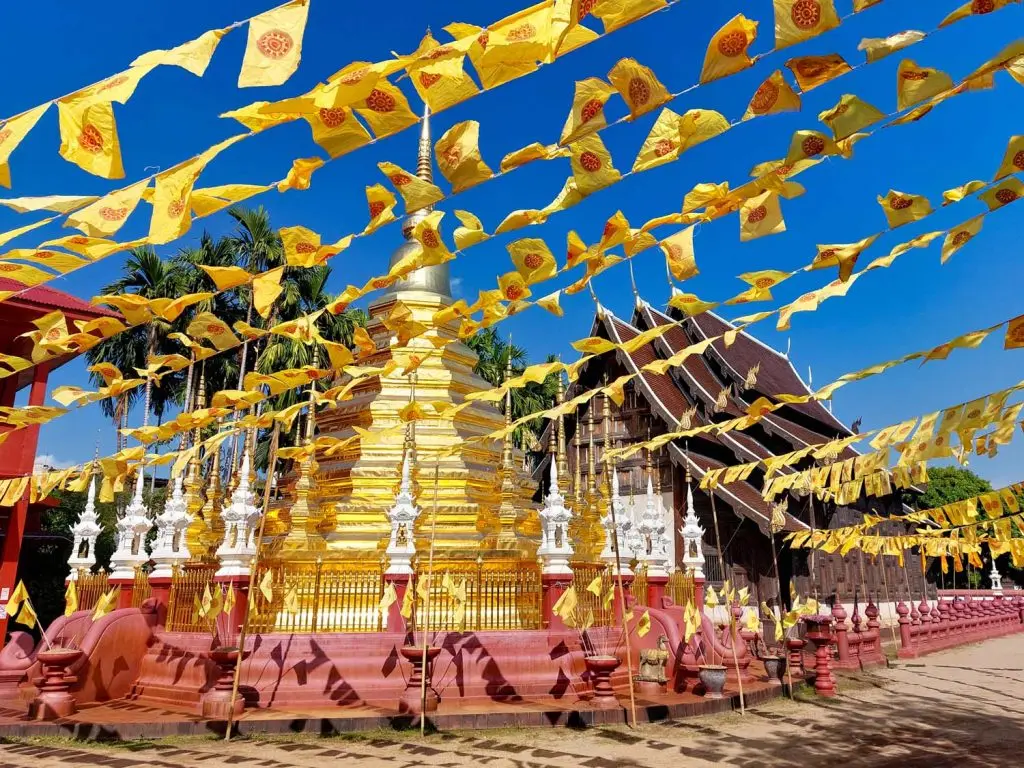
Chiang Mai, the former capital of the Lanna Kingdom and now a modern and cosmopolitan city, is one of Thailand's most romantic destinations. Known as the "Rose of the North," it offers ideal conditions for a diverse, active, and exciting holiday, especially for couples.
Travel journalist Michael Cullen reveals his best tips for couples in Chiang Mai.
Its lush green fields, majestic mountains, gently cascading waterfalls, ancient temples, excellent cuisine, elegant bars, tranquil spas, numerous boutiques, and inspiring galleries all contribute to a romantic atmosphere. Chiang Mai offers couples countless opportunities to spend quality time together, create unforgettable memories, discover new places, share new experiences, and learn new things together!
Read on and be inspired and get ideas for an unforgettable visit.
Lanna's backstory
Before we delve into Chiang Mai and its unique features, let's take a look at its history. Chiang Mai (literally "New City") lies in a wide valley on the banks of the Ping River at the foot of Doi Suthep (Suthep Mountain). Construction of the city began in 1296. It was surrounded by thick brick walls and a moat.
King Mengrai, who ruled the northern provinces from his previous capital, Chiang Rai, chose this new location for the capital of Lanna. It wasn't until the 1780s that the distinctive north became part of Siam (present-day Thailand). Despite this assimilation, Lanna history, culture, art, crafts, and cuisine remain ever-present. The interactive and informative Arts and Culture Centre of Chiang Mai, located just behind the Three Kings Monument in the heart of the Old City, is the perfect place to delve deeper into the history and development of the Lanna kingdom.
Another aspect of northern Thailand's history is its hill tribes. The descendants of nomadic migrants from Tibet, China, and Laos—the Lisu, Lahu, Akha, Hmong, Karen, and Mien tribes—have long called the winding green mountains along the northern border with Myanmar (Burma) their home.
Highlights of Chiang Mai
How do you prioritize the highlights of Chiang Mai to make your visit unforgettable, given the sheer number of options? Here are some suggestions across different categories to help you plan your romantic getaway.
temple
Buddhism is an integral part of Thai life, so a basic understanding of it can contribute to a deeper insight into life in the "Land of Smiles." Temples are an excellent starting point, and there are around 300 "wats" in the greater Chiang Mai area. Their distinctive architectural styles are richly decorated and often adorned with beautiful murals depicting scenes from the life of Buddha.
Located in the heart of the old city, Wat Chedi Luang is an excellent example of this. Its massive brick stupa stands 80 meters tall and, when it was built in the 15th century, was the tallest building in the Lanna Kingdom. This temple once housed one of Thailand's most sacred Buddhist statues, the Emerald Buddha, which is now located in the Grand Palace in Bangkok.
Ten more historic temples are located within a square kilometer of Wat Chedi Luang, including the impressive Wat Phra Singh, dating back to 1345. Here stands Phra Phutthasihing, Chiang Mai's most sacred Buddha statue, which is carried through the city in a procession during the Songkran festival (Thai New Year). According to tradition, locals bathe the statue with fragrant water to bring good fortune.
A few hours spent wandering through Chiang Mai's central temples offer insights into the city's history (and present-day life). Particularly fascinating at Wat Chedi Luang are the "monk talks," where visitors have the opportunity to exchange thoughts with monks about life—their own and others'. It's easy to get tired of temples, so it's recommended to choose a few, take your time, absorb the details, and observe the rituals of the offerings. Please be mindful of the dress code and show respect; after all, this is part of the overall experience.
Markets
Markets have long been an integral part of daily life in many cultures worldwide, and this is also true for Thailand today. Here are a few that are worth visiting.
Warorot Market is the largest market in the north, offering fresh fruit, vegetables, meat, canned goods, ready-made meals, and much more. Located just outside the Old City on the banks of the Ping River, it's the perfect place to see where locals shop, work, and eat. On the river side of the market is the flower market, a delight with its vibrant colors and intoxicating fragrances. Across the market hall, the alleys and paths reveal local produce and handicrafts made by the Hmong (hill people). Beyond the river, the streets bordering Warorot Market seamlessly merge into Chiang Mai's Chinatown – yet another reason to explore this district.
The Wua Lai Market (Saturday Market) is located opposite the Chiang Mai Gate and stretches along Wua Lai Street. Every Saturday from 4:00 PM, you can browse the wares at your leisure, haggle with the vendors, and stroll around at a relaxed pace. Before sunset, visit Wat Sri Suphan (Silver Temple) to admire its intricate decorations and catch the soft late afternoon light on its shimmering facade. Wua Lai Street is also known as "Silver Street" due to its silversmiths, who offer a wide variety of original jewelry made from silver, copper, and other materials. Here you'll find wonderful gift ideas for yourself or your loved ones.
From Tha Phae Gate, the Sunday market (also known as the pedestrian zone) stretches for about a kilometer along Ratchadamnoen Street in the heart of the old town. This popular market offers northern Thai handicrafts and delicious Thai specialties. Numerous vendors produce and sell their goods directly on site. Open every Sunday from 4:00 PM.
Culinary delights
Among the most popular northern Thai dishes that you absolutely must try are Gaeng Hung Lay curry, Sai Oua sausage, Nam Prik Noom Kab Moo (green chili dip with pork crackling), the noodle and pork dish Kanom Jeen Nam Ngiew, and Khao Soi, arguably the most famous dish in northern Thai cuisine. This coconut-based curry broth consists of egg noodles and chicken thighs (or beef) topped with a nest of crispy fried noodles. Many restaurants, from casual to fine dining, offer variations of these and other northern Thai specialties for you to sample.
With so many restaurants to choose from in Chiang Mai, it's difficult to make specific recommendations. The choice depends on your location, dietary needs, and budget. However, three restaurants that consistently impress are: The House by Ginger for rustic Thai cuisine in a beautiful setting in the Old City; RedBox for a special lunch or dinner near Nimman; and the innovative Blackitch for modern Asian cuisine at Nimman Lane 7.
The Michelin Guide to Thailand is a reliable source for restaurant recommendations. And no, Michelin Guides aren't limited to expensive gourmet restaurants. In fact, twenty of the sixty restaurants listed in the Michelin Guide for Chiang Mai specialize in street food and northern Thai cuisine. Many offer main courses for under 100 THB (approx. 4 AUD). An indispensable reference book!
Coffee – Thailand is among the world's 20 largest coffee producers, although commercial cultivation of the sought-after Arabica beans only began in the 1970s, and the country became an exporter in 1976. The good news for coffee lovers: Chiang Mai's coffee culture is vibrant and easily accessible. Beans from the surrounding mountains go directly to the city's trendy cafes.
Coffee lovers, especially those visiting the popular Nimman region, are spoiled for choice. Among the standouts are Nine One Coffee, Ristr8to, and Roast8ry, with their bustling cafes and separate roasteries. Akha Ama is a socially responsible cooperative that supports the Akha hill tribes in the north in the cultivation and distribution of their coffee, ensuring that the full value of their labor goes to them. Of the three cafes in Chiang Mai, Akha Ama La Fattoria, located in the heart of the old city, is the easiest to find.
Bars – if you appreciate talented bartenders, sophisticated cocktails and cool beats in the right atmosphere, you should definitely visit these three insider tips: the Caravan Bar in the trendy Nimman's Lane 9, The White Rabbit, a hidden speakeasy bar in the old town not far from Chang Phuak Gate, and Looper & Co., an espresso bar by day and cocktail bar by night, in an industrial grunge-style alley on Ratchawong Road by the Ping River.
Shopping centers
Silverware, textiles such as silk, ceramics, lacquerware, and wood carvings – from delicate to imposing and antique – are typical products of the north. Whether visitors are looking for unforgettable souvenirs, unusual household goods, special fabrics for a truly unique gift, or one-of-a-kind Asian antiques – the region around Chiang Mai has something to offer everyone.
Kalm Village, located in Chiang Mai's Old City, opened in May 2021 and comprises four interconnected buildings, each with its own architectural story, surrounding a large courtyard. It showcases fascinating tales of Thai craftsmanship through a permanent collection of basketry, ceramics, textiles, and jewelry, as well as a variety of arts and crafts workshops and exhibitions. But that's not all. The inviting café, library, country-style restaurant with delicious lunch menus, and concept stores incorporate beautiful textiles into clothing and home accessories. This hub of Thai creativity is well worth a visit.
Charoenrat Road, with its boutique hotels and riverside restaurants in the Wat Ket Karam district, is a must-see. Here you'll find handcrafted designer items, textiles, clothing, antiques, homeware, decorations, art, and souvenirs, many featuring hill tribe motifs. Visit Oriental Textiles, Vila Cini, the Healing Family Foundation, and the Elephant Parade House. The Woo Cafe & Gallery is an excellent choice for lunch or a refreshing drink. Charoenrat Road is directly opposite Warorot Market and easily accessible via a pedestrian bridge.
One Nimman is located at the beginning of Nimmanhaeminda Road and is an architectural highlight at the entrance to the trendy Nimman district in Chiang Mai. The striking clock tower at the front and the central open-air piazza, which regularly hosts live performances and small markets, make an excellent first impression. The magnificent gallery with its domed glass roof, shops, cafes, and restaurants is reminiscent of Florence or a similar city.
The San Kampang region lies about 15 km east of Chiang Mai's city center. Here you'll find the Bo Sang Umbrella Village, where traditional bamboo and paper umbrellas are handcrafted. The two-day Umbrella Festival in January is a colorful and joyous spectacle. Those with an interest in home decor and culinary delights should definitely visit the impressive showrooms of the Prempracha Collection near the Umbrella Village. This almost warehouse-sized shop houses exquisite, locally crafted stoneware ceramics – a true crowd-pleaser.
The Hang Dong region, located just 15 km southwest of Chiang Mai's city center, is the place to find exquisite Thai furniture. In the village of Baan Tawai, all kinds of wooden furniture are crafted, including the famous rattan pieces. Alternatively, visit Hang Dong's sprawling two-hectare Golden Triangle, a collection of buildings arranged around courtyards and shaded pathways. This is arguably Chiang Mai's largest hub for fine antique furniture from Thailand, Myanmar, China, India, and Pakistan.
For romantic pampering, relaxation, and rejuvenation, Chiang Mai offers some of Thailand's best spas, many with Lanna influences. Your hotel may have its own spa, but here are a few alternatives to consider. Lila Thai Massage has two conveniently located studios in the Old City with a wide range of treatments and is our go-to choice when we need a massage. Oasis Spas operates day spas in the Old City and Nimman, both in impressive buildings, and is recommended if you're looking for even more luxurious and exclusive treatments.
Day trips and excursions in Chiang Mai
Escape the hustle and bustle of Chiang Mai. Discover nature parks, waterfalls, botanical gardens, magnificent temples like Wat Phra That Doi Suthep, royal palaces, hill tribes, tea plantations, and much more – including Thailand's highest mountain, Doi Inthanon (2,565 meters). Embark on multi-day treks, zip-line through a gibbon forest, or enjoy a hot air balloon ride at dawn. The choice is vast!
Here are some recommendations that we find compelling. While they may not necessarily conform to the norm, they will allow you to create special memories together.
In northern Thailand, you'll find numerous elephant camps offering a variety of experiences. However, the Elephant Nature Park is a leader in this field, thanks to its ethical treatment of rescued elephants. Day trips and overnight stays, including round-trip transportation, are available. Alternatively, you can volunteer for a week and live on-site to experience the world of elephants up close.
Just a few kilometers from the elephant park lies Araksa, an organic tea plantation where Assam tea is grown and award-winning teas are produced. Join the interactive tour with tasting and afterwards enjoy a light meal in this idyllic setting.
Imagine driving a tuk-tuk and discovering Mae Hong Son, one of Northern Thailand's less-visited regions. Yes, you drive (or are driven) your own custom-built tuk-tuk on our 1, 3, 5, 7, or 11-day all-inclusive guided tours. This beautiful province has so much to offer: majestic mountains, dense forests, rivers, hilltop villages, fascinating temples, delicious food, and countless activities for active travelers. With Tuk Tuk Club tours, you'll experience this part of Northern Thailand in an unforgettable and authentically Thai way – by tuk-tuk!
Here too, there is a wide selection, from family-run guesthouses in the alleys of the old town to a plethora of hostels and hotels, from simple to luxurious, from historic to ultramodern.
Here are a few suggestions, starting with the Away Chiang Mai Resort – a vegan boutique resort with a central pool, just a few hundred meters from the Tha Phae Gate of the Old City. In the heart of the Old City lies Tamarind Village with its ancient trees and exquisite Lanna architecture – an oasis of tranquility amidst the hustle and bustle. Or how about an exclusive 5-star stay overlooking the Ping River? Then the Anantara Chiang Mai Resort is just the place for you.
For a romantic getaway, Onsen @ Moncham in the hills behind Chiang Mai is ideal. It's a stylish yet authentic interpretation of a Japanese mountain ryokan, complete with onsen hot spring baths. The hotel is located in the Mae Rim district. Nearby attractions include the Mae Sa Waterfalls, the Queen Sirikit Botanic Garden, and the Canopy Skywalk.
Chiang Mai and the surrounding region offer so much for all kinds of visitors. We've compiled activities and experiences that we believe will guarantee an unforgettable couples' holiday in the "Rose of the North." We hope you have a wonderful time!
Text and images by Michael Cullen.




Community
Comments 0
Start the conversation.