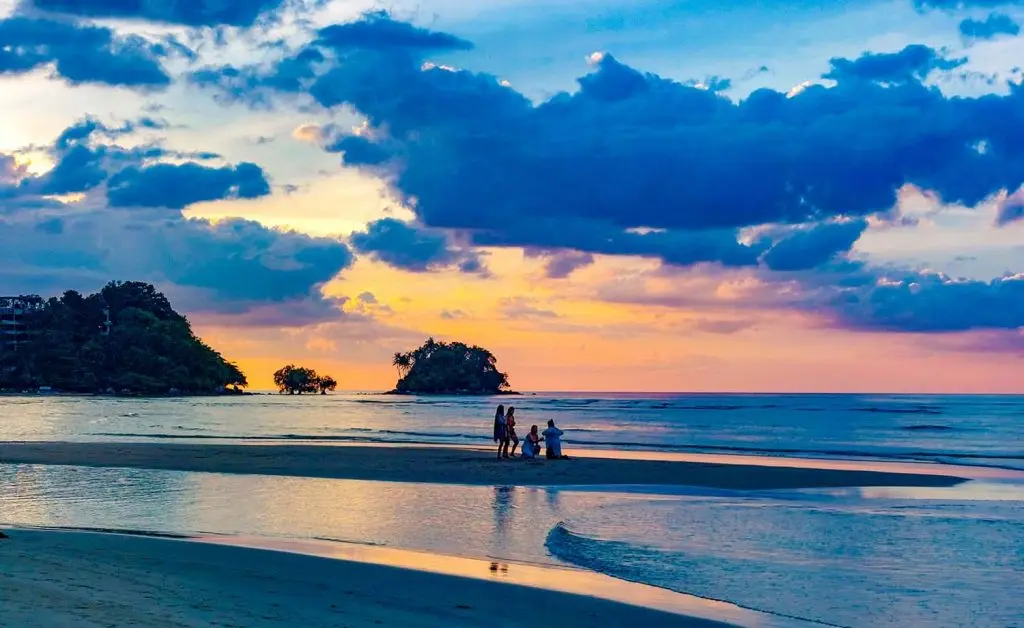
Phuket has reopened and warmly welcomes travelers. Australian travel journalist Michael Cullen reports on the pearl of the Andaman Sea.
US News recently ranked Phuket eighth in its list of the "Best Travel Destinations Worldwide." The outstanding sights, picturesque scenery, gastronomy, and culture were particularly praised. Further advantages included the diverse range of options for every budget – from accommodations and excursions to spa and wellness treatments.
Add to that the hospitable locals, stunning beaches, relaxed tropical lifestyle, and easy access to the surrounding islands. Adventurous activities like jungle ziplining, excellent water sports, family-friendly water parks, and fantastic shopping – to name just a few attractions – complete the picture. Thanks to Phuket's international airport, Thailand's largest island is also easily accessible, often with direct flights from your home. That's a lot to take away.
A positive side effect of the two-year visitor hiatus is that the island's natural resources have been able to recover and regenerate. The forests, beaches, coral reefs, and marine and terrestrial fauna, which have always been part of its appeal, have flourished and are in better condition than they have been in a long time.
In the post-pandemic era, many travelers are looking for outdoor activities and less crowded places to protect themselves and their travel companions, and Phuket offers exactly that and much more.
So read on to find out why now is the perfect time to visit Phuket.
Phuket's beaches
Phuket boasts some of the most beautiful beaches in Thailand and perhaps even in all of Southeast Asia. The beaches on the west coast, in particular, are renowned for their breathtaking beauty, fantastic sand quality, clean, calm waters, and the opportunity to witness spectacular sunsets.
On the southern west coast, the expansive beaches of Kata and Karon, with their vast stretches of sand, invite visitors to enjoy relaxing, family-friendly holidays. Patong's famous 2.5 km long crescent beach continues to attract visitors with its water sports facilities and a selection of longtail and speedboats for day trips. The 2 km long, wide beach of Kamala, with its surf spots for beginners and advanced surfers, remains relatively uncrowded.
Surin, Bang Tao, Nai Thon, and Nai Yang, located further north on the west coast, offer beautiful sandy beaches and are less crowded. Nai Yang and the neighboring Sirinat National Park are ideal for those seeking plenty of space and wonderfully long, almost deserted beaches.
A wealth of history – Phuket Old Town
It wasn't until the mid-1970s that Phuket turned to tourism. The island boasts a history spanning over a thousand years, including its role as an important port on the trade route between Europe and Asia during the spice trade. Tin mining in the 19th century led to an influx of Chinese migrant workers, whose influence is still felt in Phuket today. More recently, rubber, coconut, pineapple, and palm oil plantations have also been actively cultivated.
Phuket's Old Town is an ideal starting point for learning more about the island's history. Magnificent historical buildings and museums offer fascinating insights, while photographers will be captivated by the restored Sino-colonial architecture of the commercial buildings. Most of the sights are located on Rassada, Thalang, Phang Nga, Dibuk, and Krabi streets, as well as the small alleyways (sois) that branch off from them. Stroll leisurely through the streets and discover the area and its treasures. Along the way, you'll find charming cafes, pretty boutiques, and authentic, traditional-style restaurants that invite you to linger and enjoy.
Be sure to visit the Thai Hua Museum on Krabi Road first to get an overview and immerse yourself in the history of tin mining on the island (it's much more interesting than you might think). Afterwards, you can explore Phuket Town. The museum offers a fantastic exhibition of the original buildings from the town center and a map for self-guided walking tours.
Be sure to visit the Walking Street Market on Sunday evenings. Located along Thalang Road, against the backdrop of restored, pastel-colored Sino-Portuguese houses, this market is definitely worth a visit. Stalls offering entertainment, food, drinks, and handcrafted items line the bustling pedestrian street. Boutiques, cafes, bars, and galleries in some of the buildings are also open. It's an ideal market to discover the diversity of Phuket's street food.
Encounters with wild animals
Thailand and other Southeast Asian countries have a long history of "domesticating" native animals, which were then used in various industries, including tourism, or illegally sold to collectors abroad. The Kingdom has now consciously distanced itself from this practice. Here are two recommendations for rescue and rehabilitation projects that will allow you to develop a positive connection with wildlife.
The Phuket Elephant Sanctuary is Phuket's most ethical elephant sanctuary in terms of the care and treatment of Thailand's beloved pachyderms. While elephant rides and bathing are not permitted, there are numerous opportunities to experience these rescued giants up close. The sanctuary's new 600-meter-long and 6-meter-high canopy walkway allows the elephants maximum freedom of movement. They can roam freely, forage, bathe, and interact in the jungle below. Visitors can observe the animals from above, at a safe and respectful distance, as they walk through the 12-hectare sanctuary on guided tours. Although there are a few other elephant parks on the island, if you want to be sure you are supporting the most ethical sanctuary, the Phuket Elephant Sanctuary is the one to choose.
The Gibbon Rehabilitation Project has successfully reintroduced 50 gibbons to the wild, to the same jungles where these primates were eradicated 40 years ago. Visitors of all ages can spend half a day as a "Gibbon Research Assistant," preparing nutritious food packets from banana leaves and delivering them to the remote feeding system. As the primates are being prepared for release, close contact is not possible. Visitors will hear their stories and learn to distinguish and understand their high-pitched calls and the meaning of their movements. Visits are by appointment only.
Temples and viewpoints
Buddhism is an integral part of Thai culture and the beliefs of its people. Here are two opportunities to gain a respectful insight into this aspect of Thai life.
The Great Buddha (Phra Phuttha Mingmongkhon Akenakkhiri) is a 45-meter-high seated Buddha statue clad in beautiful Burmese white jade marble. The sculpture sits atop a hill and is visible from many parts of the southern island. The view over Chalong Bay alone is worth the trip.
Wat Chalong (Wat Chaitararam) is the most revered and important temple in Phuket. Locals recount miracles that have occurred there, and it is known for its role in healing during the battles of Chinese secret societies in the late 19th century. The temple is located on the way to the Big Buddha, making it easy to visit both sites in one day.
With at least ten viewpoints offering stunning views of the island's beaches and towns, you can discover a new one every day. Some are more difficult to access than others and require some hiking or climbing.
Cape Prompthep at the southern tip is particularly popular, especially for its sunsets, and has a large car park. Just 1.5 km north, between Nai Harn and Prompthep, lies the Windmill Viewpoint, offering fantastic views to the west. Sunrise can also be enjoyed from there.
Panwa Viewpoint, also known as Khao Khad Views Tower, offers a 360° panoramic view of southern and eastern Phuket. This lesser-known viewpoint has ample parking and is located on the way to Cape Panwa. The climb up the stairs is somewhat strenuous, but well worth the effort.
Rang Hill is located northwest of Phuket Town and offers views of the town and the beach in the distance. Photographers should visit the hill in the early evening when the island lights begin to twinkle. Rang Hill is also an excellent spot for dinner on the open-air restaurant terraces with panoramic views of the town.
Island day trips from Phuket
Phang Nga Bay, with its limestone formations and islands, is a popular and easily accessible day trip destination from Phuket. Numerous tour operators offer excursions there. Ko Phi Phi, with its famous beach featured in the film of the same name, is also open, although access is restricted. Swimming is currently prohibited, so it's more of an opportunity for taking stunning photos than reenacting scenes from the movie.
For those who prefer something a little less well-known, Phuket's 32 smaller islands are worth considering, some of which are just a 15-minute boat ride away. Popular destinations include Koh Racha and Koh Hea (Coral Island), as well as Koh Maiton and Koh Khai. Excursions there offer swimming, snorkeling, and other water sports on idyllic beaches. Longtail boats, speedboats, and catamarans are available for day trips.
Koh Yao Yai and Koh Yao Noi are two larger, less-visited islands in the heart of Phang Nga Bay. They aren't typical tourist destinations, but offer a selection of family-run guesthouses and discreet luxury resorts. Experience island life with its inhabitants, who are characterized by subsistence farming, rice cultivation, rubber plantations, or fishing. Swim in hidden lagoons, marvel at the impressive limestone formations, watch hornbills, enjoy fresh seafood in charming beachfront restaurants, and take selfies on the powder-white sands of Laem Haad, featured in the Hollywood film "Mechanic 2."
Phuket's famous lobster farms lie between these two islands, and when the season is in full swing, a true culinary delight awaits. Asian Trails organized our day trip to Yao Yai and Yao Noi, and the opportunity to customize our day as part of this private tour was excellent. General day trips can also be easily booked; simply contact your hotel's excursion desk.
Feast in Phuket
Since 2015, Phuket has been recognized as a UNESCO Creative City of Gastronomy, making it the first city in Thailand to receive this honor. This distinction was largely due to Phuket's Baba cuisine, which celebrates the traditional cooking of the Baba-Peranakan people. These descendants of early Chinese settlers, primarily from Hokkien, migrated to Phuket, blended with the local population, and shaped the fusion of their cultural traditions and cuisines.
The renowned Blue Elephant restaurant offers Baba Peranakan cuisine and is an absolute must for an unforgettable culinary experience in Phuket. The classic Sino-colonial architecture of this restaurant in Phuket's Old Town is worth a visit in itself. In the on-site gift shop, lovers of Thai cuisine can purchase authentic curry pastes, sauces, and other high-quality ingredients to take home and continue their Thai culinary adventure.
Blue Elephant is also known for its cooking school, and what could be better than experiencing Thai cuisine firsthand? Our chefs' insights into the health and medicinal benefits of the fruits, vegetables, and herbs used added extra meaning to the dishes you prepared. At the end of the course, you even get to enjoy your own culinary creations.
Thai master chef Nooror is the heart and soul of the Blue Elephant. She is a leading advocate and promoter of Thai cuisine through her restaurants in Thailand (Phuket and Bangkok) and Europe (Copenhagen and Malta).
Another reliable way to discover Phuket's culinary scene is through the Michelin Guide Thailand. The 2022 edition lists 58 restaurants, from simple Thai cafes to the luxurious PRU – Phuket's only Michelin-starred restaurant. All were deemed worthy of inclusion by the guide's judges.
Take, for example, Roti Taew Nam, a popular breakfast spot in Phuket's Old Town. Sit on simple stools at a table on the sidewalk and watch as roti is rolled, grilled over charcoal, and served with eggs or plantains—or even on its own with homemade curry. Let the Michelin recommendations inspire your culinary exploration of Phuket and surprise both your taste buds and your wallet.
What are you waiting for?
Now is the perfect time to discover the reopened and welcoming Phuket and all its facets. We've only given you a small taste of what awaits you. We look forward to seeing you soon!
About Michael Cullen
Michael is Australian and now lives in Thailand. As a freelance writer and passionate traveler, he loves discovering new places, immersing himself in their history, and experiencing the local cuisine and culture on his travels.
Here you can find his latest articles: https://www.clippings.me/michaelcullen
Check out what he posts on social media: www.instagram.com/travellingaussiesinasia/




Community
Comments 0
Start the conversation.