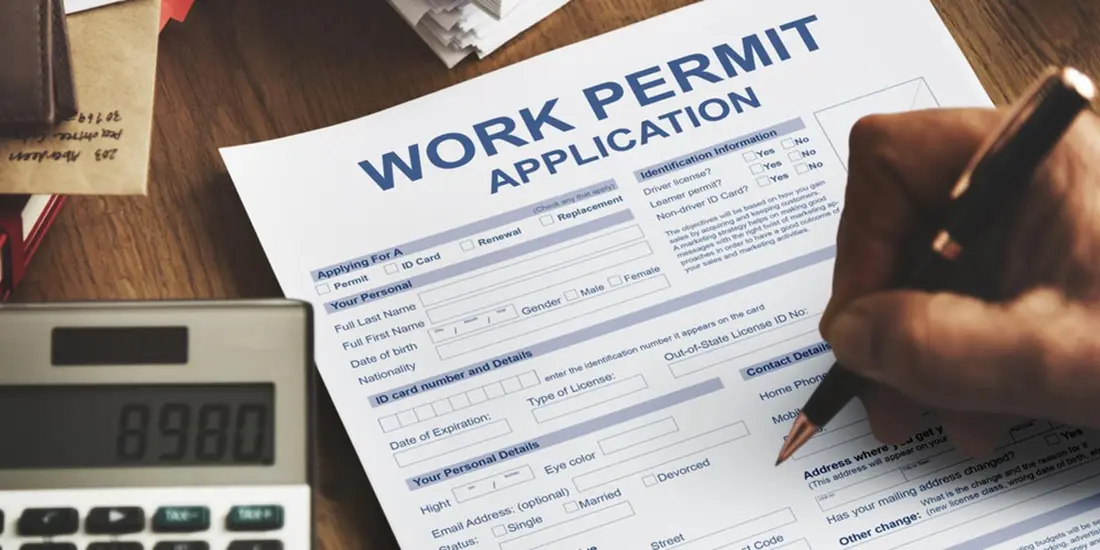
For many foreigners, Thailand is a dream country to live in, and working or starting a business in Thailand is a popular and feasible option. All foreigners working in Thailand need a work permit. Although the application process is somewhat complex, having a work permit allows foreigners to exercise their rights and benefits as employees in Thailand. Furthermore, working in Thailand without a work permit is subject to legal penalties.
Before foreigners decide to relocate to Thailand for work, they should learn the basic information, qualifications, and necessary documents for applying for work permits and work visas. This ensures a smooth and legal stay in Thailand. This guide to applying for work permits in Thailand will explain the process and important topics to be aware of.
What is the difference between a work visa and a work permit?
In some countries, work visas and work permits may be the same thing, but this is not the case in Thailand. Foreigners interested in working in Thailand may be confused and mistakenly believe that once they receive a work visa, they can start working in Thailand immediately without any further action. However, this is an incorrect understanding. To work legally in the country, all foreigners must have both a work visa and a work permit, and these two are not interchangeable.
Types of work visas
There are several types of temporary visas that foreigners can apply for to work. Foreigners must choose a visa that is appropriate to their conditions and qualifications, as well as the type of work they intend to do in Thailand. In addition, foreigners should study the Foreign Business Act, which specifies the list of business activities that cannot be undertaken by foreigners, before starting any work or business in Thailand.
Below is a description of each type of temporary residence visa that foreigners can apply for.
Temporary Residence Visa Type B (for work and business)
This type of visa is the most popular work and business visa for foreigners. Foreigners must apply for this visa in their home country, and it generally allows them to stay in Thailand for 90 days. After obtaining a work permit within those 90 days, they can apply for an extension to their visa for one year in Thailand, with assistance from their employing company.
BA Temporary Residence Visa (for approved businesses)
Generally, this type of visa is issued to foreigners investing in businesses in Thailand. Related companies in Thailand can assist foreign investors in applying for the visa. The visa is valid for one year. However, this type of visa is not widely issued and is subject to the discretion of the embassy or consular officer in charge.
IB temporary residence visa (for investment and business)
This type of visa is for foreigners who will come to work or participate in projects promoted by the Board of Investment (BOI), which are projects approved by the BOI as contributing to the benefit of Thailand.
Temporary Residence Visa Type M (for media personnel)
The M temporary residence visa is issued to foreigners traveling to Thailand to work in media-related fields such as television, film, or online media. Depending on the type of media and the work, additional approvals from other relevant agencies may be required.
Temporary Residence Visa Type O (for family members/dependents)
If a foreigner holding a work visa wishes to have their spouse or family members accompany them to Thailand, these dependents must apply for a Type O temporary residence visa. This type of visa is also issued to foreigners coming to Thailand to volunteer, those married to Thai citizens, and those wishing to retire in Thailand.
Smart Visa
The Smart Visa is a new type of visa issued to skilled and experienced foreign professionals as specified, as well as investors, startup entrepreneurs, senior executives, and family members of Smart Visa holders. These professionals must work in targeted industries such as biotechnology, smart electronics, biochemistry, and others.
Those who receive a Smart Visa will be able to stay in Thailand for 4 years and enjoy various benefits, including exemption from work permit requirements.
Once the appropriate visa has been obtained, the next step is for the foreign national to apply for a work permit with the assistance of the employing company. The foreign national must have a work permit before commencing any work.
Requirements for applying for a work permit.
Foreign nationals interested in working in Thailand should be aware that not all companies or organizations can process work permit applications for foreign employees. This is because both the company and the foreign national must meet specific legal requirements for obtaining a work permit.
The general characteristics for a company are as follows:
In the case of companies promoted by the Board of Investment (BOI), certain qualifications may be exempted. However, the company must still notify the BOI explaining the reasons and necessity for hiring foreign employees.
Foreign nationals applying for work permits must also meet the qualifications specified by law, which include:
Documents required to apply for a work permit.
In most cases, the employing company will assist in preparing and submitting the work permit application, which can be done before or after the foreigner arrives in Thailand. However, the foreigner must be present in person on the day the work permit is collected from the Ministry of Labour.
Below is a list of required documents for both companies and foreign individuals.
Documents from foreign employees:
Copies of all original documents must be certified. Furthermore, some documents may require translation into Thai, especially those originally in languages other than English. Therefore, both the company and foreign employees should prepare these documents in advance.
Work permit application process
Once all necessary documents are prepared, the foreign employee or the employing company must apply for a work permit at the Ministry of Labour. If the company is promoted by the Board of Investment (BOI), notification must be submitted to the BOI beforehand. Work permits will then be issued through the One Stop Service center.
Step 1: Apply for the appropriate temporary residence visa.
As mentioned earlier, to obtain a work permit, foreigners must have a work visa or temporary residence visa to work in Thailand. This visa can be applied for at a Thai embassy or consulate abroad. If a foreigner is in Thailand on a tourist visa, they must change their visa to a temporary residence visa. This type of visa is valid for 90 days and can be renewed after the work permit is obtained.
The documents required for a visa may vary depending on the requirements of the embassy or consulate in each country. However, common documents include:
Step 2: Applying for a work permit.
Work permit applications should be completed within 90 days before the foreigner's temporary residence visa expires. Work permits are issued to foreigners by the Ministry of Labour, and both the employing company and the foreign national must meet the qualifications specified by the Ministry of Labour.
For work permit applications that meet certain eligibility requirements, or applications submitted under a company supported by the BOI, relevant parties can submit documents for processing within one day at the One Stop Service Center.
Step 3: Work Permit Approval
Once all documents have been submitted, the applicant will receive a confirmation document specifying the date to collect the work permit. On the day of collection, the foreign national must be present in person with their original passport to have the permit stamped by an official from the Ministry of Labour.
The approval process takes 7-10 business days if the documents are submitted in Bangkok, but if processed in Phuket, it may take approximately 2 months.
Work permits are valid for a maximum of one year and must be renewed if the foreigner wishes to continue working in Thailand. However, the conditions may differ for companies supported by the Board of Investment (BOI).
After obtaining a work permit, foreign employees must apply to extend their temporary residence visa from 90 days to one year.
Limitations and responsibilities of having a work permit.
Foreign nationals holding work permits are only permitted to work for the company and in the duties specified in their permits. Any work outside of these categories is considered an offense and is subject to penalties such as fines and imprisonment. Furthermore, to maintain their work permit until its expiration, foreign nationals have the following obligations:
Filing personal income tax.
Foreign employees are required to obtain a tax identification number from the Revenue Department. This process is relatively simple and takes only one day if all documents are complete and correct. Once a tax identification number is obtained, foreign employees can file their annual income tax return.
90-day reporting
All foreigners residing in Thailand for extended periods are required to report their presence and current address in Thailand to the Immigration Office every 90 days. This can be done in person, by mail, or by authorizing an agent to act on their behalf.
Applying for permission to re-enter Thailand.
If a foreigner holds a single-entry visa and wishes to leave Thailand, they must first apply for re-entry permission. This is because the visa is directly related to the work permit; therefore, if the visa is revoked upon departure, it will affect the work permit. Applications for re-entry, whether for a single entry or multiple entries, can be submitted at the Immigration Office or at immigration service points at airports.
Cancellation, modification, or renewal of a work permit.
Cancellation of work permit
Upon termination of an employment contract, the employing company must report the termination to the Ministry of Labour so that the work permit and visa of the foreign national can be revoked. Generally, foreign nationals can request to extend their stay in Thailand for another 7 days after their work permit and visa have been revoked.
Changing jobs
If a foreigner wishes to change jobs while in Thailand, they must agree with the new employer on a termination date or the date their work permit will be revoked. Simultaneously, the new employer must prepare the necessary documents for applying for a new work permit and an extension of stay in Thailand for the foreigner. If the permit to stay in Thailand expires before the documents are submitted to the Immigration Office, the foreigner will have to leave Thailand to apply for a new work visa and work permit.
Renewing a work permit.
Work permits must be renewed before the expiry date indicated on the permit. Both the foreign national and the employing company must have the foreign national's visa renewed beforehand. The documents required for renewal are the same as those used initially, provided there are no changes to the type of work performed.
fee
Fees for a Type B temporary residence visa (for work and business):
Fees for work permits:
Applying for work visas and work permits requires thorough preparation and detailed procedures to ensure a smooth start to your work or business in Thailand. Legal experts can simplify these processes and provide expert advice at every step. Please contact us for more information.



Community
Comments 0
Start the conversation.