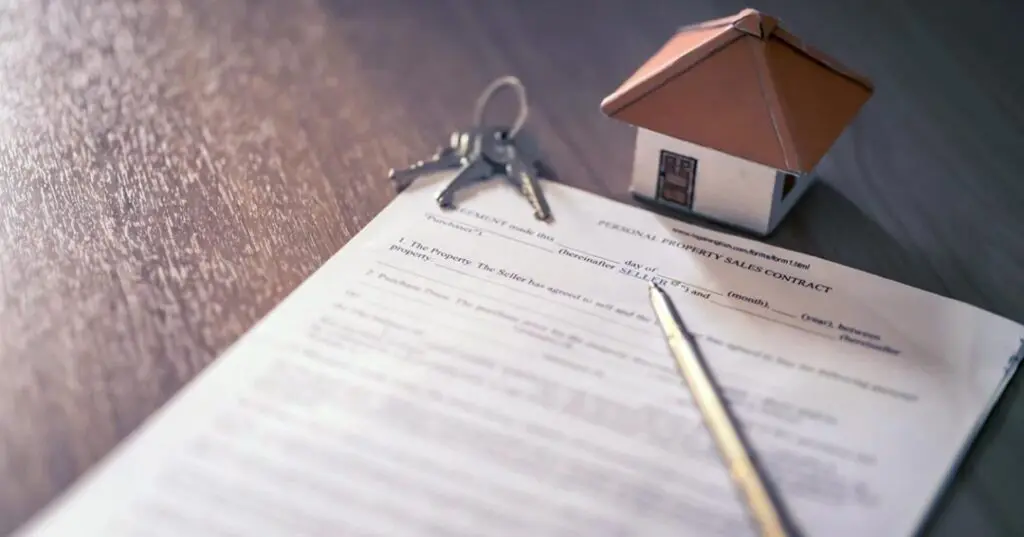
Owning your own home is a dream for many. However, buying land involves adhering to numerous rules and regulations. The applicable laws vary from country to country and depend on local norms, culture, and customs. Foreigners wishing to purchase land in Thailand must pay customs duties, comply with laws, and pay taxes. Registering a property in Thailand is a complex process encompassing many aspects.
Land division
In Thailand, a specific department is responsible for all real estate transactions, including issuing title deeds and handling all matters related to land topography. This department is the Land Registry.
The main task of the Land Authority is to regulate numerous laws, such as the Land Code, the Land Development Act, the Act on the Leasing of Real Estate for Commercial and Industrial Purposes, the Condominium Ownership Act, and the Act on Private Surveyors.
These offices are the hub for handling all important processes related to the transfer of ownership, the documentation process, and the transfer of ownership to the buyer, etc.
Documentation required for the transfer
In addition to the other legal provisions relating to inland transport, the most important documents required are:
Tabien Baan is a document that proves the house address and the registration of the resident.
Land ownership for foreigners
Foreigners are generally not permitted to purchase a house in Thailand (exceptions are possible). This is regulated by the Thai Land Law. However, foreigners are not prohibited from buying developed land or condominiums (these must be registered according to the Condominium Ownership Act).
To avoid all the associated costs and effort, most people lease the land. However, in Thailand, lease terms are limited to 30 years, which can be disadvantageous for the buyer as such an investment is not particularly profitable. As in many other Asian countries, leases with terms of up to 99 years are also common.
Taxes paid when purchasing land
In Thailand, many different taxes must be paid before purchasing land:
Transfer fee: 2% of the registered value of the property; payable to the land registry office on the day of the transfer of ownership.
Stamp duty: 0.5% of the assessed value of the property or the purchase price, whichever is higher.
Special Business Tax (SBT): 3.3% of the assessed value or the actual price of the property, whichever is higher; is only levied if the property is transferred within five years of its purchase (If the SBT is levied, no stamp duty is payable).
The transfer fee is paid by the buyer, the stamp duty and SBT are handled by the seller.
Exceptions for foreigners
Although purchasing land in Thailand is very difficult for foreigners, the government offers some exceptions that can make it easier for buyers. The plot size is limited to 1600 square meters, which is hardly sufficient for a family, but quite adequate for a couple who want to build their own house.
However, to reach this point, a whole series of rules must be followed before the goal is achieved.
Foreigners must comply with Section 96 of the Land Law in order to come ashore.
The 5-step process
There are certain things you should do to secure your desired country.
Such an investment can cause financial strain for the buyer due to the large sum involved and the associated risk. The government wants foreign investors to invest in bonds to stimulate the economy and benefit the country. The five-year term is binding; early withdrawal of the capital is not possible. Early withdrawal halts the transfer of ownership, rendering all previous efforts futile, and allows the Director General of the Land Registry to sell the land.
In light of the above facts, potential buyers interested in acquiring this property should consider the following: The investment exceeds one million US dollars, and such an amount could be invested more profitably elsewhere. Given the high risk, it is advisable to seek legal advice from a law firm or local consultant beforehand.
Consultation with a Thai real estate lawyer
Buying and transferring real estate are complex processes that require comprehensive knowledge of all relevant legal and non-legal aspects. Thorough research is essential before embarking on this path. Owning land is not an everyday matter, but a lifelong decision. Therefore, the process should be approached with great care and full commitment.
Siam Legal is a law firm offering a range of services to protect the rights and interests of foreigners wishing to purchase real estate in Thailand. Our firm provides a comprehensive suite of real estate-related services to best meet the needs of both our foreign and Thai clients. Should you have any questions or concerns regarding real estate, our team of Thai real estate lawyers invites you to contact us via the link below:

Community
Comments 0
Start the conversation.