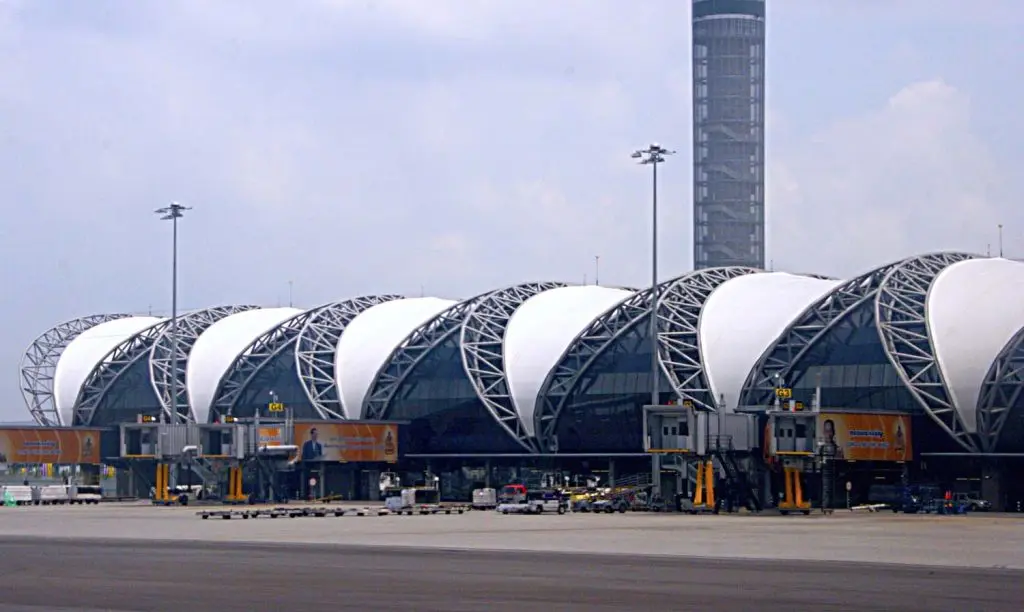
Travel writer John Borthwick gives his best tips for finding your way around Suvarnabhumi International Airport in Bangkok.
Suvarnabhumi Airport, also known as Bangkok Airport, is pronounced elegantly and in Thai: "Su-wanna-poom." Not phonetically like the clunky "Sue Varna Boomy." Among many expats, it's also known by the nickname "Swampy." Ironically, the airport was built on a former wetland, the so-called Cobra Swamp.
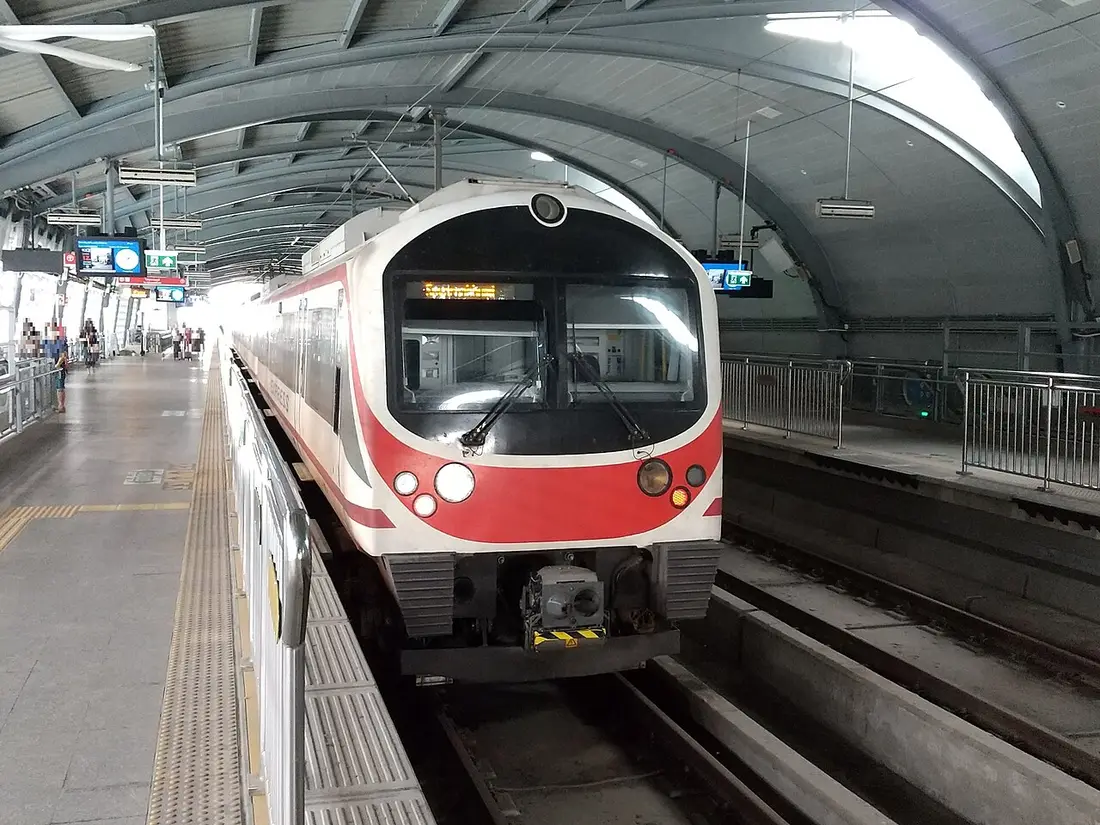
The well-planned and managed Suvarnabhumi Airport is located 35 km from Bangkok's city center. The easiest way to reach it is by taking the Airport Link train from Makkasan or Phaya Thai stations in the city center. The 26-minute journey costs 45 baht (approximately AUD 1.80) and takes you to the airport's lower level. Alternatively, you can take a taxi, which takes slightly longer or considerably longer depending on traffic, costs around 400 baht (approximately AUD 16), and takes you directly to the departures area.
Opened in 2006, the terminal is a long, low-rise building whose shape resembles angular waves. Rising above it is the world's tallest freestanding control tower, at 132 meters. The departure hall is located on the top of the airport's five levels and is an open-plan area with high ceilings. As Thailand's main hub for domestic and international flights, handling over 65 million passengers annually, Suvarnabhumi is very busy and sprawling, so plan your journey accordingly. The airport is wheelchair accessible, with electric shuttle vehicles (by arrangement), elevators to all levels, and accessible restrooms. Wearing a face mask is not required.
The check-in counters for the various airlines are spread across the entire departures level. English signs and information screens will guide you to the correct queue. Passenger flow is efficient, but Suvarnabhumi Airport is very large, so allow for longer walks throughout the departure process. If you have purchased duty-free goods and have the necessary VAT refund documentation, please have the items inspected (do not pack them in your checked baggage) and the forms certified while you are still in the public area, i.e., before security and passport control. The VAT processing counter is located on the far right of the departures hall.
After check-in, proceed to the security checkpoint on the mezzanine level and then to immigration, where you may experience longer waiting times. Tip: At the far right of the departure hall, there is a separate, discreet entrance for Buddhist monks, passengers with mobility impairments, and seniors over 70, including foreigners. Be sure to use this entrance if you are eligible. The security check is thorough and courteous and includes the usual checks such as unpacking laptops, removing belts, and adhering to the liquid restrictions. But that's not all: At the gate for flights to Australia (and selected other destinations), a final manual inspection of all passengers' hand luggage takes place later. Allow plenty of time for this as well.
After immigration, you descend a wide ramp. At the bottom of this ramp is a long, large, colorful sculpture from Hindu (not Buddhist) mythology, depicting the churning of the Ocean of Milk. Aside from this, there are few noteworthy Thai cultural features; shopping and drinking are the main attractions. If you tire of shopping, you can visit an airline lounge, if one is available. Free Wi-Fi is available in most areas.
In the public area (before security and immigration control) on level three, there are numerous restaurants, bars, and cafes. Similar establishments can also be found in the secure area (airside), offering Japanese, Western, Korean, and fast-food chains, as well as, of course, Thai cuisine.
After immigration, if you are entitled to a refund of import duties, you can present your documents at the VAT counter. The refund will be issued in Thai Baht, which you can then spend on other duty-free goods such as spirits, electronics, photographic equipment, cosmetics, and the usual brand-name clothing. However, prices are not particularly cheap. Several large stores offer Thai handicrafts, souvenirs, silk, and packaged food.
Luggage storage: If you are in transit or need to store luggage for any other reason, there are two luggage storage counters available on Levels 2 and 4. The fee is 100 THB per day per piece of luggage. On Level 2 (Arrivals), you will find bank counters, car rental agencies, ATMs, SIM card sales points, and hotel booking counters. If you are traveling from the airport to the city or other Thai cities, go to the ground floor for taxis and buses, or further down to the lower level for the Airport Link. This level also has currency exchange offices with likely the best exchange rates you will find, as well as overnight accommodation for short-term transfers. For more information, visit bangkokairport.net
Community
Comments 0
Start the conversation.