Guest author John Borthwick takes a look at developments in the field of sustainable and regenerative tourism in Thailand.
“I’m a coral gardener,” says Thai marine ecologist Khun Aorn, grinning as she surfaces from the Gulf of Thailand. We’re on Koh Talu Island in Prachuap Khiri Khan province, where she and dive instructor Khun Oh are running a coral regeneration project with local schoolchildren. We walk to a pontoon where the students are learning how to attach staghorn coral to a tubular frame, which is then lowered to the seabed. Over the next few months, these corals will bloom and form a new coral garden.
Aorn, 28, belongs to a generation of educated and dedicated young Thais who are both making a difference in nature conservation and building careers. For travelers interested in similar marine activities, various tour operators offer volunteer projects on islands like Koh Phangan and Koh Tao. Volunteers who work on coral reef or sea turtle projects for a fee typically work five days a week in a supervised team and should be certified scuba diver.
Thai beach resorts often support local sea turtle sanctuaries and involve guests who have ample financial resources but limited time. At Khao Lumpee-Haad Thaymuang National Park in Phang Nga province, guests of the nearby Aleenta Phuket Resort can sponsor turtles and release hatchlings. Further south along the Andaman coast, guests of the JW Marriott Resort in Phuket can observe the work of the Mai Khao Marine Turtle Foundation and, of course, make their own donations.
Thai National Parks
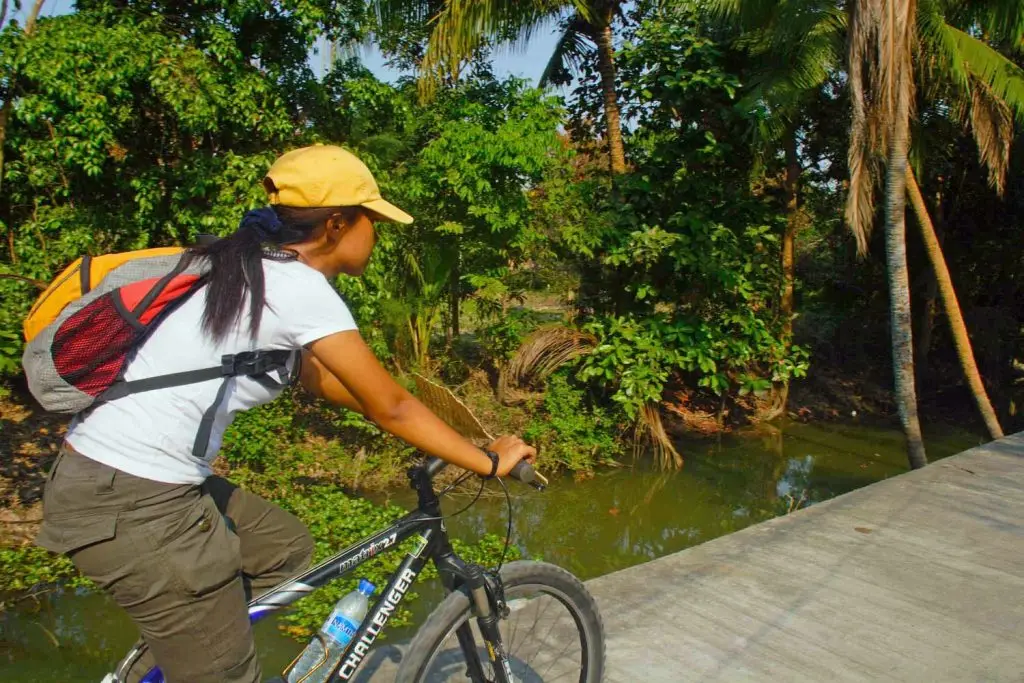
An often overlooked but crucial factor for sustainable tourism is Thailand's extensive network of national parks. Many offer guided tours with rangers, as well as affordable huts and campsites. Koh Tarutao, an island in Satun province on the southern Andaman coast, is a prime example. The park administration rents out simple bungalows and campsites, from which you can explore pristine beaches, the diverse birdlife of the jungle, and even monitor lizards on foot or by bicycle.
Tip: Book your accommodation in the national park early and avoid Thai national holidays if possible.
Khao Sok National Park, one of Thailand's unsung wonders, covers 740 square kilometers and encompasses rainforest, lakes, and limestone peaks. Located inland north of Phuket, it is part of Thailand's largest wilderness area. Visitors can stay overnight in eco-friendly pontoon boats, which serve as a base for jungle excursions to observe macaques and gibbons. A few hours of kayaking on the park's enchanting Cheow Lan Lake might just be one of the most relaxing experiences of your life.
The waterways of Phuket Marine National Park in the north of the island are home to a number of biodiverse mangrove forests. Exploring these by rented kayak is arguably the most beautiful and yet least-known adventure on this holiday island.
Elephants are important
In recent years, Thailand has seen a radical reevaluation of elephant riding and other exploitative practices. “Due to changing tourist attitudes, many of our previous offerings have changed,” says John Roberts, who managed the elephant camp at the Anantara Golden Triangle Resort for two decades. Elephant polo and riding are a thing of the past, replaced by activities such as the Golden Triangle Asian Elephant Foundation’s morning “walk with giants.”
The GTAE Foundation, which cares for 20 rescued elephants, offers a free program for volunteers who commit to a minimum two-week placement. Other ethically sound providers include the Elephant Sanctuary in Phuket, which offers half- and full-day programs for visitors starting at around US$125 per person, as well as shorter tours of its excellent 12-hectare enclosure for a dozen rescued elephants.
Feeding and caring for a rescued elephant costs around $400 per week, which is not exactly cheap. Frankly, when it comes to elephants (and many other sustainability projects), the most effective form of volunteering is a direct donation to a dedicated and efficient foundation.
More Samlors
Samlor drivers Khun Phrayad (52) and Khun Sa-At (64) are among the last of their kind. They zip through the streets of Chiang Mai in their three-wheeled bicycle taxis and still feel young, especially compared to their oldest colleague, who retired at 98. Samlors have been extinct nationwide for decades, replaced by tuk-tuks and taxis. Next time you see one, flag the driver down and enjoy a relaxing ride through the city. Yes, he works hard (but efficiently), and you're not taking advantage of him. On the contrary, you'll be getting a glimpse into Thai community history and directly supporting a family's livelihood. And of course, tip generously.
The first resort
When searching for accommodation, you should first check whether your potential hotel or resort is doing more than just superficial eco-initiatives. Do they avoid single-use plastics (especially water bottles)? Are cardboard, glass, and aluminum collected and recycled separately? Have they replaced plastic straws with paper ones? And so on, from composting organic waste to using LED lighting throughout the building. Some do this, but many do not.
A tip that always brings joy
Tipping is customary in Thailand. Well-meaning travelers encounter a large, often unseen community daily – waiters, drivers, guides, street vendors, and many others who make our travels and enjoyment possible. They often belong to Thailand's large informal sector and have suffered greatly during the Covid-19 pandemic, which devastated their livelihoods. The most effective and direct way for travelers to support this vital community is by using their services and giving them a proper tip.
Random acts of reasonable behavior
When buying souvenirs, always check whether the items were made locally and not in a distant foreign factory. Be sure to turn off the air conditioning when you leave your hotel room. Do not buy flowers or other items from child traffickers – you are not supporting the local community, but rather exploiting children.
Continue to the information
Explore these sustainable resources in more detail.
Wildlife
www.maikhaomarineturtlefoundation.org
www.phuketelephantsanctuary.org
Volunteering
www.bangkokcommunityhelp.com
www.volunteerthailand.org
www.wildlifevolunteer.org
www.responsibletravel.com
Group tours
www.handsacrossthewater.org.au
Accommodation
www.thailandnationalparks.com
www.minorhotels.com www.homestay.com




Community
Comments 0
Start the conversation.