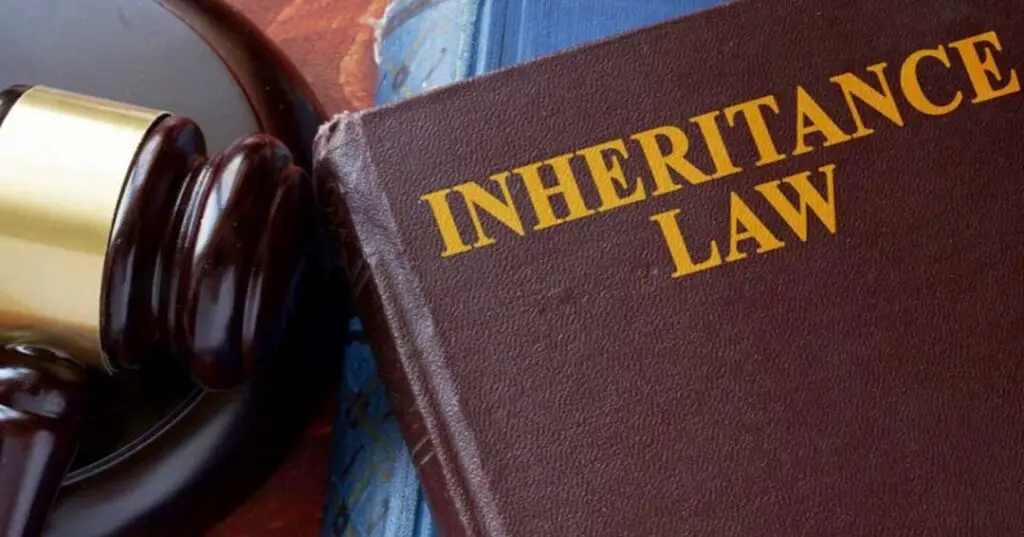
If your parents spent their retirement in Thailand and passed away there, settling their estate and securing your inheritance can be complicated, depending on whether a will exists. Under Thai inheritance law, the estate is automatically divided if no will exists. Even with a foreign will, transferring substantial or real estate assets to Thailand requires court approval.
This article outlines the first steps you need to take when a relative passes away in Thailand, as well as the basics of Thai inheritance law and estate administration. This information will help you better prepare for this difficult situation and manage the estate, ensuring your rightful inheritance.
What happens if a foreigner dies in Thailand?
If your parent or another close relative was a foreign national living in Thailand and has passed away, you should first notify both the local Thai authorities and their home country's embassy. The embassy will issue a death certificate, inform your relatives of the death, and make the necessary arrangements for the funeral.
Once these urgent matters are settled, check if the deceased left a will in Thailand. If so, you can appoint an executor to distribute the assets according to the will's provisions. If there is no will, the estate will be automatically distributed according to Thai inheritance law (see below), unless you can convince the court to allow you to appoint an executor.
A foreign will is generally enforceable in Thailand, provided it does not violate Thai inheritance law. However, things become complicated with large, immovable assets such as real estate, businesses, cars, or substantial deposits in Thai banks. The transfer of these assets to the heirs requires government oversight and court orders.
In all these cases, especially when significant assets are involved, hiring a Thai inheritance lawyer ensures a smoother and faster resolution of this difficult situation.
What happens if a foreigner dies in Thailand without a will?
Thai inheritance law governs the distribution of a deceased person's assets when there is no will. The law divides each "legal heir" into six different classes, based on their relationship to the deceased:
If the deceased has descendants, i.e., spouse and children, their entire estate is divided among them. If there are no descendants, the entire estate is instead divided among the deceased's parents, and so on.
If there is no will, the court automatically divides and distributes the estate, regardless of the deceased's wishes. Therefore, if your parents die in Thailand without a will, their assets may not be distributed as you would like. Fortunately, you can contest this with the help of a lawyer and petition the court to appoint an executor of your choice to manage the estate.
When a foreigner dies in Thailand with a Thai or foreign will
Anyone, including foreigners, can make a legally valid will in Thailand. To avoid the automatic division of assets described above, individuals with assets in Thailand should consult a Thai lawyer to draft a will that reflects their wishes – even if a will already exists in their home country.
If your father or mother dies in Thailand and a Thai will exists, it will specify who can act as executor (see below) or has the right to appoint one. Anyone who is not a minor, legally incapacitated, or insolvent can act as executor. However, it is advisable to leave this complex task to a lawyer or estate manager.
Thai inheritance law and foreign court rulings
If the deceased left a will executed outside of Thailand, complications will still arise, but these should be easier to manage. You will still need to file an application with the Thai Probate Court to appoint an executor to distribute the assets in Thailand. However, your chances of approval are significantly higher. As mentioned previously, a foreign will alone does not allow for the transfer of real estate.
How does the probate process work in Thailand?
In order for you and other heirs to inherit your parents' assets, their estate must go through the Thai probate process. This requires the appointment of an executor and the filing of an application for a certificate of inheritance.
What is an executor?
An executor, also known as an estate administrator, is responsible for managing the assets of a deceased person and ensuring that they are correctly distributed and paid out to the rightful heirs. If the deceased left a will, it will usually name an executor who is then entrusted with settling the estate. If no executor is named in the will or if no will exists, the Thai court appoints an executor.
An executor is generally only needed if the estate consists of substantial bank balances, real estate, vehicles, land, and other assets subject to bank or Thai government oversight. If your father's or mother's estate consists solely of personal belongings (such as furniture and electronics), an executor is likely not required.
If no executor is named in the will and you want to ensure that your parents' assets are distributed according to their wishes and that you receive your rightful share, you should appoint an administrator of your choice. Your lawyer will help you draft an application that convincingly demonstrates why you should have the right to appoint this administrator.
What to do if a parent dies in Thailand
If you have lost a parent in Thailand, you should take the following steps to secure your inheritance:
Contact your embassy in Thailand.
Contact the embassy of your home country. They will inform your relatives of your parent's death and assist you with official matters, such as reporting the death to your home government and, if no burial or cremation is planned locally, arranging for the transport of the body.
Use the services of a bilingual Thai family lawyer.
Handling an estate on your own is often difficult and frustrating. Therefore, it is advisable to consult a bilingual Thai family lawyer to achieve the desired outcome. Thai inheritance lawyers simplify the probate process by:
Application for the appointment of an executor
Whether it's your lawyer, someone named in your parents' will, or another family member, you need a reliable person to properly manage the estate. If there is no will or no executor has been appointed, your lawyer can petition the court to appoint an executor of your choosing.
Make arrangements for the liquidation of the assets, if necessary.
If you cannot transfer land, buildings, vehicles, or other real estate, you must sell these assets. This is necessary if you are a foreigner, as certain assets in Thailand, such as land, cannot be inherited. Your lawyer can guide you through this process, which involves communicating with the authorities, and advise you on Thai tax and trust matters.
Experts in bilingual inheritance law in Thailand
Do you need expert support during this difficult time? Then contact the family law attorneys at Siam Legal. With over 20 years of experience in Thailand, our specialized inheritance lawyers have the necessary knowledge and expertise to resolve your case quickly and stress-free, ensuring your inheritance is secure.
Contact Siam Legal today, and we will help you resolve the matter, comply with your parents' wishes, and secure what is rightfully yours.
Estate and inheritance matters in Thailand: Frequently Asked Questions (FAQ)
What happens if a US citizen dies in Thailand?
When a US citizen dies in Thailand, their estate is subject to probate proceedings and, if there is no Thai will, is distributed according to Thai inheritance law.
You must also report the death to the nearest US embassy in Thailand. The embassy will issue you a consular death certificate for use abroad, which will include details of the person's death and their estate.
Can foreigners inherit land in Thailand?
Under Thai law, foreigners are not permitted to own land in Thailand, nor can they inherit it. If you are not a Thai citizen and would be next in line to inherit a property, you must sell it or transfer it to a Thai citizen. Otherwise, the Director General of the Thai Land Registry will be contacted, who will sell the land and retain 5% of the sale price (less taxes).
Who inherits the assets when someone dies in Thailand?
The entire estate passes to the legal heirs, whose order of priority is determined by their relationship to the deceased. Children and spouses take precedence; if there are no such persons, more distant relatives such as parents, siblings, grandparents, etc., inherit instead.
Are foreign wills valid in Thailand?
Most foreign wills are recognized under Thai probate law. However, complications can arise if certain provisions conflict with Thai inheritance law or if the deceased owned specific real estate. Wills written in other languages must be translated and legalized.


Community
Comments 0
Start the conversation.