Which meditation center in Thailand is right for you?
Each answer mentions four locations, each offering different experiences. Wat Pa Tam Wua, a forest monastery on the road from Pai to Mae Hong Son, welcomes visitors year-round in exchange for a donation, provides white clothing, and requests a three-day stay—ideal for a first spiritual retreat in Asia. Suan Mokkh, near Chaiya on the mainland of Surat Thani, hosts the country's famous ten-day silent retreat, starting on the first day of each month. Registration is done in person the day before and costs 2,000 baht (all inclusive).
Pa Pae, located in the hills between Chiang Mai and Pai, offers three-day, monk-led retreats on set dates for approximately 500 baht per day. Thai Plum Village in Khao Yai teaches the tradition of Thich Nhat Hanh in English and offers week-long retreats starting at around 7,000 baht, which also welcomes families. The Pai International Meditation Center offers a more comfortable option: seven nights in a treehouse by a lake with hot springs for 15,700–20,700 baht.
This guide covers costs, duration and travel to the individual courses, the daily schedule, the rules, and the shorter courses around Chiang Mai and the islands.
Where to stay before, after or during the retreat
Choose the region for your retreat, then your desired location, and search by your travel dates. Most retreats are booked directly. This search therefore includes the nights before and after the program (arriving at a monastery is early in the morning, so it's recommended to stay nearby the night before), as well as resort retreats offered by Booking.com. Filter for offers with free cancellation if your travel dates are not yet fixed.
Open Booking.com with your travel dates · also on Expedia · Trip.com
My selection in every price range in Pai
Key Facts (2026)
The cost is a donation, 500 Baht per day or 2000 Baht for ten days.
Wat Pa Tam Wua and Dipabhavan operate on a donation basis, with accommodation and meals included. Pa Pae suggests 500 baht per day. Suan Mokkh charges 2,000 baht for ten days. The mindfulness week at Thai Plum Village cost 7,000 baht in 2026. At the Pai International Meditation Center, seven nights cost 15,700 baht in the off-season and 20,700 baht from October to February.
The day begins at 4 or 5 am and ends around 10 pm.
In Tam Wua, meditation begins at 5 a.m., and lights out is at 10 p.m. In Suan Mokkh, the bell rings at 4 a.m., and lights out is at 9:30 a.m. In Plum Village, people wake up at 4 a.m., and silence is observed from 9 p.m. onward. The treehouse week in Pai is quieter, with the first meditation at 6 a.m. and the last session at 9 a.m.
Two meals, both before noon, except in Pai and Plum Village.
The forest monasteries follow the monastic rule: breakfast around 7 a.m., lunch around 11 or 12 p.m., no solid food until the following morning, and tea or a hot drink in the evening. A silent supper is served at 5:30 p.m. in Plum Village. In Pai, breakfast and lunch are provided, along with evening refreshments. All meals are vegetarian; however, meat dishes are also available.
Shoulders and knees covered; Tam Wua lends the white garments.
At every monastery, visitors are asked to wear modest, loose-fitting clothing that covers the upper body and knees. Wat Pa Tam Wua provides white robes. Suan Mokkh and Plum Village have strict dress codes; Pai and Pa Pae are less strict regarding color. For the north, a warmer layer is recommended from November to February.
Mobile phones are handed in at Suan Mokkh and stored elsewhere.
Suan Mokkh will collect mobile phones, tablets, and laptops for the ten-day retreat upon registration; nothing can be organized from there. Plum Village asks guests to remain at the monastery for the entire duration of the retreat. Tam Wua and Pa Pae are counting on your discipline. Please arrange visa extensions and phone calls home before your arrival.
There are three options: simply drop by, register in person, or book an appointment.
Bookings are not possible for Tam Wua (registration daily from 6:00 AM to 4:00 PM). Suan Mokkh only accepts registrations in person on the last day of the preceding month from 7:00 AM to 3:00 PM (registration on a first-come, first-served basis). Published dates and online registration forms are available for the monk talk courses in Pa Pae, Plum Village, Pai, and Wat Suan Dok.
The four that everyone mentions, and which one is yours?
Choose the location based on how much structure you desire, not on its popularity. A first retreat is usually more successful with a flexible schedule than with strict silence.
Wat Pa Tam Wua is a walk-in forest monastery.
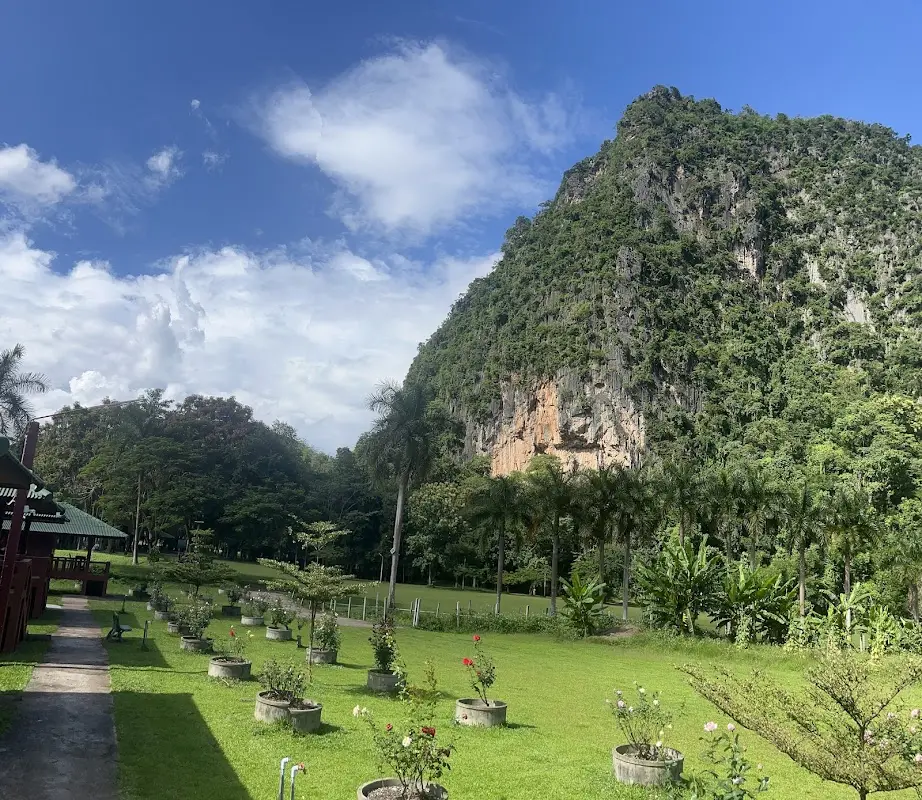
Wat Pa Tam Wua is nestled in a limestone valley on the road from Pai to Mae Hong Son, about an hour and a half's drive from Pai, and is the ideal starting point for a meditation retreat. Reservations are not required. You can arrive any day of the year between 6:00 and 16:00, check in, put on the provided white clothing, and follow the schedule for a minimum of three days and two nights, and a maximum of ten. Accommodation, bedding, white clothing, and two vegetarian meals are provided free of charge; a donation is appreciated. The Vipassana meditation practiced here is based on the Thai forest tradition and is taught in English every morning and afternoon. Following a Dharma talk, there are two 40-minute walking meditation sessions, 40-minute sitting meditation sessions, and 15-minute lying meditation sessions each day. Rice offerings are made to the monks at 6:30 and 10:30, and guests are welcome to participate. Silence is not enforced, making Wat Pa Tam Wua the gentlest of the four meditation centers. The location – Kutis nestled beneath karst rocks with gardens in between – contributes significantly to the pleasant atmosphere.
Suan Mokkh is the ten-day silence.
The International Dharma Hermitage in Suan Mokkh, founded by the reformer Buddhadasa Bhikkhu near Chaiya on the mainland of Surat Thani, is the ten-day silent retreat that everyone who talks about a retreat in Thailand is referring to. It takes place once a month, from the 1st to the 11th. Participation is only possible after personal registration on the last day of the preceding month between 7 a.m. and 3 p.m. There is no advance registration, no shortened version, and no late entry. During peak season, participants arrive on the day of registration. The practice is Anapanasati, mindfulness of the breath, with a fixed daily schedule from 4 a.m. to 9:30 p.m. For ten days, there is no speaking, reading, writing, or making music; cell phones and laptops are handed in; there are two vegetarian meals and a hot drink at 6 p.m.; each participant has a daily task; and the single rooms are furnished with a hard bed, a straw mat, and a wooden pillow, on which each participant writes afterward. The registration fee of 2,000 baht covers all costs. Chaiya is located on the southern railway line, about 50 km north of the city of Surat Thani, and the ferries to Samui and Phangan in Donsak are the next natural stop on the eleventh day.
Pa Pae organizes three-day retreats led by monks near Chiang Mai.
The Pa Pae Meditation Retreat is located in a bamboo forest in Mae Taeng, about an hour and a half's drive north of Chiang Mai on the way to Pai, and is ideal for travelers with only three days instead of ten. The structured retreat runs year-round on set dates (about two to four times a month during the cooler season) and can be booked via a simple online form. Arrival is in the afternoon before 5 pm. The daily schedule begins at 6 am with chanting and meditation, followed by breakfast at 7:30 am, a teaching session at 9:30 am, lunch at noon, afternoon meditation in nature, an hour of gardening at 4 pm, and an evening event from 6:30 pm to 8 pm. Bedtime is at 9 pm. The huts are simple and clean and are shared with people of the same gender. Hot showers are available nearby. Thai cuisine is served buffet-style, with two meals a day (no dinner). The suggested donation is 500 baht per day. A taxi or Grab taxi from Chiang Mai costs approximately 1,100–1,500 baht. Information on public minibuses can be found on the retreat's website. Flexible stays, where you can arrive on any day, are offered alongside the structured stays, and the neighboring iRETREAT offers a guided version with the same teachers.
Thai Plum Village offers mindfulness training in English, with a real week
Thai Plum Village is the Asian home of the Thich Nhat Hanh tradition. The monastery, which houses up to 160 monks and nuns, is located on the edge of Khao Yai National Park in Pak Chong, 240 km northeast of Bangkok. Here, mindfulness is the focus, not Vipassana. Walking meditation takes place at 5:30 a.m., and meals are eaten in silence, including a silent dinner at 5:30 p.m. Afternoons include work meditation, Dharma talks, and sessions in Vietnamese, English, and Thai. Participation is through a scheduled retreat. The monastery publishes its program a season in advance (one-week mindfulness retreats during the cooler months, a New Year's retreat, and occasionally a week for healthcare professionals). Registration opens online on a set date and closes once all places are filled. For the week in October 2026, the price was 7,000 baht per adult for seven nights, including meals and accommodation; children paid a correspondingly lower rate. Children from about five years old are welcome when accompanied by a parent. Arrival is possible within a fixed time slot in the afternoon, and the gate remains closed after sunset. From Bangkok, Pak Chong can be reached in the afternoon by public minibus, which departs before noon.
The Pai International Meditation Centre is the comfortable week
A few kilometers south of Pai, the Pai International Meditation Center offers seven-day retreats for English-speaking participants. The retreats are led by Buddhist monks with over ten years of experience in the Dhammakaya-based method of Luang Pu Sodh. The difference lies in the comfort: guests stay in treehouses on the lakeshore with private bathrooms (hot shower and air conditioning), breakfast and lunch with meat and vegetarian options, and evening refreshments. Between 5 and 7 p.m., participants can enjoy the natural hot springs. The daily schedule begins at 6 a.m. with meditation, followed by three meditation and discussion sessions, a reflection session, and a final meditation at 9 p.m. The retreats take place monthly on fixed dates from approximately June to December and can be booked online. The center is closed in the spring. The cost is 15,700 baht in the low season (June to September) and 20,700 baht in the high season (October to February). The only rules are abstaining from alcohol and other intoxicants, and adhering to the time limit for staying on the premises. Free open meditation sessions are held in the mornings and afternoons for all residents of Pai.
Costs, duration, and how to get in
The information is taken from the respective retreat websites. Suan Mokkh charges a non-refundable registration fee of 2,000 baht, which covers the costs for the entire ten-day retreat. Dates and prices are subject to change; please check the Pai and Plum Village websites before booking flights.
What a day in a monastery looks like
Wat Pa Tam Wua publishes a schedule for guests, which serves as a good guideline for most forest monasteries. 5:00 a.m.: Meditation in the kuti. 6:30 a.m.: Rice offering for the monks, in which guests participate. 7:00 a.m.: Breakfast. 8:00 a.m.: Morning class with a Dharma talk, followed by walking, sitting, and lying meditation (approximately two hours). 10:30 a.m.: Food offering. 11:00 a.m.: Lunch (the last meal of the day). 12:50 p.m.: Afternoon class (same schedule). 4:00 p.m.: Monastery cleaning and other chores. 5:00 p.m.: Free time. 6:00 p.m.: Evening chant (approximately 45 minutes), followed by meditation and a short talk. 8:00 p.m.: Personal meditation or tea. 10:00 p.m.: Day of rest.
Suan Mokkh shifts all routines forward and avoids conversations. The bell rings at 4 a.m.; breakfast is at 8 a.m. after the first meditation; lunch at 12:30 p.m.; tea at 6 a.m.; lights out at 9:30 a.m., with yoga, chores, and Dharma talks in between – every hour is scheduled. At Thai Plum Village, the day begins at 4 a.m. with wake-up, at 4:45 a.m. with meditation and chanting, at 6 a.m. with walking meditation, at 7 a.m. with silent breakfast, at 8:30 a.m. with a Dharma talk, at 11:30 a.m. with lunch, followed by a rest period, at 2:45 a.m. with work meditation, at 4:30 a.m. with exercises, at 5:30 a.m. with silent dinner, at 7:30 a.m. with meditation, and ends at 9 a.m. with silence. Pai's week is more relaxed: meditation at 6 a.m., breakfast at 7:45 a.m., sessions at 10 a.m., 2 p.m. and 3:45 p.m., hot springs from 5 a.m., the last session from 7:30 to 9 a.m.
The pattern is crucial. The early start feels brutal for two days, but by the third day it's normal; the leisurely dinner is equally normal. Every first-time visitor reports that the second day is the most difficult and that things improve on the fourth day – which is why the minimum stay in Tam Wua is three days.
Rules, clothing and what you should bring
The rules are less strict than expected and the same everywhere. Shoulders and knees must be covered (Tam Wua provides white clothing; Plum Village requests clothing with sleeves and trousers/skirts that reach approximately to the knee), alcohol and other intoxicants are forbidden, participation in the designated ceremonies is mandatory, and respect for the monks' daily routine, which includes being present for the morning offering, is essential. Suan Mokkh adds absolute silence, the surrender of electronic devices, and a health requirement; Plum Village further requires sleeping on the monastery grounds and leaving the monastery at sunset. Men and women sleep separately in the monasteries.
Bring a towel and toiletries, insect repellent, a flashlight, an alarm clock that works without a mobile phone, a water bottle, sandals that you can easily remove at any door, and warm clothing, as temperatures in the north drop significantly at night from November to February, and the meditation halls are open to the outside. Pa Pae's huts are equipped with a mattress, pillow, sleeping bag, and blanket; Suan Mokkh's rooms have a mat and wooden pillow. Toiletries can be purchased at a small shop. Bring cash for the donation and leave your laptop in Chiang Mai.
Three days, one week or ten – and how to choose the length and format
Three days is a real break, and both Tam Wua's minimal program and Pa Pae's structured retreat are designed for this – enough time to get through the demanding second day and consciously experience the third. Plum Village and Pai offer week-long stays, and most who enjoyed the three days return for them. Ten days at Suan Mokkh is a completely different experience, and the silence, the ban on mobile phones, and the rule of not leaving the grounds are the reason for its success; you should only go if you know you can sit still for an hour without wanting to leave.
In terms of format, open monasteries (Tam Wua, Dipabhavan) are suitable for those who prefer a spontaneous decision. Guided retreats with monks (Pa Pae, Pai, Plum Village, the Monk Chat courses at Wat Suan Dok in Chiang Mai) are ideal for beginners who want a group setting and guidance. A silent retreat (Suan Mokkh; Plum Village after 9 pm) is a good alternative. And the yoga and meditation retreats listed in the Wellness Guide (True Nature, Suan Sati, Samma Karuna, The Sanctuary) offer meditation without the monastic atmosphere, complete with a proper bed and pool. Even luxury seekers will find something to their liking: RXV's three-day mindfulness program is available from 70,000 baht.
The long Vipassana courses in Chiang Mai
Two temples in Chiang Mai offer individual Vipassana instruction over several weeks rather than just a few days. People turn to these temples after a successful initial retreat. Neither temple offers group retreats with fixed start and end dates. Participants arrive, a teacher guides them through the exercises, and they report back daily.
Wat Ram Poeng, the Northern Insight Meditation Center in the west of the city, offers a 26-day basic course. Stays of less than 10 days or more than 6 weeks require special permission. The 10-day retreat is exclusively for graduates of the basic course. Registration takes place in person at the office between 7 and 8 a.m. (except on Buddhist holidays) or by phone or via LINE through the Foreign Office (foreign.office.wrp). Please bring your passport, visa, and a passport photo. You will wear white clothing day and night, at least two sets, which are available in the temple shop. The course begins at 4 a.m., breakfast is served at 6 a.m., and lunch at 10:30 a.m. International participants should check in with the teacher around 2 p.m. A donation is made at the temple office at the end of the course.
The Vipassana Meditation Center Doi Suthep is located at Wat Phra That Doi Suthep, high on the mountain overlooking the town. The beginner's course lasts approximately three weeks. A ten-day follow-up course is available. Courses are individualized, so there are no fixed dates. Please contact the center by email to arrange a start date. Instruction is given in English and Thai. Rooms are single rooms with mosquito nets and electricity; bathrooms are shared. Clothing is simple and white. The day begins at 5:00 AM, with breakfast at 7:00 AM and lunch at 11:00 AM. In the afternoon, only milk, tea, and yogurt are offered.
More retreats by region
Chiang Mai offers the widest selection. Monk Chat at Wat Suan Dok, a branch of Chiang Mai's Buddhist University, offers online one-, two-, three-, and four-day meditation courses, as well as a half-day introductory session, on set dates—the easiest way to meditate with monks without leaving the city. True Nature in Mae Taeng and Suan Sati in Mae Wang offer guided meditation and yoga, including meals and accommodation. iRETREAT, located next to Pa Pae, offers the same teachers and a guided program. On the islands, Dipabhavan, in the hills above Lamai on Koh Samui, offers donation-based courses in the Suan Mokkh tradition. The Sanctuary, in Haad Tien Bay on Koh Phangan, accessible by boat, offered meditation and yoga even before the island became famous. Samma Karuna in Srithanu integrates meditation into month-long programs. The Phuket Meditation Center in Phuket Town has been running regular retreats for fifteen years. Museflower offers small group retreats at a lake outside Chiang Rai. From Bangkok, the honest answer is: Thai Plum Village, three and a half hours away, or RXV's medical mindfulness program in Sam Phran, one hour away.
Two retreats on video
A week in Pai's treehouse refuge and three days in Pa Pae, filmed by those who were there. Neither is my property; the copyrights belong to the respective channels.
The monasteries
Wat Pa Tam Wua
Pai International Meditation Center
Suan Mokkh International Dharma Hermitage
Thai Plum Village
Guided and short retreats
Pa Pae Meditation Retreat
iRETREAT Jungle Bliss, Pa Pae
Dipabhāvan Meditation Center
Suan Sati Yoga Retreat Center
True Nature Chiang Mai – Yoga and Meditation Retreat
Meditation Center Phuket
Museflower Retreat & Spa
The sanctuary
The best hotels in Pai
My selection in Pai in every price category, based on Google's hotel classification. My top 10 hotels are displayed first, followed by the highest-rated ones. Each button takes you directly to the hotel's page on Booking.com, where your travel dates are already entered.
Frequently Asked Questions
Frequently asked questions about meditation retreats in Thailand, from monasteries and silent retreats to 3-day offers.
Between 0 and approximately 3,000 baht per night. Wat Pa Tam Wua and Dipabhavan operate on a donation basis, with accommodation and meals included. Pa Pae recommends 500 baht per day. Ten days in Suan Mokkh cost 2,000 baht. A week at Thai Plum Village with seven nights cost 7,000 baht in 2026. Seven nights in the treehouse at the Pai International Meditation Center cost 15,700 baht in the off-season and 20,700 baht from October to February. An exception in the luxury segment is the three-day mindfulness program offered by RXV near Bangkok, starting at 70,000 baht.
Yes. Wat Pa Tam Wua welcomes guests year-round without prior booking. Arrival is between 6 am and 4 pm, and the minimum stay is three days and two nights. Please wear the provided white clothing, adhere to the schedule, and leave a donation. Suan Mokkh offers a ten-day course monthly. Thai Plum Village welcomes guests as part of its regular retreats. All facilities offer English lessons for beginners.
Yes, it's donation-based. Wat Pa Tam Wua is the best-known monastery and provides accommodation, bedding, white clothing, and two vegetarian meals a day. Dipabhavan on Koh Samui offers its courses as a Dhamma gift free of charge. Pa Pae suggests 500 baht per day, and Suan Mokkh charges a flat rate of 2,000 baht for ten days, which covers everything. Give generously if you can; the monasteries depend on it.
Three of these are located near Chiang Mai and Pai. The Pa Pae Meditation Retreat offers structured three-day retreats with monks on set dates for 500 baht per day, which can be booked online. At Wat Pa Tam Wua, the minimum stay is three days and two nights; arrival is possible at any time. Monk Chat at Wat Suan Dok in Chiang Mai offers one- to four-day courses, which can be booked online on set dates.
Wat Pa Tam Wua offers daily Vipassana courses in English for walk-ins, following Thai forest traditions. Suan Mokkh's ten-day course teaches Anapanasati, mindfulness of the breath—the Vipassana practice most Westerners understand. Dipabhavan on Koh Samui offers the same tradition in shorter courses. These are Thai monastery courses, not the ten-day format of the Goenka organization, which has its own centers and booking system.
Pa Pae offers a structured three-day retreat with monks, about an hour and a half north of the city (recommended: 500 baht per day, dates online). Wat Pa Tam Wua, about a four-hour drive from Pai, allows for spontaneous stays of three days or longer. Monk Chat at Wat Suan Dok offers one- to four-day courses right in town. True Nature and Suan Sati offer guided meditation with yoga, meals, and a proper bed.
Not nearby. The closest monastery of any note is Thai Plum Village in Pak Chong, three and a half to four hours away by public minibus, which offers week-long retreats. The RXV Wellness Village in Sam Phran, an hour west, offers a three-day medical mindfulness program starting at 70,000 baht. Most travelers instead fly to Chiang Mai or take the train to Chaiya to visit Suan Mokkh.
Suan Mokkh is known for its ten-day period of silence, during which mobile phones must be handed in from the first day of each month (for a fee of 2,000 baht). Thai Plum Village observes silence from 9 pm, and meals are also eaten in silence. Wat Pa Tam Wua and Pa Pae are quiet, but without a strict silence policy—a level of tranquility that most first-time visitors find just right.
Yes, and most guests are. Wat Pa Tam Wua teaches the method from scratch every morning. The Pa Pae, Pai, and Monk Chat courses are specifically designed for beginners. However, caution is advised with Suan Mokkh, as the ten days of silence and the 4 a.m. start time are quite demanding for a first meditation session; it's best to practice for three days elsewhere first.
Mobile phone use is not permitted in Suan Mokkh, as you will be required to hand them in upon registration for your ten-day stay. At Thai Plum Village, you will spend your entire time at the monastery, so the schedule does not allow for mobile phone use. While mobile phones are tolerated at Wat Pa Tam Wua and Pa Pae, their use is discouraged. Please arrange all matters requiring a mobile phone, including visa extensions, before your arrival.
Loose, understated clothing in light colors that covers shoulders and knees is preferred. Wat Pa Tam Wua provides white robes. Suan Mokkh requires that the body be covered from shoulders to knees. Thai Plum Village requests clothing with sleeves and shorts that reach approximately to the knees. In the north, from November to February, bring a warm layer and sandals that you can remove at each door.
Yes, at all five main retreats. The daily classes at Wat Pa Tam Wua are held in English. The international retreat at Suan Mokkh is for foreigners. Pa Pae and the Pai International Meditation Center offer English-language programs led by monks. Thai Plum Village offers its retreats in Vietnamese, English, and Thai. The classes at Dipabhavan are mostly in Thai, but English-language retreats are offered throughout the year. Please check the calendar for details.
Where to stay in Pai
Compare prices on the major booking portals and filter for rooms with free cancellation if you want to book now and decide later.
Compare prices on Booking.com
Compare prices on Trip.com
We may receive a commission for bookings made through these links – this will not incur any additional costs for you. Learn more.
Discover more in this guide
You might also like this
Thailand Honeymoon Guide and 10-Day Itinerary
Villas with private pools, sunsets in a longtail boat, and evenings perfect for two.
5 days in Phuket
Two days on a boat, one day of culture, two days at the beach – all in Kata, so nothing is more than an hour away.
7 days in Thailand
Capital city, mountains, islands – six nights, two short flights and not a single day was lost to the journey.
2-week Thailand itinerary
Capital city, night train, mountains, then along the Andaman coast island by island – thirteen nights, one way.
Thailand on a budget
Thailand for less money, without sacrificing the best
I lived in Bangkok for four years and traveled throughout the country from there. The guidebooks reflect my personal opinion and are written as I would explain things to a friend planning a trip.
Ready to create your travel itinerary?
Use our free trip planner to save places, organize days, and share your trip.




Community
Comments 0
Start the conversation.