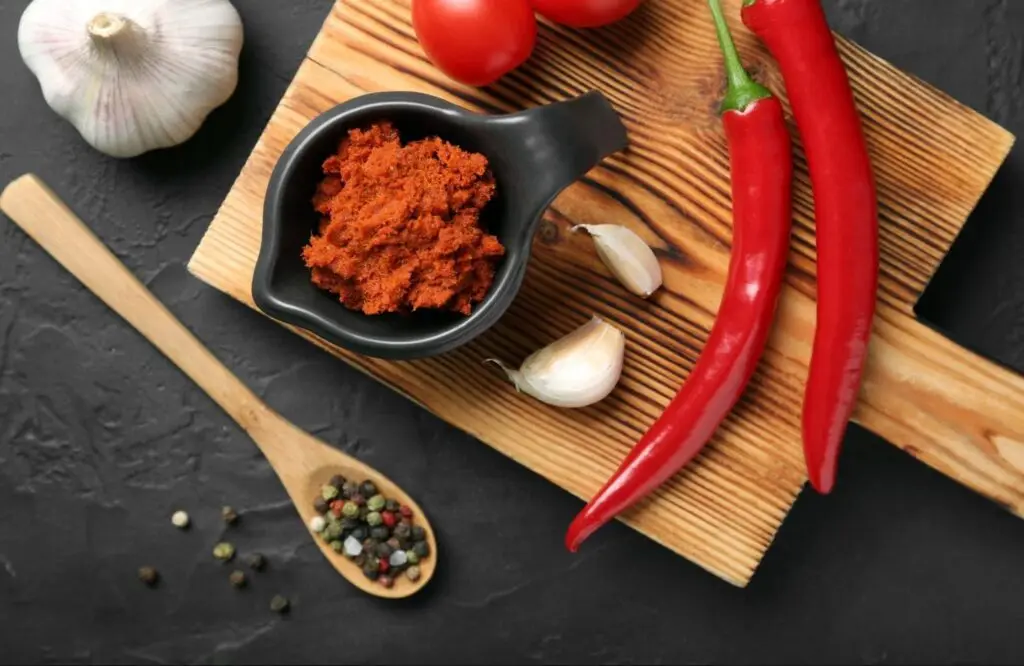
When most people think of Thai food, curry usually comes to mind, even if they aren't consciously aware of it. A bowl of fragrant, colorful food, served over rice, with just the right amount of spice to make you want more. But "Thai curry" isn't just a dish. It's an entire language, and every region of Thailand speaks it in its own unique way.
Thai curries vary greatly depending on the region, reflecting local ingredients, geographical conditions, and cultural influences. Curries from the north tend to be herby and earthy in flavor, curries from central Thailand are known for their rich coconut dishes, the flavors from the Isan region are rustic and herbaceous, while curries from the south are often intensely spicy and rich in seafood.
Unlike other cuisines where "curry" usually follows a uniform recipe, Thailand's curry dishes seem like four different worlds on a map. The basic idea, however, is the same: aromatic ingredients are pounded into a paste, stir-fried in oil, and then simmered or boiled with regional ingredients and proteins. This results in earthy curries in the north—from rich stews like Hang Lay curry to aromatic favorites like Khao Soi—rustic, herb-forward dishes in Isan, refined coconut-based curries in the central plains, and fiery, sea-scented curries in the south.
Anyone planning a culinary journey through Thailand should pay special attention to the curries – one of the most rewarding ways to get to know each region. Think of them as edible postcards from every area: a spoonful of history, geography, and local customs in every bite.
Northern Thailand: Mild, earthy and aromatic
Northern Thai cuisine is known for its pleasant aromas and, compared to other regions, its more subtle spiciness. The cooler mountain climate and the cultural influences of neighboring Myanmar and China have shaped the region's distinctive curry traditions. Coconut milk is used less frequently here, allowing herbs and spices to take center stage.
Khao Soi
Khao Soi | Shutterstock | Thailand Insiders
Khao Soi, arguably Northern Thailand's most beloved curry, is a dish that has turned many a visitor into a lifelong Chiang Mai enthusiast. It's a comforting coconut curry noodle soup, usually made with chicken or beef, whose broth feels luxurious yet surprisingly light. Turmeric, coriander, and a blend of warming spices give the curry its golden hue and gentle depth, while the coconut milk elevates it all to a velvety, rich sauce. Over the past five years, Khao Soi has gained international popularity, becoming one of the most ordered and talked-about dishes in North American Thai restaurants, as more and more diners seek out regional and authentic Thai flavors. With the growing interest in authentic regional specialties beyond well-known classics like Pad Thai and Green Curry, Khao Soi has established itself as a must-try, celebrated for its rich aromas, contrasting textures, and comforting taste.
What makes Khao Soi so unforgettable, however, is the contrast of textures. Soft egg noodles float in the curry sauce, while crispy fried noodles sit on top, absorbing just enough broth to keep the edges crisp. It always comes with a small plate of pickled mustard greens, sliced shallots, and lime, which you can add to taste until the bowl achieves the perfect balance of rich, tangy, and fresh. It's no exaggeration to say that it's one of the quintessential comfort foods of Northern Thailand.
Gaeng Hang Lay & Gaeng Om
Gaeng Hang Lay | Cook Eat World | Thailand Inside
Gaeng Hang Lay, another typical Northern Irish dish, is a curry that has quietly gained immense popularity. This slow-cooked pork curry, with roots in Burmese cuisine and long-distance trade, eschews coconut entirely, relying instead on tamarind, ginger, garlic, and a host of warming spices to create its rich flavor. The result is a thick, glossy stew that is sweet, tangy, and savory all at once, with tender pieces of pork that have absorbed all the flavors of the sauce.
While Gaeng Hang Lay highlights Northern Thailand's connection to Myanmar, Gaeng Om underscores its kinship with Isan and Laos. Sometimes described as a herb curry soup, Gaeng Om is lighter and more broth-based than the creamier Thai curries most travelers are familiar with. The focus is on fresh, mountain-grown ingredients. Dill, lemongrass, kaffir lime leaves, galangal, and Thai basil infuse the broth with flavor, which is simmered with chicken, pork, beef, or mushrooms, depending on availability. Instead of the richness of coconut, you get a clear, intense herbal flavor that seems to come straight from the garden. Gaeng Om is one of the best examples of how chefs in Northern and Northeastern Thailand transform local herbs into everyday comfort food.
Northeast Thailand (Isan): Robust, herbaceous and rustic
Northeastern Thailand, known as Isan, is famous for its vibrant and spicy cuisine. Heavily influenced by Laos, Isan cuisine focuses on grilled meats, fermented ingredients, herbs, and sticky rice rather than dishes featuring coconut milk. Curries from this region tend to be lighter, yet highly aromatic.
Gaeng Om Isan
View this post on Instagram. A post shared by JoshGreen (@gingerfarang)
If the northern version of Gaeng Om evokes a stroll through a mountain herb garden, the Isan version is more like a visit to a smoky country kitchen. It's spicier, bolder, and even more herb-forward, with dill still taking center stage but complemented by roasted chilies, fish sauce, and sometimes fermented fish for added flavor. Often prepared with whatever is available—chicken, frog, river fish, beef, or mushrooms—it's a true staple food, typically eaten with sticky rice and fresh vegetables.
Gaeng Nor Mai
Gaeng Nor Mai | Saeng's Kitchen | Thailand Insider
Another popular everyday dish is Gaeng Nor Mai, a curry soup with bamboo shoots. Fresh bamboo shoots are simmered with yanang leaf extract, mushrooms, herbs, and chili paste, creating a smoky, earthy broth that is distinctly different from coconut-based curries. Served with sticky rice, it reflects the use of forest ingredients and herbs from the local garden in Isan, as well as the region's deep connection to agriculture.
Curry and fermentation in Isan cuisine
The curries of Isan cuisine are revolutionizing traditional Thai curry cooking. Instead of rich coconut sauces, they are thinner, more herby, and unmistakably spicy – thanks to pla ra, the fermented fish paste that gives many dishes their intense, savory flavor. These rustic soups are traditionally eaten with sticky rice, shared at family tables, and passed down from generation to generation. It's more about village tradition than restaurant cuisine.
Central Thailand: Balanced, creamy and royally inspired
Central Thailand is home to many internationally renowned curry dishes. The fertile plains surrounding Bangkok provide an abundance of fresh herbs, coconuts, and spices, resulting in curries known for their balanced blend of sweet, salty, sour, and spicy flavors.
The cuisine of this region was also influenced by royal Thai cuisine, in which presentation, refinement and balance were highly valued.
Green Curry (Gaeng Keow Wan)
Green Curry | Shutterstock | Thailand Insider
Green curry is one of Thailand's most iconic dishes—the vibrant green, fragrant bowl that many picture when they think of Thai food. It's made with a paste of fresh green chilies, lemongrass, galangal, garlic, and shrimp paste, all cooked in coconut milk. It's typically finished with Thai basil, small green eggplants, and proteins like chicken or beef. Despite its delicate pastel color and the subtle sweetness of the coconut milk, green curry can be surprisingly spicy, thanks to the potent fresh green chilies. Served with jasmine rice, it's a classic example of the harmonious blend of sweet, salty, spicy, and aromatic flavors that lies at the heart of Thai cuisine.
Red Curry (Gaeng Phed)
Red Curry | Shutterstock | Thailand Insiders
Red curry gets its color and characteristic flavor from dried red chilies, which are pounded into a paste with garlic, galangal, lemongrass, and shrimp paste. Coconut milk softens the spiciness and creates a rich, slightly oily sauce that pairs wonderfully with duck, chicken, roast pork, or mixed vegetables. Compared to green curry, red curry often tastes more intense and smoky, with a warmth that builds slowly rather than suddenly. This makes it a popular comfort food in many Thai homes.
Massaman Curry
Massaman curry | Shutterstock | Thailand Insiders
Massaman curry stands out from other curry dishes, clearly showcasing its Persian and Muslim influences. The curry paste contains warming spices such as cinnamon, cardamom, cloves, and nutmeg, which are then simmered with coconut milk, potatoes, peanuts, onions, and slow-cooked beef or chicken. The result is a mildly spiced, slightly sweet, and nutty curry, almost reminiscent of a stew, reflecting the centuries-long trade tradition between Thailand and traders from the Middle East and South Asia.
Panang Curry
Panang curry | Shutterstock | Thailand Insiders
Panang curry is the most luxurious member of the central Thai curry family: it's thicker, richer, and slightly sweeter than most others. Reduced coconut milk gives it a refined, almost glossy texture, while finely sliced kaffir lime leaves provide a fresh, citrusy aroma. Often served with beef or pork, panang is less of a soup and more of a sauce that coats the meat. It's especially delicious with a mountain of jasmine rice to soak up every last spoonful.
Southern Thailand: Rich, fiery and intensely spiced
Southern Thai cuisine is characterized by bold flavors, dominated by coconut milk, turmeric, seafood, and fresh herbs. The region's tropical coastline and proximity to Malaysia have influenced its cuisine. Southern Thai curries are generally richer, spicier, and more intense in flavor than dishes from other parts of Thailand. Here, spiciness, salt, and spices harmonize perfectly.
Gaeng Tai Pla
At the hottest end of the flavor spectrum is Gaeng Tai Pla, an extremely intense curry made with fermented fish innards, vegetables, bamboo shoots, and a robust curry paste. It is incredibly hot and spicy, a dish loved by locals for its deep, salty flavor, though it can take some getting used to for visitors.
Yellow Curry (Gaeng Garee)
In contrast, the southern yellow curry showcases the region's Malaysian and Indian influences more subtly. Turmeric gives it its golden color, coconut milk provides a rich, creamy base, and seafood often takes center stage thanks to the nearby coast. Aromatic and not spicy, it's one of the more approachable southern curries for those just discovering Thai cuisine.
Gaeng Som
Gaeng Som | City Market | Thailand Insider
Then there's Southern Gaeng Som, a hot, brightly sour curry that may look simple, but packs a punch. It's made without coconut milk and is based on tamarind, turmeric, chili peppers, and seafood or fish. The result is a thin, bright orange broth that is intensely sour, hot, and unmistakably southern Chinese.
Khua Kling
Khua Kling | Vicky Wasik for Serious Eats | Thailand Insider
Although Khua Kling is technically a dry curry and not a soup, it is one of the most famous curry dishes in southern Thailand. Minced meat is fried with a highly aromatic curry paste until dry and fragrant. Turmeric, lemongrass, kaffir lime leaves, and bird's eye chilies create a powerful combination of heat and flavor.
Discover Thailand through curry
Thai curries are more than just delicious dishes; they reflect Thailand's regional identity, history, and local ingredients. A journey through Thailand offers the chance to experience just how much the cuisine varies from region to region. In the mountainous north, the curries are comforting and spicy. In Isan, they are rustic and fiery. Central Thailand offers the balanced flavors that many travelers worldwide appreciate, while the south takes spiciness and flavor to a bold new level.
Whether you enjoy a bowl of Khao Soi in Chiang Mai, try Gaeng Om in Khon Kaen, taste green curry in Bangkok, or sample Gaeng Tai Pla in Phuket – each curry offers a deeper connection to Thailand's rich culinary heritage.
For food lovers, exploring Thai curry cuisine is one of the best ways to discover the diversity and soul of Thai cuisine.




Community
Comments 0
Start the conversation.