The last decade has been marked by profound changes for Phuket. Government and private sector partners have worked together to redefine and protect the destination for the future. Travel journalist Chris Ashton offers tips for responsible travel in Phuket.
Phuket, a small tropical paradise in the Andaman Sea, welcomes almost 10 million visitors annually. Given these high visitor numbers, the small island has been struggling for years with the consequences of overtourism. But that could soon be a thing of the past, as Phuket aims to reinvent itself and become one of Thailand's most sustainable travel destinations.
The "No Foam No Plastic" campaign has been encouraging hotels and retailers to replace single-use plastics with more sustainable alternatives since the beginning of 2019. The smoking ban on beaches has also helped to reduce the number of cigarette butts ending up in the environment and make beaches more pleasant for all visitors.
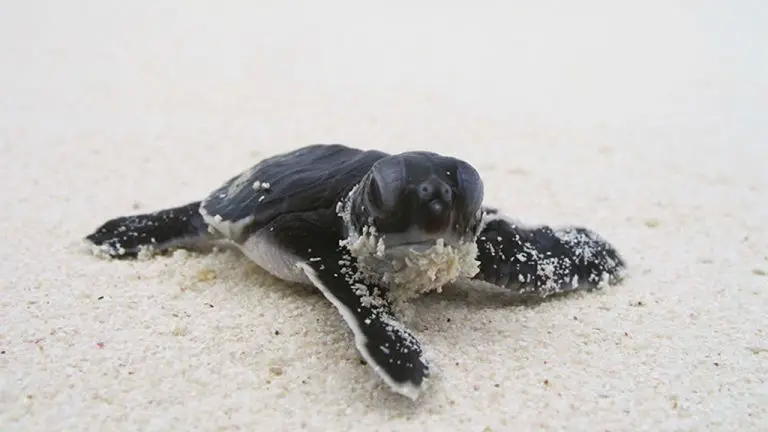
In the hotel sector, a collaboration between the JW Marriott Phuket Resort and Minor Hotels (Anantara, Avani) is working on financing environmental programs that support sensitive marine life, such as leatherback turtles that return to the beaches of Mai Khao to nest.
How can you, as a visitor to Phuket, make a difference? By being aware of your impact on the community and the environment, by choosing hotels and resorts that take green initiatives seriously, and by seeking out ethical and sustainable activities whenever possible.
Intrigued? Here's a travel guide for conscious travelers to Phuket.
Where to stay
If there is one industry that has the potential to create a more sustainable Phuket, it is the hospitality industry.
Resorts like the five-star Keemala resort in the west of the island are aware of this responsibility and are strongly committed to environmentally friendly and ethical practices. From villa design to landscaping, everything has been carefully considered to contribute to a greener future.
The Banyan Tree Wellbeing Sanctuary Phuket has also received numerous awards for its environmental practices and works with the environmental consultancy EarthCheck to minimize its impact on the planet.
Where to go to eat
"Farm to plate" is all the rage right now, and Phuket has also fallen under its spell. Knowing and understanding where our food comes from, where it's grown and sourced, and the passion with which each dish is prepared, enriches the experience. And it can be a lot of fun, too.
The Michelin-starred restaurant PRU (PRU stands for "Plant, Raise, Understanding") at the Trisara Resort is strongly committed to the "farm to fork" philosophy. Around 60-70% of the fruit and vegetables used in the 18-seat restaurant come from its own 100-hectare farm.
They're not alone. The local Phuket restaurant and catering company Jampa follows a zero-waste approach and uses only regional ingredients. An open fire is ever-present there. Sustainability is their top priority, both for them and for their menus – and it shows.
What to do
When you're not relaxing on a secluded beach or visiting the Big Buddha on Nakkerd Hill, cycling and hiking tours offer a more authentic way to experience the island, visit smaller villages and get involved in the local communities.
The Phuket Elephant Sanctuary, a home for retired elephants, and the Gibbon Rehabilitation Project do fantastic work to protect the island's endangered animals. Anyone wanting to learn more about responsible conservation efforts should definitely visit these facilities.
Wherever you are or whatever you are doing, if you are aware of your impact on the environment, you can help ensure that Phuket remains an island paradise worth falling in love with.




Community
Comments 0
Start the conversation.