Phuket meets many criteria for responsible travelers seeking sustainable accommodations and attractions. Travel journalist Aleney De Winter shows how to plan a sustainable vacation in Phuket.
With its balmy evening breezes, swaying palm trees, and miles of dreamy white sand beaches, it's no wonder Phuket tops the list of most Australians' favorite Thailand destinations. But while vibrant Phuket has long been synonymous with a wonderful tropical holiday, complete with welcoming locals, luxurious resorts, and irresistible food, it now also meets all the criteria of responsible travelers who value sustainable tourism.
Responsible travelers contribute to protecting the environment and cultural heritage of the destinations they visit, and the Thai government is making it easier than ever for visitors to do just that by taking drastic measures to improve sustainability across the kingdom and ensure that the impacts of tourism are positive.
The government has not only temporarily closed access to the most threatened ecosystems – including the legendary Maya Bay on the island of Phi Phi Leh, which will remain closed until 2021 to allow the damaged reefs to recover – but it has also taken a number of bold and admirable environmental protection measures.
The first step is a complete smoking ban on 20 beaches in Thailand, including the busy Patong Beach in Phuket and the beaches of the nearby Phang Nga Islands, where cigarette butts have become a significant environmental hazard and are harming marine life. The "No Foam No Plastic" campaign has already implemented a ban on single-use plastics in all 154 of the country's national and regional parks and will achieve the complete elimination of single-use plastic bags and polystyrene containers by 2021.
Sustainable hotels
For visitors who wish to make a positive contribution to environmental protection and support local communities, we offer tips for a sustainable stay in five-star style.
Start by choosing a hotel with a strong commitment to sustainability. The five-star Keemala resort is dedicated to exemplary environmental practices. This luxurious, plastic-free retreat nestled in the Kamala Rainforest is known for its sustainable, locally sourced cuisine, plastic-free policy, use of ethically sourced materials, and commitment to animal welfare. Guests can also support hotels like the JW Marriott Phuket Resort & Spa, Marriott Vacation Club International, and Anantara Hotels and Resorts, which promote environmental projects such as the Mai Khao Marine Turtle Foundation. Their beach patrols and nursery protect and care for endangered sea turtles.
Sustainable food
Five-star dining doesn't have to come at the expense of the environment. Phuket's only Michelin-starred restaurant, Pru Restaurant at the Trisara Resort, offers a delicious farm-to-table experience with organic produce from the hotel's own farm, the region, or from local farmers, fishermen, and suppliers who use sustainable farming methods.
Sustainable tours and attractions
Just because Maya Bay is closed doesn't mean visitors can't still explore pristine stretches of the Andaman Sea. Paddle Asia's eco-friendly kayaking tours are the perfect way to discover Phuket's most untouched coastline while protecting the marine ecosystem.
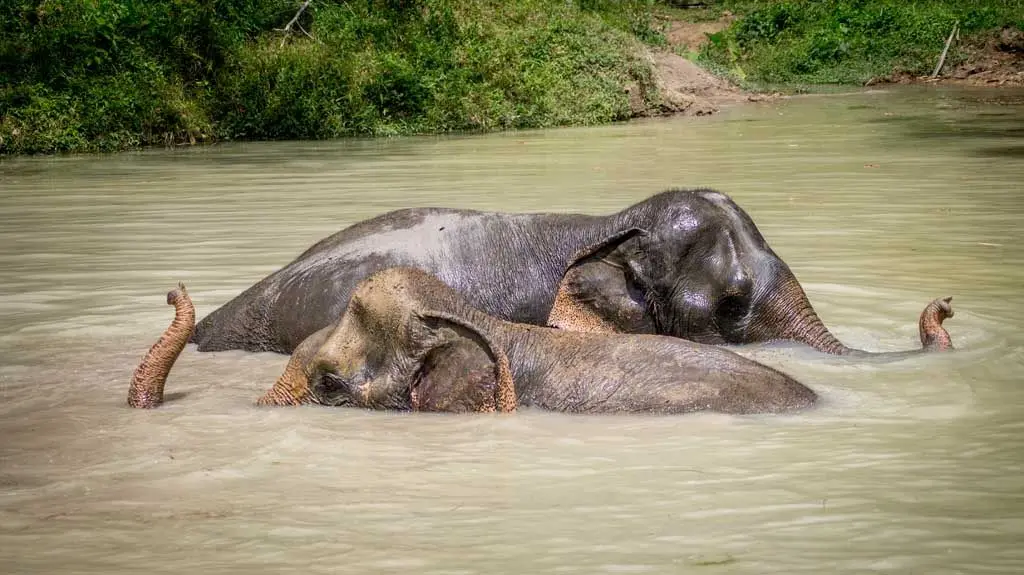
It goes without saying that in Phuket, one should avoid attractions that exploit wildlife. Instead of elephant rides and shows, an elephant experience based on conservation is recommended. The Phuket Elephant Sanctuary is one of the best examples of this. Here, former working elephants find a home, and the focus is on their ethical and humane treatment. After being rescued or used in logging and elephant riding, the elephants are reintegrated into life in the forest.
The Gibbon Rehabilitation Project in Paklok is another sanctuary dedicated to rescuing and mistreating gibbons that have been kept in captivity or exploited for tourism. The goal is to rehabilitate the animals and release them back into the wild. Visitors can learn about the plight of gibbons at the Environmental and Wildlife Centre and observe some of the resident animals from specially constructed viewing platforms.




Community
Comments 0
Start the conversation.