a travel guide for Udon Thani and Nong Khai
In Udon Thani and Nong Khai – two of the larger cities in North Isaan – the locals wear their identity with pride and welcome tourists to share their culture with them.
If you want to immerse yourself in Thai culture and have personal encounters with the local communities during your trip, you should visit the northern Isaan region.
In Udon Thani and Nong Khai – two of the larger cities in northern Isaan – locals proudly embrace their identity and warmly welcome tourists to experience their culture. Such encounters can take place in a picturesque village, at a riverside market, or in a stunning sculpture park.
If you love the peaceful and tranquil lifestyle of the countryside, you'll immediately feel at home in North Isaan. The people are genuinely friendly, the food tastes fresh, and the colors are vibrant. You'll feel like a guest as you explore the highlights of North Isaan.
Arrival
Udon Thani International Airport offers regular flights from Bangkok-Don Mueang, Bangkok-Suvarnabhumi, Chiang Mai, and Phuket. Buses to Udon Thani depart from Mo Chit Bus Station in Bangkok and take eight hours. From Udon Thani, there are regular buses and minibuses to Nong Khai, a journey of just one hour.
Udon Thani railway station is located on Thailand's northeastern rail line. Ten direct trains connect Bangkok to Udon Thani; journey times vary between 11 and 17 hours. Sleeper cars are available, but not on all trains on this route. Families are advised to book a first-class sleeper car with a private compartment.
locomotion
Travelers to Udon Thani typically stay in a hotel around Soi Sampantamit, as it is close to the train station and the old bus station. Further hotel options can be found in the city center and near Nong Prajak Park.
The most sought-after accommodations in Nong Khai are located near the promenade along the Mekong River.
Best time to travel
Try to plan your trip to coincide with the most important festivals in the Isaan region. The Rocket Festival (Bun Bang Fai) takes place between April and June and marks the beginning of the rainy season. Awk Pansa marks the end of the Buddhist rainy season in October and is also the time when the spirit lights rise from the Mekong River.
The Red Lotus Sea Festival takes place in mid-January, celebrating the full bloom of the lotus flowers on the lake of the same name in Udon Thani.
Things to do in Udon Thani & Nong Khai
The Isaan people are not only of Thai origin but also form an ethnic community that shares dialect, language, culture, and history with the people of Laos, which lies across the Mekong River. A visit to the village of Ban Chiang in Udon Thani offers the opportunity to experience the flavorful cuisine, unique textiles, and handicrafts of Isaan.
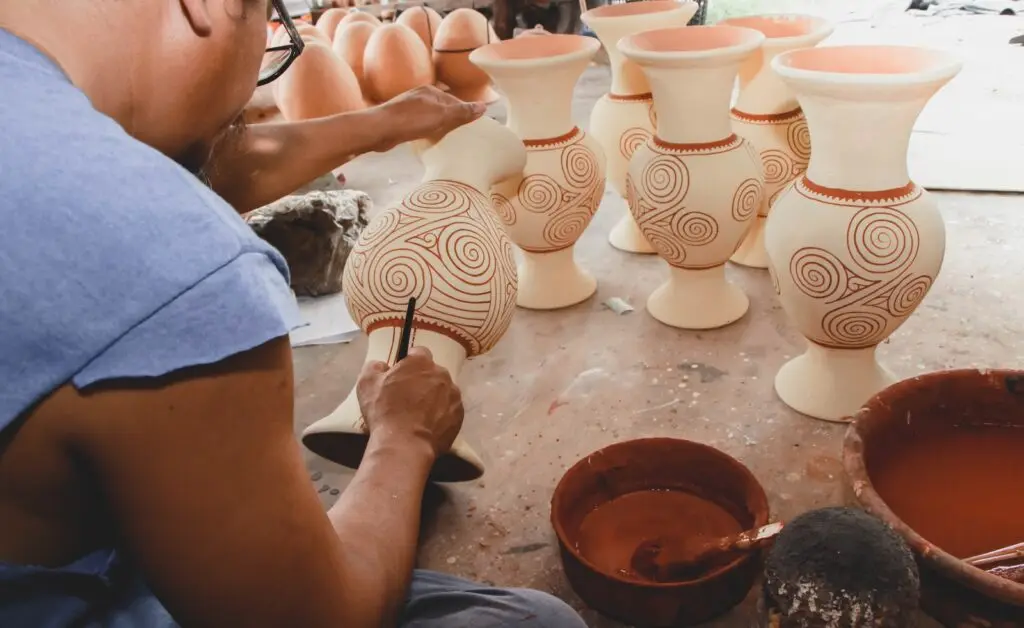
This area is unique for both tourists and locals. The village of Ban Chiang has been recognized as a UNESCO World Heritage Site due to its archaeological treasures – a find of 5,000-year-old pottery with unique swirl patterns.
Today's Thai Puan community considers itself the guardian of Ban Chiang's heritage. It offers a comprehensive cultural experience where visitors can create their own Ban Chiang pottery, dye fabrics with natural indigo, and participate in ceremonies such as the Bai Sri Su Kwan, which is used to call good spirits back to their homeland.
Visitors should also visit the Ban Chiang National Museum, whose English-language exhibits explain the significance of the ceramics and their insights into prehistoric culture in this part of the world.
Wat Pho Sinai is the only archaeological site in Ban Chiang that is open to visitors, as the other sites were filled in to protect priceless treasures.
If you are looking for a peaceful place for reflection, visit Wat Hin May Pen. Originally built as a Dharma practice center by Luangpu Thet, the temple served as a place of spiritual retreat for monks, nuns, and pilgrims. The temple is spacious, clean, and shady, with various plant species ideal for Dharma practice. It is situated right on the Mekong River. Inside the pagoda, you will find a museum with a statue of Luangpu Thet, the eight essential items for a monk's daily life, pilgrim's supplies, and Luangpu Thet's crematorium, where his cremation ceremony took place.
If you're in Udon Thani, a visit to the stunning Red Lotus Sea is a must. Between October and January, the pink water lilies of Talay Bua Daeng Lake burst into bloom, transforming its crystal-clear waters into a pink spectacle as far as the eye can see. Hop aboard one of the pontoon boats on the shore and enjoy the breathtaking views as the boat glides through the lotus blossoms.
If you are interested in seeing more floating lotus flowers in Udon Thai, visit the temple Wat Santi Wanaram (or Wat Pa Dong Rai) north of Ban Chiang, which looks like a white lotus flower floating on the water.
Getting to Baan Hin Rom: The coastal village is located about 14 kilometers east of the Takua Thung district.
Koh Surin, an archipelago off the north coast of Phang Nga, is a must-see for every snorkeler. This underwater paradise boasts extensive coral reefs and a diverse array of marine life. Snorkeling in the Surin archipelago is like stepping into another world, filled with beautiful creatures of all colors, shapes, and sizes. Turtles and manta rays glide through the coral gardens, while whale sharks—gentle giants—often accompany visitors to this paradise. The archipelago offers numerous excellent snorkeling spots. The beaches are idyllic, with powdery white sand perfect for walking barefoot. You can stay overnight in the park and enjoy the ultimate tropical island experience in a tent, or take a day trip to Koh Surin from your hotel. Here's how to snorkel in Koh Surin: Snorkeling tours with hotel pickup, lunch, and snorkeling equipment are available. The trip promises the opportunity to swim in the ocean, stroll along the beach, and snorkel around Koh Surin. How to dive: Many dive centers offer a wide range of diving excursions – day trips or night dives – for diving enthusiasts.
The Isaan region of Nong Khai, a sixty-minute drive north of Udon Thani, shares with its southern neighbors a mystical atmosphere shaped by the influence and legends of the Mekong River.
For example, it is known that at the end of the Buddhist fasting period, the river emits mysterious spirit lights; the locals attribute this to the Naga deities who live in the Mekong.
The Mekong River promenade in Nong Khai is a major hub for business and leisure activities in the region. Bicycles can be rented along the riverbank or at local guesthouses – for a maximum of 60 baht, you can cycle along the river and explore some of Nong Khai's main attractions.
From 4 pm the Khaem Khong market opens, combining authentic local goods, traditional Isaan cuisine and live music performances, thus offering the perfect end to an evening in Nong Khai.
Those who are fascinated by mystical sculptures will find few places in Nong Khai that can rival Sala Kaew Ku – the life's work of the late Laotian mystic Luang Pu Boun Leua Sourirat. Driven by his eccentric vision, which combined Buddhist and Hindu cosmology, Luang Pu created a collection of statues that brought his ideas to life.
In Sala Kaew Ku, hundreds of sculptures depict Buddha, Hindu gods, and a variety of allegorical representations. The Wheel of Life at the center of the park embodies Luang Pu's interpretation of the karmic cycle of life. Visitors enter the cycle through a wide-open mouth and proceed clockwise to reenact birth, life, and death.
Luang Pu died in 1996 but never left the park. The main shrine building houses a memorial to his life, containing mementos from his lifetime. His preserved remains are displayed under glass in the center of the shrine.
Selected articles about Udon Thani and Nong Khai
Do you need travel information?
Discover everything you need to know before your trip – from visa requirements and entry guidelines to essential travel tips and frequently asked questions.




Community
Comments 0
Start the conversation.