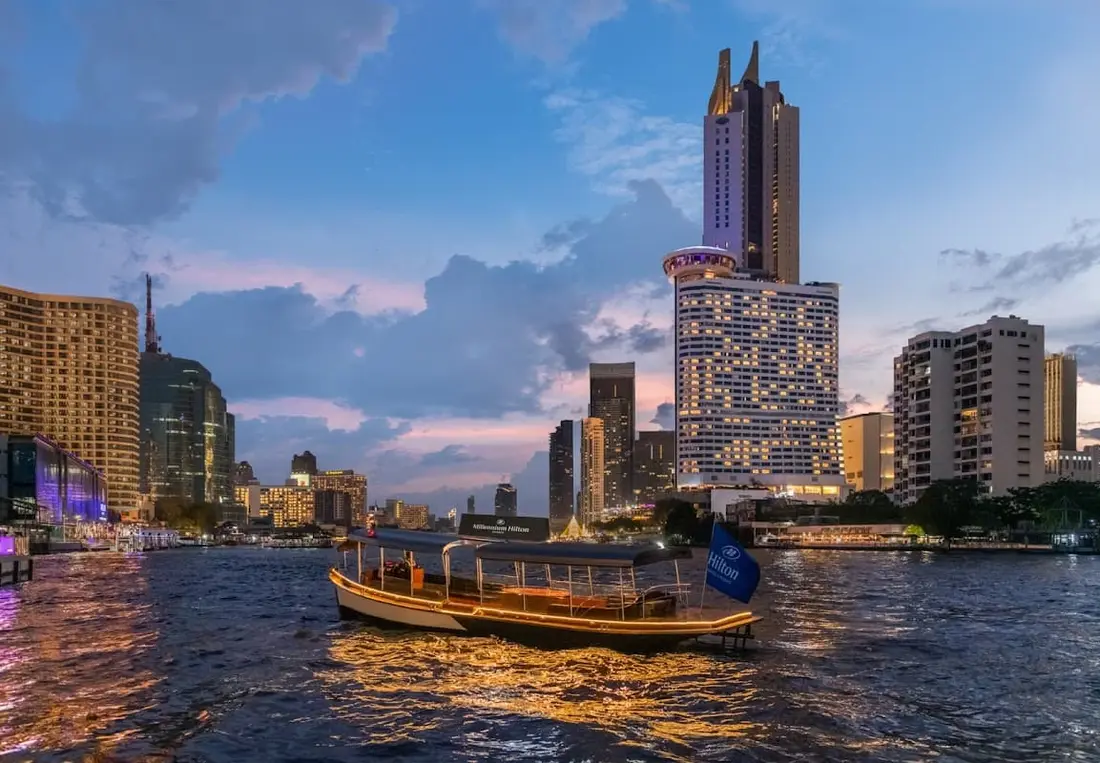
Talat Noi is a small neighborhood on the banks of the Chao Phraya River, south of Bangkok's Chinatown in the Samphanthawong district, and is one of the oldest continuously inhabited areas in the city. Portuguese Catholics arrived after 1767, followed shortly by Hokkien-speaking Chinese traders. Today, its narrow lanes are a mix of 19th-century shrines and courtyard houses, engine repair shops, murals, and cafes housed in old waterfront trading buildings.
We spent time in the cafes and along the riverbank, admiring the street art. It's the part of old Bangkok I would recommend to a friend over Yaowarat. Entry is free, the district is small enough to explore in two to three hours, and the Hua Lamphong MRT station is only about 900 meters away.
Where to stay in Bangkok
This route ends in Bangkok. Search for hotels in Bangkok for your travel dates or narrow your search to a specific region. Filter for hotels with free cancellation if you'd like to book a room and decide later.
Open Booking.com with your travel dates · also on Expedia · Trip.com
My picks in Bangkok in every price category
Key facts
Hiking is free.
There is no entrance fee for the neighborhood or the street art. You only pay for coffee, food, and occasionally for a museum visit.
Two to three hours are sufficient.
The alleyways cover less than half a square kilometer. Allow an extra hour for a leisurely coffee by the river.
Avoid Mondays
Hong Sieng Kong and So Heng Tai are both closed on Mondays, and the Talad Noi Museum is closed for the time being.
Subway or riverboat
The Hua Lamphong MRT station (Blue Line) is about 900 meters from Soi Charoen Krung 22. The Chao Phraya Express boats stop at the Marine Department and Si Phraya piers.
Go in the morning
It's cooler in the morning, the light is better for the murals, and the tables by the river are free. Many cafes close in the early evening.
The lanes are busy roads.
Workshops, houses, and shrines line the alleys. Keep to the edges, watch out for motorcycles, and ask before photographing people.
A brief history of the small market
Talat Noi means "small market," the name likely derived from the Chinese Talak Kia, the smaller market south of Sampheng. After the fall of Ayutthaya in 1767, Portuguese Catholics settled on this bank, and their first wooden church was built in 1787. When Rama I moved the capital across the river in 1782, Chinese households followed, and Hokkien settlers established the Chow Sue Kong Shrine in 1804. By the early 19th century, Talat Noi was a bustling port for the junk trade.
After the Bowring Treaty of 1855, this changed with the advent of Western steamships, and the old wharves fell into disrepair by the 1890s. After World War II, decommissioned military vehicles were scrapped here, and the trade in used engines that developed around the Sieng Kong Shrine gave its name to the Thai word for secondhand parts dealer. With the relocation of the port, the area emptied. Residents formed a development initiative in 2014, the Bukruk Urban Arts Festival created the first murals in January 2016, and cafes followed. Even a dish, Kuaitiao Khua Kai, wide fried rice noodles with chicken and egg, is said to date back to the war.
Sights of Talat Noi within walking distance
A hike from north to south along the river, with the first and last stops less than half a kilometer apart and numerous paths in between that make it easy to get lost. The best time to start is late morning, except on Mondays.
Talat Noi Street Art
The murals are the main draw for many visitors, and we admired them during our visit. They cover the walls around Soi Charoen Krung 22 and the alleyway leading to the Rong Kueak Shrine on the riverbank. Located right next to working lathes, stacked engine blocks, and old shophouses, they stand out from an ordinary gallery wall. Most originated from the Bukruk Urban Arts Festival in January 2016, and the Tourism Authority of Thailand added the “Amazing Thailand Phoenix Wall” in Soi Chao Sua Son to the exhibition in 2020.
There's no map or set route at the starting point. Just wander through the alleys south of Soi Charoen Krung 22 towards the river and keep an eye out for the view. If you arrive before midday when the light is more pleasant, avoid the workshops and walk ten minutes north to see the murals at Song Wat.
Where to eat and drink in Talat Noi
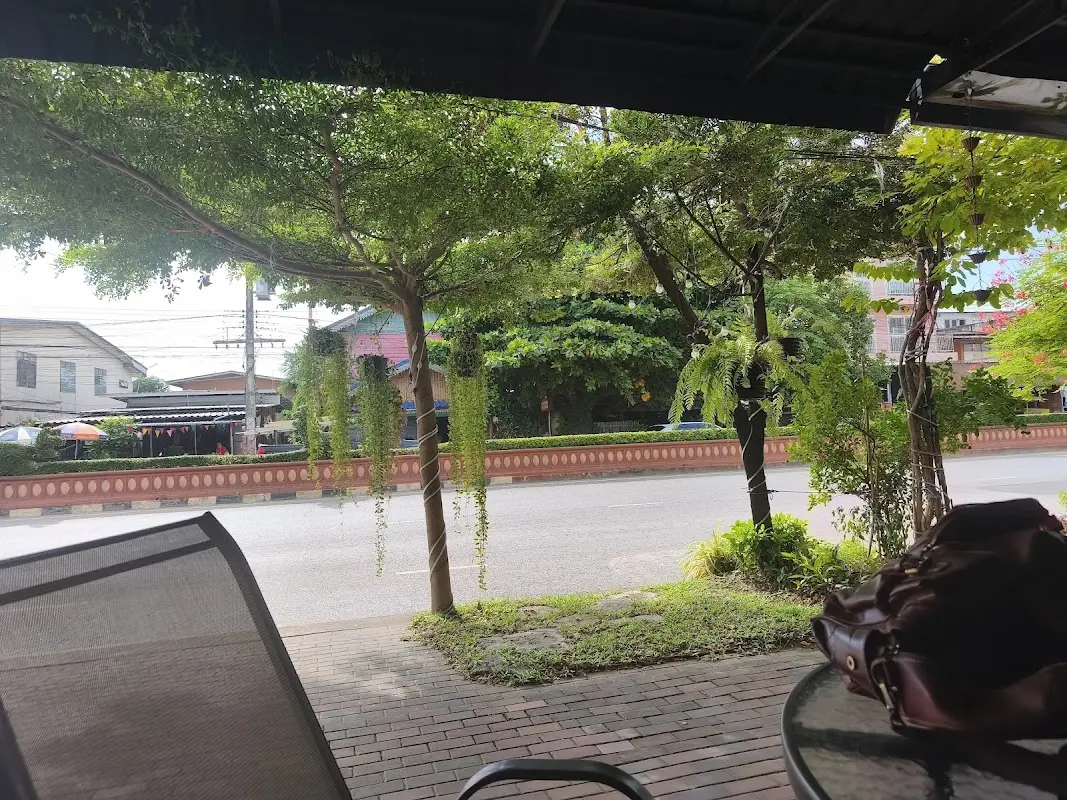
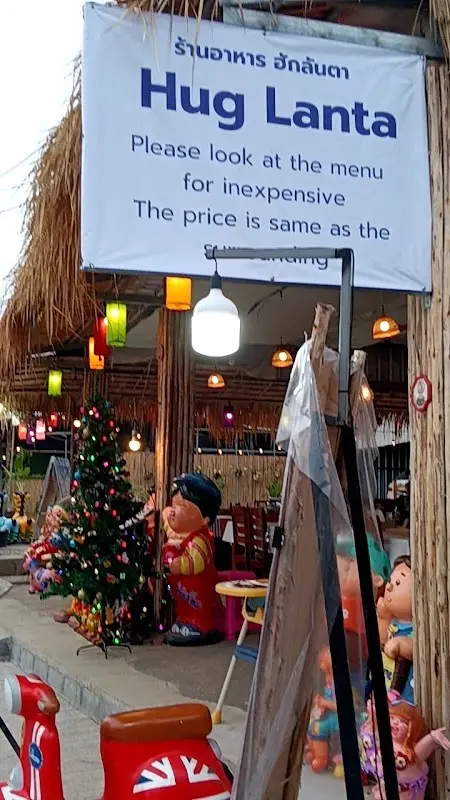
The cafes in Talat Noi are another attraction, and we spent time there as well. Hong Sieng Kong is the riverside cafe that everyone photographs, Mother Roaster is tucked away above a parts warehouse, and So Heng Tai serves coffee in a courtyard house. Expect large crowds at the riverside cafes on weekends, and most close early.
For a meal, Charmgang at Soi Charoen Krung 35 is recommended—a modern curry house with spicy curry dishes. Charoen Krung Road, south of the district, is one of the city's best food streets; the Bib Gourmand-awarded restaurant Samlor and the Michelin-starred 80/20 are just a short walk from each other. Those looking for street food will find the Yaowarat night stalls a ten-minute walk north.
Song Wat Road, next door
Song Wat Road runs 1.2 km along the river from Ratchawong Pier to the Khao Lam Roundabout above Talat Noi. It was built by King Rama V after a major fire in the Sampheng area; the first section opened in 1892. Its name means "the king's drawing" and stems from the legend that he designed the route himself. It was the region's most important link to river trade, and even today, vendors selling spices and dried goods line the road.
Today, the old storefronts house specialty coffee shops, small galleries, and murals, and Time Out ranked it 39th on its list of the 40 coolest neighborhoods in the world in 2023. Walk north from Talat Noi to Chinatown.
The best-rated hotels in Bangkok
Here is my ranking of the 10 best hotels in Bangkok. Each button will take you directly to the hotel's page on Booking.com, where you have already entered your travel dates.
Arrival in Talat Noi
Most of Bangkok is most easily reached by MRT and a short walk or by motorbike taxi for the last leg, and Talat Noi is no exception.
When should you go?
Every day except Monday, ideally from late morning onwards. This way you avoid the heat and weekend crowds in the cafes, and the murals are best photographed before noon. The riverbank is livelier, but also more crowded, on weekends.
The vegetarian festival, usually held in October, transforms the streets around the Chow Sue Kong Shrine into a colorful sea of lights, yellow flags, and meatless dishes. Numerous events also take place for the Chinese New Year. For dinner, a stroll north towards Yaowarat is recommended, where the street food stalls open in the evening.
How to visit respectfully
Talat Noi is a residential and working area, not a backdrop. The workshops are businesses, so please do not enter them or block the doors for photos. Stay to the edges of the alleyways, as they are used by motorbikes. So Heng Tai is a residential building, and the shrines and church are places of worship. Therefore, speak quietly, cover your shoulders in the church, and do not stand in front of people praying. Ask before photographing people, and buy a coffee or a snack while you are here.
Frequently Asked Questions
Frequently asked questions about Talat Noi, Bangkok's oldest river district.
Street art, riverside cafes in old trading buildings, Hokkien shrines, and a 19th-century courtyard house – all this blends with the engine parts workshops that have characterized the alleyways since World War II. It is one of Bangkok's oldest neighborhoods.
Yes, for two or three hours. It's free, quieter than Chinatown, and full of historic Bangkok that most visitors miss. Combine it with Song Wat Road or Yaowarat, both just a short walk north.
Small market in Thai. Historians believe the name comes from the Chinese Talak Kia, the smaller market south of Sampheng, and not from the popular story about a woman named Noi.
Take the MRT Blue Line to Hua Lamphong and walk approximately 900 meters to Soi Charoen Krung 22. Alternatively, you can take a Chao Phraya Express Boat to the Maritime Bureau or Si Phraya Pier. Grab offers direct access to Soi Charoen Krung 22.
The alleyways are always open and free to enter. Cafes usually open late morning and close early evening. Hong Sieng Kong and So Heng Tai are closed on Mondays, so a visit on another day is recommended.
More murals can be found in the alleys around Soi Charoen Krung 22 and the alley leading to the Rong Kueak Shrine on the riverbank. Ten minutes north, along Song Wat Road, there are even more murals.
Hong Sieng Kong for tables on the riverbank in a 200-year-old complex, Mother Roaster for filter coffee above an auto parts yard, and So Heng Tai for coffee in a 19th-century courtyard house.
No, they are neighbors. Talat Noi is the riverside neighborhood south of Chinatown, and Song Wat Road runs 1.2 km north of it towards Ratchawong Pier. Most people spend an afternoon strolling through both neighborhoods.
It's right next door. Talat Noi is located south of Yaowarat in the same district, Samphanthawong, and is about a ten-minute walk away.
Compare prices on the major booking portals and filter for rooms with free cancellation if you want to book now and decide later.
Compare prices on Booking.com
Compare prices on Trip.com
We may receive a commission for bookings made through these links – this will not incur any additional costs for you. Learn more.
You might also like this
Bangkok travel guide
A city with three zones and a river – once you understand the structure, everything else falls into place.
Chiang Mai City Guide
A walled square, a mountain, and the best value for money for good living in Thailand – if you know the calendar.
Things to do in Bangkok
Ten experiences worth traveling to – sorted by rank, price and time, so you can experience each one at the best time.
Things to do in Chiang Mai
Twenty-five things worth a trip to the north, ranked by rank, price and time of year to visit, centered around the mountain, the markets and the smoke-free months.
Best time to travel to Thailand
The best time to travel is from November to February; the rest of the year is best on the east coast.
I lived in Bangkok for four years and traveled throughout the country from there. The guidebooks reflect my personal opinion and are written as I would explain things to a friend planning a trip.
Ready to create your travel itinerary?
Use our free trip planner to save places, organize days, and share your trip.
Community
Comments 0
Start the conversation.