a guide to Loei
Escape the heat in Loei, a mountainous border province
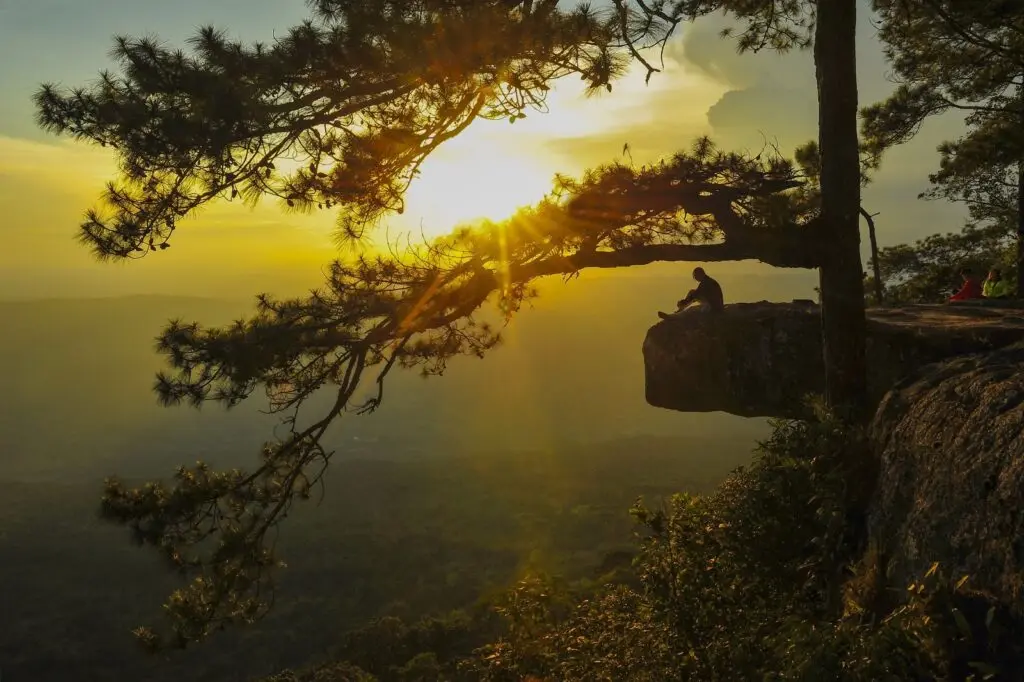
You are above it all. The climb to Pha Nok Aen took five hours, but the breathtaking view makes it all worthwhile. From the summit, you can watch the clouds drift by, like a veil of mist shrouding the northeastern landscape of Thailand.
Imagine yourself cruising on a Mekong riverboat, enjoying the sunset over the mighty river. The setting sun paints the sky a sea of violet and orange hues. As darkness falls, you return to Chiang Khan and spend the evening exploring the picturesque pedestrian streets and pubs.
Nestled between mountains and the Mekong River, the province of Loei in northeastern Thailand feels pleasantly far removed from the sun, sea and sand that tourists know the country to be.
Loei is popular with locals and tourists alike, offering a welcome respite from the heat and humidity of the lowlands. It's time for tourists to take a closer look at this border province and its fantastic, remote adventures.
Arrival
Daily flights from Bangkok-Don Mueang Airport take up to one and a half hours to travel from the capital to Loei. Buses to Loei depart from Mo Chit 2 bus station and take just under nine hours for the 520 km journey from Bangkok.
You can travel from Loei town to Chiang Khan and other destinations in Loei using tuk-tuks, songthaews and local buses.
The best time to visit Loei is during the Phi Ta Kon Festival, a three-day celebration held in Dan Sai between March and July. The festival is a boisterous, almost anarchic experience: locals wear monstrously beautiful masks and brandish phallic objects meant to symbolize fertility.
locomotion
The best accommodations for travelers can be found in Loei and Chiang Khan. In Chiang Khan, guests can enjoy a particularly authentic local experience in the teakwood hotels of Chai Khong Road.
Visitors to Phu Kradeung can also inquire at the office about camping facilities on the grounds. The administration also offers the use of camping equipment such as tents and sleeping bags.
The Thai Dam Cultural Center offers homestays to travelers, but requests must be made at least one week in advance. Meals are included but must be paid for separately.
Activities in Loei
Phu Kradeung National Park, Thailand's second oldest national park, is Loei's most popular tourist destination. Although the climb is quite expensive, the view from the top is worth it.
The five-hour hike to the Pha Lom Sak viewpoint is 8 km long (5 km of which is a strenuous uphill climb). But the effort is worth it: you'll be rewarded with perfect Instagram photos of an overhanging rock slab at the edge of the precipice and, last but not least, the most beautiful sunsets in Loei.
From 5 a.m. onwards, overnight guests in the park can hike to the Pha Nok Aen viewpoint, from where you can experience a sunrise over a sea of clouds that parts to reveal the mountains and fields of Loei.
Hikers with a keen eye for botany will recognize many plants typical of temperate climates along the trails, including red maple trees whose leaves turn a vibrant red from November to December. Beyond these viewpoints, the trails along Phu Kradeung lead to hidden waterfalls such as Phen Phop, Khun Phong, and Than Sawan.
Phu Kradeung National Park is open daily from 8:00 AM to 4:30 PM, except during the rest period from June to September, when the ecosystem can recover. An entrance fee of 400 baht (approximately US$12.80) is charged at the entrance; campsites and other facilities are available for rent.
This relaxed little district on the Mekong is an important starting point for trips to the rest of Loei, as some major attractions are no more than a few hours' drive from the city center.
From the city, you can rent a boat and cruise down the Mekong at sunset. The dock is very close to Chai Khong Road, where a night market takes place among the centuries-old teak houses. There you can buy local produce and enjoy Loei specialties such as Mieng Kham (savory phyllo pastries) and Khaow Chee (grilled sticky rice). The night market is open from 5:00 PM to 9:00 PM and stretches from Soi 5 to Soi 20.
Wat Sri Kun Mueng temple, located north of Chiang Khan Market, is worth a visit to admire the blend of Lan Chang and Lanna styles of art that decorates its Ubosot (ordination hall).
Early risers can head to Phu Thok Hill and admire the sea of clouds over Chiang Khan and the Mekong River. Alternatively, they can watch the daily procession on Chai Khong Street, where locals fill the alms bowls of passing Buddhist monks with sticky rice.
A longer car journey from Chiang Khan takes culture-interested visitors to the Thai Dam Cultural Village, home to the ethnic community of the Thai Dam, whose traditions, culture and handicrafts can be experienced up close.
A visit to the city of Dan Sai offers numerous cultural experiences. These range from exploring ancient temples to participating in a lively festival with revelers in ghost masks.
The Phra That Sri Song Rak Pagoda is almost 500 years old and was built to commemorate the alliance between the kings of Ayutthaya (present-day Thailand) and Si Sattana Khanahut (Vientiane). Visitors are forbidden from wearing red or bringing red offerings – the color symbolizes violence, which is incompatible with a temple dedicated to peace.
Wat Neramit Wipatsana is a relatively new temple located near Phra That Sri Song Rak. The temple is surrounded by a beautifully maintained garden adorned with statues and crisscrossed by walking paths.
The Phi Ta Khon Museum houses objects representing the local festivals of Bun Luang and Phi Ta Khon, including the famous smiling Phi Ta Khon masks. The museum serves as a prelude to the festival itself, as it presents a local interpretation of the Buddhist festival of Bun Phawet, which takes place between March and July.
As the westernmost district of Loei, Na Haeo is ideal for those seeking a peaceful and relaxed lifestyle among the locals. It's a small, traditional village in the central valley near Dan Sai, without shops or tavernas. The residents know each other and are friendly to visitors.
The rice paddies in the valleys of Loei are a beautiful sight in Thailand, especially in Na Haeo. From July to August, the rice fields are a vibrant green, and from October to November they turn golden yellow.
The "coldest place in Siam" is located on the summit of Phu Ruea, which crowns the sail-shaped cliff and rises over 1400 meters above sea level. The view from the summit across the sea of clouds is unparalleled, and the mountain is more easily accessible to visitors than Kradeung, as it is possible to drive to the top.
If you are planning a visit during the winter months from November to January, you should dress warmly as it gets cold; you can see frost forming on the pine forests around the mountain.
Right at the entrance is the poinsettia garden with its characteristic blooms that carpet the ground with red and green flowers. The garden hosts the annual Poinsettia Festival, which takes place during the winter months.
Selected articles about Loei
The best hiking trails in all of Thailand
When you think of Thailand, golden temples and tropical beaches might come to mind. But beyond that, numerous hiking trails await...
A guide to traveling in Thailand during the cooler months
From November to February, Thailand experiences its cooler season – a time with blue skies and fresh mornings that appeals to travelers...
The best mountain hikes in Thailand
Let's go for a hike – today is International Mountain Day! International Mountain Day was established by the United Nations in 1911...
Do you need travel information?
Discover everything you need to know before your trip – from visa requirements and entry guidelines to essential travel tips and frequently asked questions.




Community
Comments 0
Start the conversation.