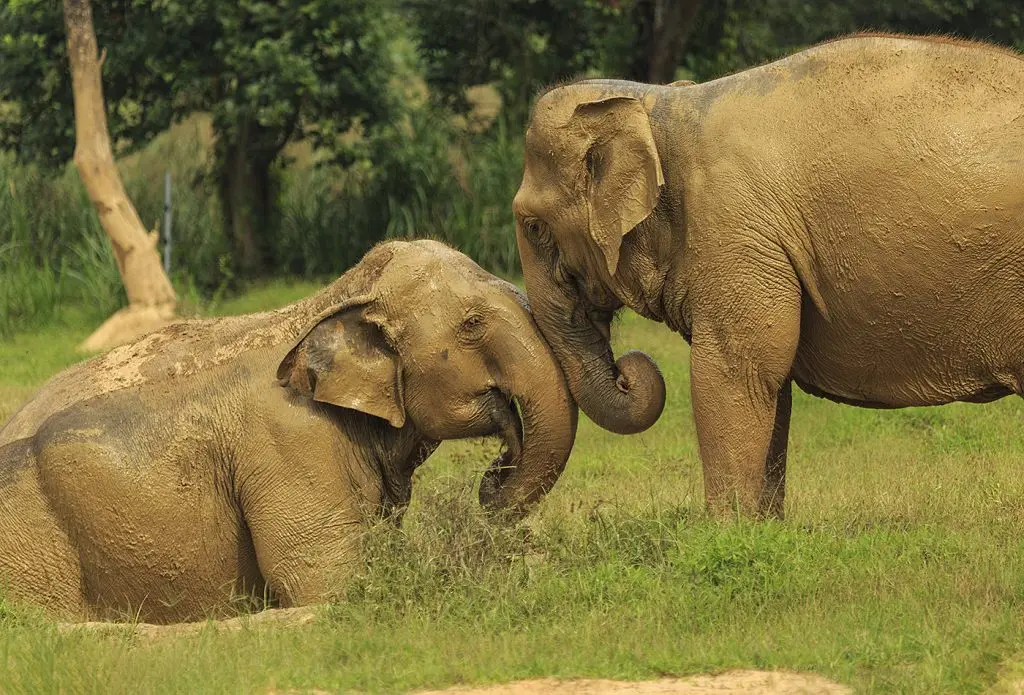
Thailand is ushering in a new era of ethical elephant tourism, where the greatest privilege is not riding, feeding or bathing these magnificent animals, but simply seeing them live as elephants should live.
Across the country, former trekking camps have been transformed into genuine sanctuaries where rescued elephants roam through forests, wallow in mudflats, forage for food, and live alongside their herds. Visitors are invited to observe these natural behaviors from a respectful distance, creating experiences that are not only more meaningful but also benefit the elephants' well-being.
Thailand continues its journey towards sustainable and high-quality tourism, and ethically responsible elephant experiences are among the country's most enriching nature experiences. Whether you visit the mountains of northern Thailand, the beaches of Phuket, or the islands of the Gulf, you'll find opportunities everywhere to support organizations that prioritize elephant welfare over mere entertainment.
What makes an elephant sanctuary ethically justifiable?
The definition of ethical elephant tourism has evolved significantly over the last decade.
Today, the most respected sanctuaries prioritize rescue, rehabilitation, and lifelong care. Rather than encouraging close contact, they focus on allowing elephants to express their natural behaviors with minimal human intervention.
When choosing a shelter, you should look for offers that provide the following:
Many sanctuaries have also abandoned bathing and feeding times for visitors, recognizing that allowing elephants to make their own decisions creates a healthier environment for both the elephants and their visitors.
Thailand is home to a growing number of ethical elephant sanctuaries. While this list is not exhaustive, the following are among the country's best-known examples, where animal welfare is paramount and observing elephants in their natural environment takes precedence over direct contact.
Elephant Nature Park, Chiang Mai
The Elephant Nature Park, probably Thailand's most famous ethical sanctuary, has become an international model for the rescue and rehabilitation of elephants.
Founded by conservationist Lek Chailert, the sanctuary provides lifelong care for elephants rescued from deforestation, street begging, and tourism. Visitors explore the extensive grounds with guides and observe the elephants grazing, playing, and engaging in their natural behaviors.
The experience focuses on education and conservation rather than entertainment, making it one of the country's most inspiring wildlife attractions.
Boon Lotts Elephant Sanctuary (BLES), Sukhothai
For travelers seeking a more immersive experience, Boon Lott's Elephant Sanctuary, commonly known as BLES, offers overnight stays where guests can observe rescued elephants roaming freely on hundreds of hectares of forest and farmland.
The number of animals is deliberately kept low so that visitors can experience the elephants' daily routine and at the same time learn about their individual stories and the challenges of protecting Asian elephants.
Phuket Elephant Sanctuary
Phuket, once known primarily for elephant rides, is now home to one of Thailand's leading ethical sanctuaries.
At the Phuket Elephant Sanctuary, rescued elephants roam through tropical forests, bathe in freshwater lagoons and forage for food in a natural way, while visitors observe them from elevated walkways and carefully designed viewing platforms.
Through informative presentations, guests learn about the importance of responsible wildlife tourism and the ongoing rescue work in the protected area.
After the giants, Krabi
Krabi has adopted Thailand's modern approach to elephant conservation and offers "Following Giants," the province's first elephant experience focused solely on observation.
The sanctuary, supported by World Animal Protection, allows visitors to hike through the forest with experienced guides and observe rescued elephants from a respectful distance. With no riding, bathing, or shows, the focus is entirely on understanding elephant behavior in its natural environment.
Samui Elephant Paradise
On Koh Samui, Samui Elephant Haven has successfully transformed from a traditional riding camp into an ethical sanctuary.
Today, rescued elephants enjoy a spacious, natural environment where they can graze, bathe, and socialize with minimal human intervention. Visitors learn about the elephants' well-being while simply observing these gentle giants in their natural behavior.
Elephant Forest Phitsanulok
Elephant Forest Phitsanulok is one of Thailand's newest ethical elephant experiences, having transformed a former trekking camp into a peaceful sanctuary for rescued elephants.
Visitors explore forest trails and elevated wooden walkways that offer excellent viewing opportunities while ensuring the elephants remain undisturbed. The sanctuary reflects Thailand's ongoing commitment to elephant welfare through responsible tourism.
How your visit makes a difference
Choosing an ethically sound sanctuary offers more than just an unforgettable holiday experience.
Your visit will help fund veterinary costs, nutritious food, habitat restoration, and lifelong support for rescued elephants. It also encourages other tourism providers to move away from outdated practices and instead offer conservation-focused experiences that benefit both the elephants and local communities.
Every responsible visitor contributes to a growing movement that values animal welfare alongside meaningful travel experiences.
Experience elephants in a natural way
Watching an elephant peacefully wander through the forest, allowing itself to be dusted with earth, splashing in a river, or gently communicating with its herd offers a much deeper connection than any staged interaction ever could.
Thailand continues to lead Asia in the development of ethical elephant tourism. Across the country, more and more former trekking camps are being transformed into genuine sanctuaries where elephants roam freely, interact with one another, and simply be elephants. By choosing these observation experiences, visitors not only enjoy a more authentic encounter with the animals but also contribute to a future where elephant welfare is paramount.
The result is an unforgettable nature experience – not because of what you do with the elephants, but because of the rare opportunity to experience them in their natural environment, just as their nature has always intended.
Learn more about ethical elephant tourism
If you'd like to better understand Thailand's approach to elephant conservation before choosing a sanctuary, the Save Elephant Foundation is an excellent place to start. Founded by renowned conservationist Saengduean "Lek" Chailert, this Thai non-profit organization works to rescue and rehabilitate captive elephants, support local communities, and promote responsible, welfare-oriented tourism. It also operates and supports some of the country's leading ethical elephant projects, including the Elephant Nature Park. For more information, visit www.saveelephant.org.




Community
Comments 0
Start the conversation.