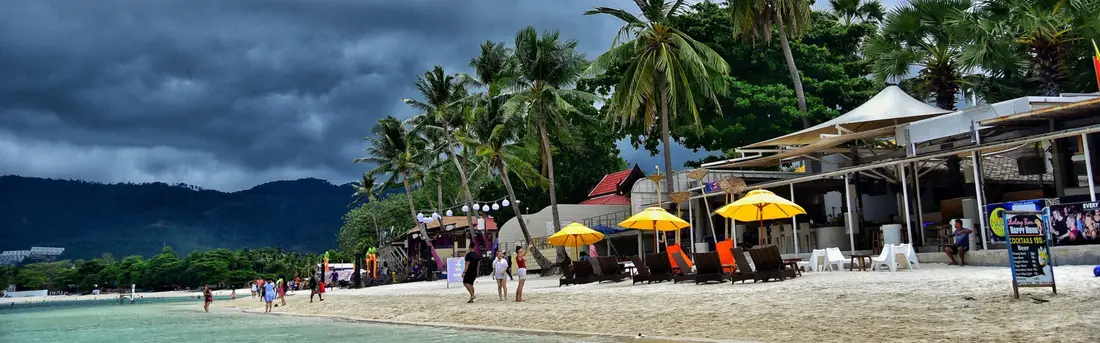
You've seen the photos: turquoise water, golden temples, bustling night markets, and breathtaking sunsets on the beach. But one thing is clear: Thailand is not a destination where "every month is the same."
If you travel at the wrong time, your dream vacation could turn into days of torrential rain, smoky skies, or sweaty hikes under the scorching sun.
There isn't one single worst month in Thailand. However, there are periods when certain plans simply don't work out as people expect.
Since the weather in the country varies dramatically depending on the region, it is crucial to know where and when to travel (or not to travel).
If you are looking for the best months instead, check out our complete guide to the best time to travel to Thailand.
When island trips are most likely to fail
Thailand has two island coastlines – and these do not follow the same rainy season calendar. Therefore, advice about the "worst months" in Thailand often sounds contradictory. Usually, it refers to the different coastlines.
Andaman Coast (Phuket, Krabi): September–October
Where: Phuket, Krabi, Phi Phi, Khao Lak, Similan Islands
The rainy season on the Andaman coast lasts roughly from May to October, with September and October being the most difficult months for island travel.
During this time, heavy monsoon rains and rough seas are common. Boat trips are frequently cancelled, and snorkeling conditions are poor.
The biggest problem isn't the rain itself, but the rough seas. Swimming can be dangerous, visibility is limited, and island hopping becomes unpredictable.
If beaches, snorkeling or water activities are the main reason for your trip, this is the most unreliable time of year for Thailand's west coast.
Related articles: Best time to travel to Phuket; Best time to travel to Krabi
The Gulf Coast (Koh Samui, Koh Phangan, Koh Tao): November
While the Andaman coast gradually dries out, the Gulf islands experience their wettest period in November.
Here, the rain can last for days, not just short afternoon showers. Ferry schedules can change, and your plans often depend on the weather that day.
If your island stay is short or tightly scheduled, this month could be frustrating. You might get lucky – or you might spend most of your time waiting out persistent rain.
Our advice: If your travel dates are fixed, you should consider changing the coastline or focusing more on cities rather than islands.
Related article: Best (and worst) times to travel to Koh Samui
And what about the rest of the rainy season?
For most travelers, this is the part that is exaggeratedly warned about, and the part that is actually quite manageable if expectations are realistic.
The Andaman coast experiences changeable weather from June to August, but it's quite manageable. It rains more frequently than during the dry season, but usually only briefly and not all day long. Boat trips may occasionally be cancelled, but many days are still suitable for beachgoing and snorkeling – especially if you remain flexible.
On the Gulf coast, the pattern is almost reversed. From June to September, islands like Koh Samui and Koh Phangan often experience lighter and sporadic rainfall. These months can be a good alternative if you want to avoid the peak monsoon season in the Andaman Islands – however, keep in mind that conditions change rapidly from November onwards.
Related article: Travel guide for the rainy season in Thailand
When Northern Thailand loses its landscape: Late February to early April
Where: Chiang Mai, Chiang Rai, Pai
From the end of February to the beginning of April, it is fire season in the north. During this time, agricultural fires fill the air with smoke and particulate matter.
The mountain panoramas of Doi Inthanon or the sunset views of Mount Suthep are often obscured by thick haze.
For sensitive travelers, breathing may be uncomfortable, eyes may water, and a smoky smell may linger, especially in the mornings and evenings.
Those hoping for clear mountain panoramas, sunrise perspectives or wide landscape shots will usually be disappointed at precisely that time.
For a short stay in the city, where you explore temples, cafes or the old city of Chiang Mai, the impact is minimal.
When heat becomes the main problem: April
April is Thailand's hottest month. Temperatures regularly rise above 35°C (95°F), and humidity is extremely high.
On days when you spend a lot of time walking, such as exploring the streets of Bangkok, the temple ruins of Ayutthaya, or trekking in Chiang Mai, you can quickly become exhausted.
Sightseeing isn't impossible in April, but your daily schedule will need to be adjusted. Outdoor excursions are best suited for early morning or late afternoon, with longer lunch breaks indoors. Full-day hikes are often impractical.
April also sees Songkran, Thailand's famous water festival. It's a lively and unforgettable cultural experience, perfect for those who enjoy crowds and festive atmosphere, but less suitable for those who prefer peace and quiet.
If "worst" means overcrowded and expensive: mid-December to early January
Thailand enjoys excellent weather during this time, but it's also peak tourist season. Hotels book up quickly, flights are more expensive, and the most popular destinations are overcrowded.
Those who need to watch their budget should plan carefully: last-minute bookings are usually more expensive.
Those who value quiet and flexible travel should be prepared for busy tourist attractions and limited spontaneity.
Tips for the peak season:
The experience isn't bad – it's just a little less relaxed, so good planning is key to enjoying Thailand during this peak season.
You can find more travel tips for planning a trip to Thailand here.
Quick decision table: When to avoid what
Our recommended “sweet spots”
If you are looking for the ideal time to travel – good weather, manageable crowds and fair prices – you should consider these months:
November is ideal: dry weather in the north, in Bangkok, and on the Andaman coast. There can be brief periods of rain on the Gulf islands at the beginning of the month, but it's quiet and prices are moderate – perfect for a road trip.
February and March are mostly dry and warm. Trekking tours in the north, island beaches, and city sightseeing are ideal. It's not overcrowded, and accommodation is easy to book.
June to August is the off-season: Afternoon thunderstorms are to be expected on the Andaman coast, while northern Thailand is lush and green, and the islands in the Gulf of Thailand are mostly sunny. Fewer tourists and lower prices make this time attractive if you are flexible with your travel dates.
These months do not guarantee perfection – they merely offer the greatest leeway for things to go well.
So when is Thailand most likely to be a disappointment?
A trip to Thailand is most likely to disappoint when:
If your plans are flexible or you take a leisurely pace, many of these phases are manageable.
Plan your Thailand trip with confidence
Whether you're looking for sunny beaches, breathtaking mountain views, or a vibrant city life – timing is crucial.
For personalized advice tailored to your travel dates, destination, and travel style, contact our Thailand travel consultants. We'll help you create an itinerary that delivers unforgettable experiences and minimizes surprises, allowing you to enjoy Thailand exactly as you wish.
Let our popular Thailand trips inspire you:




Community
Comments 0
Start the conversation.