March marks the beginning of the hot season in Thailand. At the start of the month, the weather is still pleasant. It is the last period with comfortable conditions in many parts of Thailand.
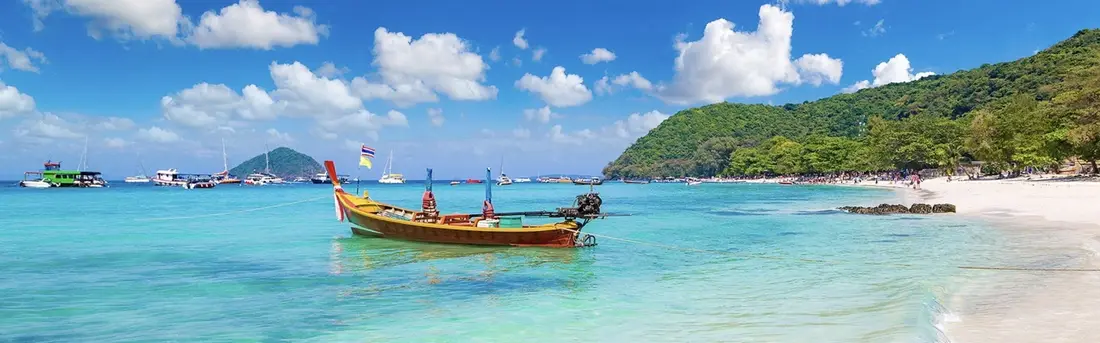
In March, the north is hot and dry, while the south is sunny and warm, making it perfect for beach holidays.
This travel guide will give you a realistic impression of how hot it actually feels, where March has its most beautiful aspects, and what you should pay attention to in order to keep your trip pleasant.
How hot is it in Thailand in March?
March is one of the hottest months in Thailand. It is dry and very hot.
In inland cities like Bangkok and Chiang Mai, daytime temperatures can reach 35–38 °C. The perceived heat is then 40 °C.
On the southern islands like Phuket and Krabi it is a bit cooler, around 30–34 °C, but the sun is just as strong.
Rainfall remains light, so sudden thunderstorms are rare. Be sure to drink plenty of fluids, use sunscreen, and plan outdoor activities for early morning or late afternoon.
Average temperatures and rainfall amounts in Thai cities in March
Data source: Weather Spark.
Is March a good time to travel to Thailand?
Yes! March is hot, but with good planning it's still a great month to travel. Do your outdoor activities in the early morning or evening and stay in shady or air-conditioned places in the afternoon.
March also marks the end of the peak season. From the middle of the month, the crowds thin out, so popular places seem less crowded than in January or February.
Prices are also starting to fall. Flights and hotels generally become cheaper from mid-March onwards.
Those seeking the best weather should choose early March. Those who prefer lower prices and fewer crowds will find mid to late March ideal.
Learn more about the best and worst time to travel to Thailand.
Chiang Mai and Northern Thailand: Hot days, cool mountain excursions
Northern Thailand warms up quickly in March.
In Chiang Mai and Chiang Rai, it is hot during the day, with afternoon temperatures reaching 35–38 °C. Mornings are cooler at 22–25 °C, so it is advisable to plan outdoor activities early in the morning to avoid the worst of the heat.
It is noticeably cooler at the top of Doi Inthanon. It offers a welcome respite from the daytime heat.
Mae Hong Son is pleasantly cool in the mornings and ideal for quiet viewpoints in the mountains to enjoy the scenery. Sukhothai is hotter during the day due to its flat location.
Important to know: The burning season reaches its peak in March, especially at the end of March. If you are sensitive to air pollution, a visit at the beginning of March is recommended.
Bangkok and Central Thailand: Hot and humid
Central Thailand is hot, dry, and sunny in March, making it a good time for sightseeing before the peak heat of April. Unlike the north, air quality here is generally good, although haze can occasionally occur.
In Bangkok and Ayutthaya, the mornings at the beginning of March are still bearable. By the middle of the month, however, the heat becomes unbearable. I still vividly remember my visit to Wat Arun in Bangkok at midday. The temple was breathtaking, but because of the intense sun and lack of shade, I decided against taking photos and immediately sought out a cooler spot.
To cool off, Kanchanaburi offers a variety of water sports – the floating houses and waterfalls are refreshing. When exploring the city, it's advisable to use air-conditioned transport and rest during the hottest hours (12 pm to 3 pm).
Southern Thailand: Perfect beach weather
You can expect clear skies, calm seas, and excellent diving and snorkeling conditions. Water temperatures are around 28°C and ideal for swimming. Ferries run regularly between the islands.
If you enjoy snorkeling or diving, now is the perfect time, especially along the Andaman coast (Phuket, Krabi, Similan), which boasts breathtaking dive sites. The Gulf coast, with Koh Samui and the surrounding islands, tends to be a bit quieter and is therefore ideal for families or couples seeking tranquility without sacrificing comfort.
The only challenge is popularity: beaches and resorts are crowded, and prices remain high. Those seeking a quieter experience should consider day trips to less frequented islands or boutique resorts on Koh Yao Noi or Koh Lanta.
The best travel destinations in Thailand in March
March is hot, but still a great month for exploration if you focus on cooler places like jungle areas and beaches.
Phuket and Koh Samui offer ideal beach weather, while Khao Sok promises refreshing water and jungle adventures. Culture enthusiasts should visit Bangkok, Chiang Mai, and Kanchanaburi at the beginning of the month, before the worst of the heat sets in.
Here you will find more tips for planning a trip to Thailand.
1. Chiang Mai – Cool Mountain Escape
In March, Chiang Mai is hot during the day with temperatures around 35–38 °C, while mornings and evenings are pleasantly cool at 22–25 °C. A visit in the early morning or evening is recommended.
Go to Wat Phra That Doi Suthep early in the morning to collect alms, or enjoy the sunset to experience Chiang Mai at its most beautiful.
Doi Inthanon is 5–8 °C cooler than the city, offering a perfect escape from the heat. A visit at the end of March allows you to admire the blooming flowers.
2. Bangkok – Hot days, lively nights
Bangkok is hot and humid in March, but it's still worth visiting if it's your first time in Thailand.
During the day, air-conditioned venues like the National Museum of Bangkok or a traditional Thai massage course ensure pleasant temperatures. On cooler evenings, night markets invite exploration, rooftop bars offer a place to relax, and boat trips on the Chao Phraya River are available.
3. Kanchanaburi – A refuge from the heat
March is hot, but the forested valleys of Kanchanaburi are pleasantly cool. Just two hours from Bangkok, it offers a welcome respite from the city heat.
Your oasis can be found at the seven-tiered Erawan Waterfalls, where you can swim in emerald-green water while tiny fish nibble at your feet.
It is wonderful to end the day with a peaceful stay in a unique floating hotel surrounded by nature.
4. Khao Sok National Park – Jungle Refuge
March is the perfect time to travel to Khao Sok. Because it's located in a rainforest, it's cooler there than on the southern islands.
This month you can expect the clearest lakes, the most dramatic limestone cliffs, and the most active wildlife.
Cheow Lan Lake reaches its lowest water level, making the water incredibly clear. A boat trip in the early morning or late afternoon is refreshing. In the evening, a pleasant breeze creates a comfortable atmosphere in a floating bungalow.
You can hike through the jungle and perhaps observe wild animals such as gibbons, leaf monkeys, and hornbills.
5. A southern island: Phuket or Koh Samui
March is ideal for both islands. The days are warm and sunny, the nights windy, and the sea breeze provides pleasant coolness.
Phuket is the perfect destination for those seeking activities and island hopping. It's the end of the peak season for the Similan Islands, and the clear waters are ideal for snorkeling. The sea around Phi Phi Island is also calm, making boat trips particularly enjoyable.
Those who prefer quieter beaches and a relaxed atmosphere will find Koh Samui ideal. March is perfect for private yacht trips and exploring the emerald lagoons of Ang Thong National Marine Park. The tranquil beaches and clear waters make the island an ideal travel destination.
What to wear in Thailand in March
March is hot and sunny, so light, breathable clothing is essential. Bring a hat, sunglasses, and plenty of sunscreen.
For evenings or northern areas like Chiang Mai, you should pack a light long-sleeved shirt or a thin jacket, as it can be cooler in the mornings and evenings.
If you are planning a visit to a temple, please bring modest clothing that covers your shoulders and knees.
Don't forget swimwear for beaches and islands, as well as comfortable shoes for hiking or jungle adventures.
Frequently asked questions about the weather in Thailand in March
Is it too hot to travel to Thailand in March? It is hot in March, especially in the north, where the afternoons are very humid. The southern islands are warmer but windier. It's best to plan your activities for early mornings or evenings to be comfortable.
2. Does it rain a lot in Thailand in March? No. March is still part of the dry season in most regions. Rainfall is minimal nationwide, and any brief showers – if they occur – are usually short and won't affect your plans.
3. Which part of Thailand offers the best weather in March? Southern Thailand offers the best weather in March. Phuket, Krabi, and Koh Lanta entice visitors with sunny days, calm seas, and ideal beach conditions. Koh Samui and the Gulf Coast are also warm and mostly dry. It is significantly hotter in the north, and occasionally hazy.
We would be happy to put together a customized March trip for you!
Please tell me your travel dates and your preferences for your travel experience. We will gladly help you plan an itinerary that avoids the heat and makes the most of Thailand's best weather.
Or let yourself be inspired by our private Thailand tours.




Community
Comments 0
Start the conversation.