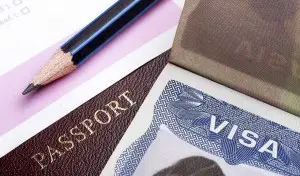
The B-1/B-2 tourist visa is for Thai citizens intending to travel to the United States and stay temporarily for tourism, business, or medical treatment.
US B-1 Visa
This visitor visa is for business purposes, such as business agreements or attending business meetings, business partner consultations, participating in contract negotiations or closing deals, and settlement and real estate.
US B-2 Visa
This visitor visa is for recreational purposes, such as visiting friends and relatives, or participating in social or service-oriented activities. Additionally, the B-2 visa is used for medical treatment in the United States. Often, both visas are issued as a single entity, known as the B-1/B-2 visa, because in some cases the purposes of these visas are related.
Requirements for a US tourist visa.
The U.S. Immigration and Nationality Act presumes all tourist visa applicants to be intent on immigration. Applicants must prove this presumption by demonstrating the following:
Preparing the necessary basic information and documents for a visitor visa application is equally important. These basic documents must be ready before submitting the application to avoid delays in visa processing.
Documents required when applying for a B-1/B-2 visitor visa.
5 Easy Steps to Apply for a US Tourist Visa
Key factors that can affect the success of a visa application.
The purpose of your trip, or the reason for your visit.
Visitors must provide sufficient evidence and reasons why they wish to visit the United States. U.S. visitor visas are issued only for leisure and business travel purposes. Applicants must provide an itinerary showing activities and a schedule during their stay in the United States.
Providing support and maintaining relationships with sponsors.
If an applicant is unable to adequately financially qualify for travel to the United States, they must have a sponsor. The sponsor must provide proof of their willingness to pay for the travel on behalf of the applicant. The U.S. Embassy wants to ensure that visitors do not wish to seek assistance from public funds in the United States.
While U.S. law allows for sponsors for visitor visas, applicants must prove the credibility of their relationship with the sponsor. For family members, birth certificates or marriage certificates must be provided. Additionally, proof of ongoing communication, such as photos, conversations, and emails, must be submitted.
Duration and location of stay in the United States.
When applicants intend to visit the United States, they must declare the duration of their stay and specify their return date to Thailand. The maximum stay in the United States under this visa type should not exceed 3 months.
Visitors must provide accommodation and bookings showing the location where they will be staying in the United States. If the purpose of the trip is to visit family members or relatives, the applicant must provide the family's U.S. address. This can be certified by an invitation letter or other document proving proof of address.
Having a job in your home country does not guarantee visa approval. Immigration officers also consider the length of your current and past employment, and your current salary.
Additionally, the duration of your requested visit to the U.S. will be considered, as immigration officers typically ask applicants who wish to stay longer than two to three months. It's crucial to consider your current employment and any permitted company leave. Therefore, you will need to provide employment certificates detailing your position, start date, current status, monthly or annual income, and vacation certificates. Presenting this evidence will serve as reference for immigration officers when reviewing your application.
Family obligations in Thailand.
Examples of family obligations include elderly parents who require your presence for care, and childcare responsibilities, especially when they are still in school. Applicants should provide official documentation demonstrating the family relationship, a letter from a physician explaining any significant medical conditions affecting dependent family members, and current school registration documents for the children.
You may receive a letter of support from a family member confirming that they will care for your loved one while you are away. This will help answer immigration questions about who will look after them if you go to the United States.
Personal assets and property.
It is less likely that an individual will flee if they own a house, property, or have significant funds in accounts in their home country. While financial assets are necessary to support a visit, proof of assets and financial property should be demonstrated to prove the applicant's ties to their home country. This proof might include ownership of real estate, businesses, or a home.
If you have previously traveled outside your home country and have not overstayed your permitted time, or your permitted stay has been monitored by immigration authorities, you are likely to have built trust with immigration officials that you will not overstay during your visit to the United States and that you will return to your home country after your vacation.
Contact Siam Legal
[column size='1/2']
LIVE SUPPORT
CALL
CHAT
Chat with our representative
From Thailand: Monday – Friday 4:00 AM – 6:00 PM (Bangkok time)
LEAVE US A MESSAGE
If you have a question related to US Visa Application in Thailand, please use this form to contact us.
Community
Comments 0
Start the conversation.