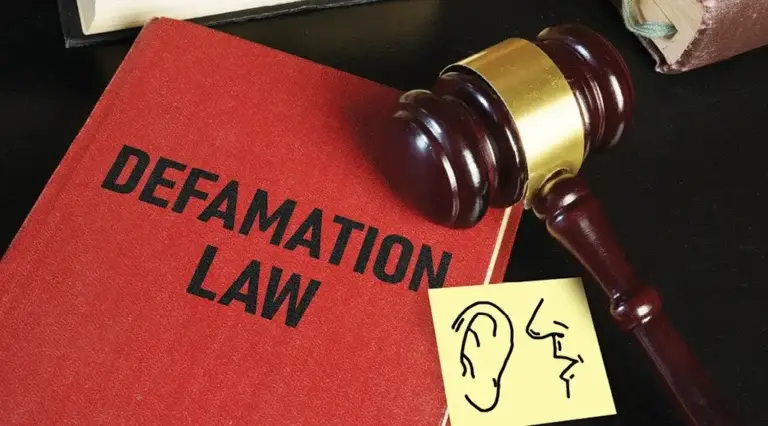
Whether intentional or unintentional, anyone in Thailand who makes a statement or spreads a rumor about someone that damages their reputation risks a defamation lawsuit. But that's not all. Defamation is severely punished under Thai law and, unlike in many other countries, can lead to criminal charges and even imprisonment.
In Thailand, even a single negative online review can lead to a defamation lawsuit. Therefore, you should take the necessary steps to protect yourself.
Read on to learn more about the dangers of a defamation lawsuit in Thailand and what steps you can take if you are accused by the police or sued by another party.
What is considered slander in Thailand?
Under Thai law, any statement that jeopardizes a person's job, income, or social reputation is considered defamation. Defamation can take various forms, from written statements (slander) to oral statements (slander).
Even statements published online or in print media can lead to defamation lawsuits. Remarkably, under Thai law, intent is irrelevant, meaning that one can be sued for defamation even for statements made without the intention of damaging someone's reputation.
For example, if you leave a negative review for someone, that person can take legal action if the review hinders their job search or ruins their life. Companies can also sue you for defamation if your statement or review damages their reputation, as their income depends on their public image.
In recent years, Thailand has seen several high-profile cases of tourists being arrested for defamation after leaving negative online reviews or comments about businesses. Although these cases are relatively rare, the risk is real.
What are the dangers of a defamation lawsuit?
Since public reputation is highly valued in Thai culture, defamation is a serious crime and can also give rise to civil claims. A conviction can result in fines and imprisonment. These consequences are in addition to the costs you may incur if the victim(s) file a lawsuit in another Thai court.
Depending on the nature of the defamatory act, you can be punished for criminal defamation in one of the following ways:
You may also be required to compensate the victim for loss of income, difficulties in employment, and other damages resulting from the defamation.
What to do if you are sued for defamation in Thailand
If someone accuses you of defamation, you can defend yourself in court and deny the accusation as the defendant. However, if you can prove in detail that your criticism was justified and made in good faith, you are not guilty of defamation. To do this, you must follow these steps:
Defending yourself against such accusations alone is more complicated and stressful. Therefore, it is important to seek professional help beforehand.
Hire an experienced Thai defamation lawyer.
To have the best chance of success in a defamation lawsuit in Thailand, consulting an experienced, bilingual Thai litigation lawyer is essential. All criminal and court proceedings are conducted in Thai, and there are no exceptions for non-Thai speakers who do not understand the language.
A lawyer who fully understands Thai defamation law and has experience defending foreign clients will provide you with the best possible defense in court.
Professional support from a qualified defamation lawyer in Thailand
If you are facing defamation charges or civil lawsuits in Thailand and wish to avoid fines and imprisonment, contact Siam Legal. As a full-service law firm with over 20 years of experience in Thailand, our experienced lawyers will ensure you receive the best possible solution for your situation and minimize the consequences.
Our bilingual civil and criminal lawyers offer you a comprehensive range of legal services for your defamation case, including:
With our lawyers by your side, you can rest assured that you can resolve this difficult situation as quickly and easily as possible. Contact Siam Legal today for a consultation.




Community
Comments 0
Start the conversation.