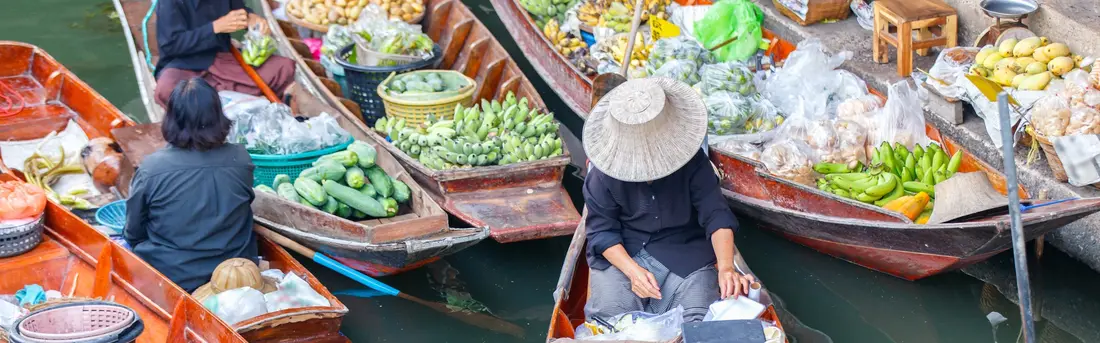
Bangkok is an attractive travel destination year-round, but that doesn't mean every month is equally enjoyable – especially if you want to avoid crowds or extreme heat. The time of year you travel can significantly influence your experience.
Are you wondering when it's less crowded around the Grand Palace? When the markets are lively but not overcrowded? Or whether the rainy season is really as bad as people say?
This travel guide will tell you when the best and worst time to visit Bangkok is depending on the season, what each month feels like on the ground, and how local festivals and travel costs change throughout the year – so you can plan a trip that suits your style.
Best/Worst times to travel to Bangkok
So when is the best time to travel? That depends entirely on what kind of experience you're looking for – cooler weather, fewer crowds, or cheaper prices.
Best time to travel for pleasant weather: November to February
If you want to enjoy Bangkok without melting in the heat, this is the place for you. Daytime temperatures typically range between 25 and 30 °C, humidity is lower, and evenings are cooler.
Even when the temples are crowded, the pleasant weather allows you to breathe freely. Feeling the cool breeze on a longboat ride is very refreshing, and the balmy evenings invite you to explore rooftop bars and night markets or stroll along the river.
The pleasant weather makes festivals like Loy Krathong, New Year's Day and Chinese New Year even more beautiful.
Tips on dealing with crowds and costs can be found in the detailed monthly guide in the "Cool Season" section below.
Best time for festival fun: April
If you love Thailand's famous Songkran festival or are traveling with children, April is the best time to visit. Bangkok transforms into one giant water fight, with locals and tourists alike splashing each other in the streets. It's a vibrant and unforgettable way to experience Thai culture and escape the heat for a few days.
It's great fun, but you should be prepared to get soaking wet, deal with the crowds, and endure the intense heat of 36°C to 39°C (95–100°F).
Best time for budget planning: June to August
For those looking for bargains and who don't mind a bit of rain, June to August is a good time to travel to Bangkok. It's the off-season, so hotel prices are significantly lower – often 40–50% cheaper than in the high season.
Even 4-star hotels in central locations like Sukhumvit or along the riverbank can be found for under US$60–70 per night, and domestic flights (e.g., from Bangkok to Chiang Mai) often cost only US$30–40. Massages are also a bargain – an hour-long Thai massage can be had for as little as US$7–10. Many restaurants and rooftop bars also offer great deals and happy hours, especially when there are fewer tourists.
Besides saving money, you'll benefit from shorter waiting times at top attractions, better photo opportunities, and an overall more relaxed atmosphere. Tips on how to deal with the weather can be found in the "Rainy Season" section below.
Worst time to travel: September to early October
If there's ever a time to avoid Bangkok, it's now. September and early October are the wettest months, with frequent, torrential downpours that can last for hours or even days. Flooding is common in some parts of the city. Streets turn into rivers, traffic becomes increasingly chaotic, and plans are often ruined.
Visiting temples means soaked clothes and slippery surfaces; longboat trips on the Chao Phraya River or the canals (klongs) are often cancelled or feel unsafe; many open-air markets, such as Chatuchak (weekends) or Chinatown, close early or have fewer vendors.
Overall, outdoor activities are severely affected, making it difficult to enjoy Bangkok's usual charm at the moment.
Worst time to travel for those sensitive to heat and air pollution: March
If it were just the heat – usually around 34–36 °C – March wouldn't be the worst time to travel. But combined with poor air quality and continued high prices, it's one of the least worthwhile months to visit Bangkok.
In March, Bangkok often experiences its worst air quality of the year due to slash-and-burn agriculture in northern Thailand and heavy traffic, with AQI values regularly exceeding 100 and sometimes even reaching 150. This makes sightseeing unpleasant and harmful to health.
In addition, hotel prices remain high due to the peak season.
It is better to come a month earlier (February) when the air is cooler and cleaner – or to wait until the end of April or May when prices drop and air quality improves.
If you are planning a longer trip that includes Chiang Mai, Phuket or the islands, take a look at our complete guide to the best time to travel to Thailand for a more comprehensive overview of the seasons.
Bangkok weather by season
Locals like to joke that Bangkok only knows three states: hot, hotter, and hottest – but officially there are three seasons: cool, hot, and rainy. Each has its own charm, and depending on what you're looking for, some months are better than others.
Cool and dry season (Nov.–Feb.) – Ideal for first-time visitors
If you're planning your first trip to Bangkok and are looking for the perfect blend of good weather and a vibrant atmosphere, now is the ideal time to go. Daytime temperatures typically range between 26 and 32°C, dropping to a pleasant 22 to 24°C in the evenings. The skies are usually clear, providing ideal conditions for sightseeing.
November is a wonderful time to travel – the temperatures have dropped and the air feels fresh after the rainy season. Furthermore, Loy Krathong, one of Thailand's most beautiful festivals, takes place then.
Since it is still the beginning of the high season, the crowds are not too large yet, so you can enjoy beautiful weather without the full tourist hustle and bustle.
Bangkok is extremely busy in December and January. Temples and shopping malls are packed with tourists, rooftop bars are overflowing, and prices skyrocket, especially around Christmas and New Year's. Those wanting to avoid the worst of the crowds should travel in early December or late January when it's a bit quieter.
February is pleasant – only slightly warmer (around 28–34 °C) – but less crowded. If Chinese New Year falls in February (which it often does), Chinatown comes alive with red lanterns, lion dances, and fantastic street food.
Traveling during peak season means you'll escape the crowds with us. Instead of swarming the bustling station market, you can comfortably travel by train and experience the city from a completely different perspective. We can arrange private trips on traditional longtail boats to explore Bangkok's hidden canals, or even a private massage if you're looking for relaxation and cultural immersion. We'll help make your Bangkok trip stress-free and unforgettable.
Hot season (March–May) – Scorching heat & Songkran fun
Then it gets really hot in Bangkok. The heat practically radiates from the asphalt, and even short walks feel like a workout. But if you plan it right, you can still enjoy the city.
The heat sets in in March (often 34–36°C, sometimes even higher), and air quality can deteriorate due to slash-and-burn agriculture in northern Thailand. If you are sensitive to heat or air pollution, this month may not be ideal for you.
April is the hottest month of the year in Bangkok. Daytime highs regularly reach 36–39°C and occasionally climb to 40–41°C. It's sweltering – but for a few days, Bangkok offers a welcome respite: Songkran (April 13–15), Thailand's world-famous water festival. Book early – it gets incredibly crowded, like Christmas.
May remains warm, but the first rain showers arrive – mostly short afternoon thunderstorms that bring some relief from the heat. Things become quieter, and hotel prices drop, making May a good time to travel if you don't mind a bit of heat and rain.
Insider tip: Be sure to plan breaks to cool down – Bangkok's shopping malls are air-conditioned oases. Or escape the city heat with a trip to Kanchanaburi, where you can swim in the Erawan Waterfalls and spend the night in a floating house in the valley – peaceful and surprisingly cool. And when you travel with us, we'll ensure your comfort in a private car with air conditioning, ice-cold drinks, and chilled towels or wipes. A true blessing in this heat.
Rainy season (June–October) – Wet, but budget-friendly
Don't let the term "rainy season" put you off. This time of year gives Bangkok a very special charm – lush greenery, fewer tourists, and the best hotel deals of the year. It's cooler than in the hot months, and the city slows down in a pleasant way.
The rain? It depends. At the beginning of the season, it's usually short and manageable. Later on, it gets heavier. Plan your trip flexibly and pack light rain gear – there's still plenty to do.
The months of June, July, and August mark the beginning of the rainy season. While it's mostly sunny, rain showers are short and heavy, usually occurring in the late afternoon or evening. Take advantage of the rain to visit a temple, a museum, or enjoy the cool air in Bangkok's vast shopping malls. Mornings are often dry and ideal for sightseeing.
From my own experience I can say: I once spent a whole week in Bangkok in August, and to my surprise it only rained once, the rain lasted less than an hour and did not affect my plans at all.
And if you fancy a short trip, the Erawan Waterfall in Kanchanaburi and the Khao Yai National Park are beautiful during the rainy season – the waterfalls carry a lot of water and the jungle is at its greenest.
September is typically the wettest month. Rainfall can become more frequent and unpredictable. It can rain heavily for hours, sometimes even days, leading to flooding in parts of the city. If you're traveling this month, choose a hotel in flood-safe areas like Sukhumvit or Silom. Frankly, if you have other options, it's best to avoid September altogether.
In October, the rain gradually eases off. It can still be rainy at the beginning of the month, but it becomes drier in the second half. The air feels fresher, the skies clear, and you can already sense Bangkok preparing for the high season.
Frequently asked questions about the weather in Bangkok
1. Which months are most expensive to visit Bangkok? December, early January, and April around Songkran are the most expensive times to travel to Bangkok.
2. Which months are cheapest to visit Bangkok? May to October is the off-season. You can find great deals on flights and hotels, especially if you don't mind a bit of rain and are planning indoor activities.
3. Can you enjoy Bangkok even in the heat? Absolutely. Thanks to air conditioning everywhere, rooftop pools, shady temples, and air-conditioned shopping malls, plus a chilled coconut in hand, you'll be perfectly fine.
4. Is it safe to visit Bangkok during the rainy season? Generally, yes. Rain showers are usually short. However, if you have limited mobility or are traveling with young children, you should avoid September due to flooding and slippery roads.
5. What should I pack for a visit to Bangkok? Lightweight, breathable clothing, comfortable shoes, a hat, sunscreen, a reusable water bottle, and a compact umbrella or raincoat for the rainy season.
Explore Bangkok with us
Ready to experience the authentic Bangkok? Whether you want to attend vibrant festivals or enjoy a peaceful getaway, we'll create the perfect itinerary to make your trip unforgettable. Contact us today and let's plan your Thailand adventure!




Community
Comments 0
Start the conversation.