Thailand, renowned for its vibrant culture, breathtaking landscapes, and exquisite cuisine, is actively committed to preserving a sustainable legacy for future generations. One notable initiative is the use of banana leaves instead of plastic packaging and plates – a promising approach in the fight against plastic waste. But that's not all. Discover more of Thailand's initiatives to protect its natural beauty and wildlife, and learn more about the ongoing efforts.
Replace plastic straws with bamboo straws
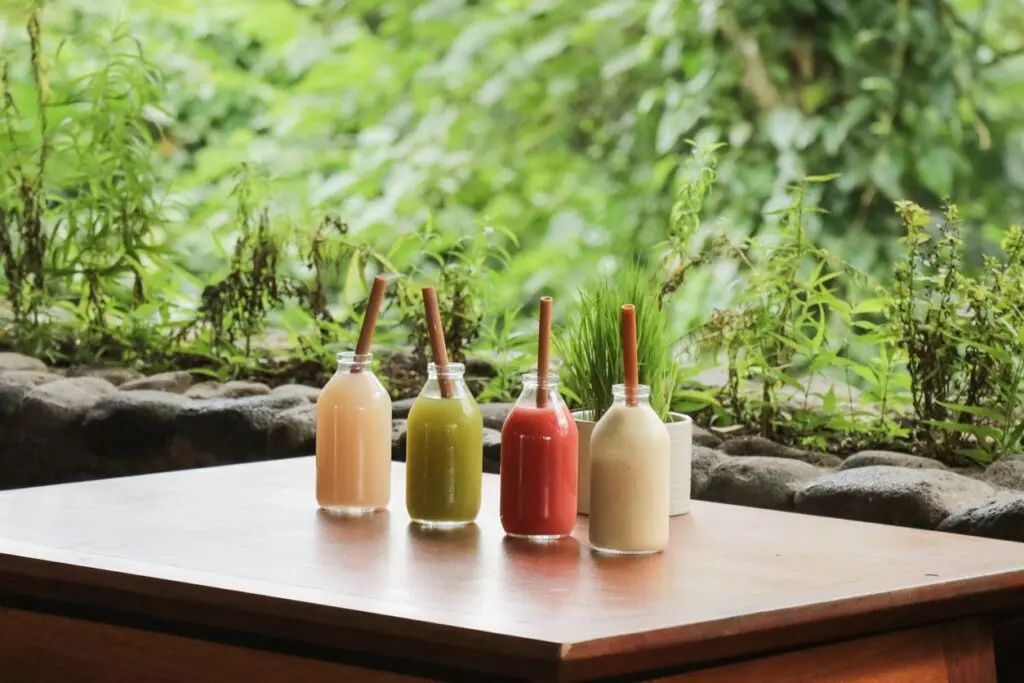
One way for countries to reduce their plastic waste is to find alternatives to plastic straws. In Thailand, bamboo straws have established themselves as a simple yet effective solution in the fight against plastic waste, particularly in the hospitality and tourism sectors. Because bamboo grows quickly and is renewable, these straws offer a biodegradable alternative to their plastic counterparts, which often pollute beaches and harm marine life.
By using bamboo straws in establishments of all kinds, from beach bars to luxury resorts, businesses throughout Thailand are reducing their environmental footprint and demonstrating their commitment to preserving the country's pristine natural landscapes. Whether in bustling cities or remote coastal villages, the sight of locals and tourists drinking from bamboo straws is a reminder of Thailand's efforts to foster a harmonious relationship between people and the environment.
Use of carrier bags
Even before fashion designers conquered the runways with tote bags made from Ikea bags or even Pringles cans, Thailand was at the forefront of this trend. Brands like Kwamsookxo (@kwamsookxo) offer a diverse selection of tote bags made from ethically sourced materials such as organic cotton and recycled fabrics. With their striking designs inspired by Thai culture and nature, these bags are not only practical but also a statement of style and sustainability. Beyond their aesthetic appeal, tote bags reduce the consumption of single-use plastics and promote reusable alternatives.
While Thailand grapples with the environmental impact of plastic pollution, the use of reusable shopping bags underscores the importance of conscious consumption in mitigating ecological damage. By supporting brands that prioritize sustainability, everyone can make a tangible contribution to protecting Thailand's natural heritage while also adopting a more eco-friendly lifestyle.
And most importantly, these reusable fashion accessories will make you look like an eco-fashionista in photos.
Use of banana leaves in fashion
The use of banana leaves in fashion has established itself as a promising, eco-friendly alternative that reflects Thailand's rich cultural heritage while addressing current environmental concerns. Inspired by nature, designers like Chakkrit Chimnok have pioneered the integration of banana leaves into fashionable designs, transforming them into stunning wearable works of art. Chimnok's creations break with convention, blending traditional craftsmanship with avant-garde design to create artful garments that celebrate the beauty and versatility of banana leaves.
While banana leaves are known for their strength, flexibility, and biodegradability, their functionality is questionable, as they become brittle when dried and are therefore unsuitable for regular use. Nevertheless, banana leaves hold the potential to offer a sustainable alternative to the fashion industry's reliance on synthetic materials and harmful production processes, and to reduce waste from fast-fashion providers. These designs invite us to reconsider the possibilities of sustainable materials in fashion and foster a deeper connection with nature, as well as a renewed appreciation for the beauty of the simplest resources.
Restaurants with a farm-to-table concept
In Thailand, the "farm-to-table" movement has gained significant momentum and fundamentally transformed the culinary landscape. It fosters a closer connection between diners and the origins of their food. Thanks to fertile soils and diverse farming methods, Thailand offers a wealth of regional ingredients – from vibrant tropical fruits to fragrant herbs and spices. Restaurants that focus on regional produce utilize this diversity and prioritize sustainability and supporting local farmers and communities.
Ginger Farm Kitchen in Chiang Mai, for example, prides itself on serving traditional northern Thai home cooking, just as grandmothers used to prepare it. The dishes are made with local ingredients, supporting small farmers and artisanal food producers who cultivate their products ethically and sustainably. With wonderfully fresh produce and a genuine love for nature, Ginger Farm Kitchen offers food lovers an authentic and unforgettable rural experience.
Beyond mere food preparation, these restaurants often integrate sustainable practices such as composting, organic farming, and minimizing food waste. This reflects a holistic approach to gastronomy that extends beyond simply consuming food. Through direct relationships with suppliers and seasonal menus, these restaurants celebrate the freshness and flavor of Thai cuisine while also committing to environmental protection.
In addition to bamboo straws and clothing made from banana leaves, Thailand is implementing numerous smaller sustainability initiatives, contributing to a greener future. From community-led conservation projects to government-funded environmental campaigns, Thailand is committed to preserving its natural heritage and mitigating the effects of climate change.
An initiative promotes environmentally friendly tourism practices and encourages visitors to explore Thailand's natural wonders responsibly. Ecotourism projects that prioritize environmental protection and the involvement of local communities are gaining popularity and offer sustainable alternatives to mass tourism.
Furthermore, initiatives to reduce plastic pollution, such as beach cleanups and campaigns for plastic-free products, are gaining importance nationwide. Joint efforts by government agencies, non-profit organizations, and local communities promote positive change and strengthen a culture of environmental protection.
Thailand's sustainability efforts are shaping a better and greener future for generations to come. From bamboo straws and clothing to numerous smaller initiatives, the country is focusing on innovative solutions to address environmental problems and promote sustainable development.




Community
Comments 0
Start the conversation.