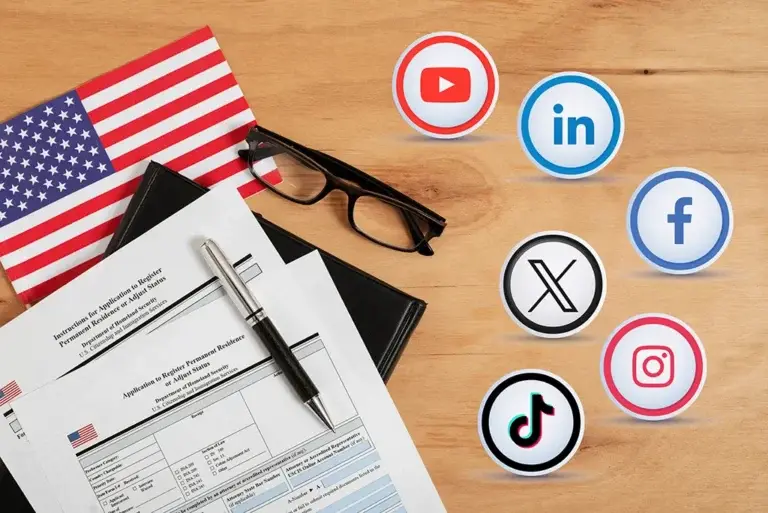
If you are applying for a US student visa or exchange visa from Thailand, including categories F, M and J, there is an important change you should be aware of: Consular officials are now using enhanced screening and verification procedures as part of the visa application review process.
This update follows a temporary suspension of student visa interviews between May 27 and June 18, 2025. Visa appointments have since resumed, but with significantly enhanced background checks on applicants, their online activity, and security risks, as announced by the U.S. State Department on June 21, 2025.
According to an official statement, consular officials will be scrutinizing publicly available online information, including social media, digital publications, and other online content. While applicants are not required to set all profiles to "public," insufficient access for verifying identity and activity may lead to processing delays or the request for additional documentation.
What consular officials will look out for
The officers are instructed to look out for the following:
Even posts you made up to five years ago (and in some cases even longer) could be flagged. Therefore, carefully check your account history.
Which platforms are being reviewed?
Most applicants focus solely on large platforms like Facebook or Instagram, but consular officials may search your entire online presence. This includes not only social media, but also blogs, comment sections, and lesser-known profiles that appear in search results.
Check your accounts on the following platforms:
If you use other platforms or have older accounts that you have forgotten about, take the time to check those as well.
What Thai students and exchange visitors need to know in 2025
The resumption of visa interviews for students is good news for Thai students planning to study in the US this fall. However, the new social media screening rules bring additional uncertainty and potential challenges. Here's what you need to know:
Consequences of keeping profiles secret
According to this policy, private or restricted profiles may be considered an attempt to conceal information. This can lead to delays, additional inquiries, or outright rejection, even if your documents and qualifications are otherwise satisfactory.
Political speeches could affect your visa.
The new review policy places a greater emphasis on political opinions, particularly those related to topics deemed politically sensitive or potentially security-related by U.S. authorities. Because the term "hostility" is broadly defined, posts criticizing U.S. policy, supporting certain movements (such as pro-Palestinian activism), or considered controversial can raise concerns. Even lawful and peaceful expressions, past or present, can now influence a visa officer's decision.
Access to job interviews may depend on your school.
Students admitted to US universities with an international student body exceeding 15% may face difficulties securing a visa interview appointment. Consulates have reportedly been instructed to prioritize applicants from universities with lower international student populations. This could disadvantage students applying to prestigious universities with international student bodies exceeding 15%.
Expect possible delays or rejections.
Due to stricter controls, visa applications may take longer, especially as officials are checking applicants' social media and online activity. Students are therefore advised to apply early and be prepared for questions during the interview. Even seemingly minor issues or controversial posts from the past can lead to longer processing times or, in some cases, even visa refusal.
Tips for Thai job applicants to avoid problems
To prevent unexpected problems, please follow these steps before applying:
Diploma
In the name of national security, new US visa regulations requiring social media activity screening have significantly complicated entry into the US for international students on F, M, and J visas. Applications are now subject to stricter scrutiny, raising concerns about the balance between security measures and the protection of freedom of expression and privacy.
Ultimately, Thai students, interns, and exchange visitors must comply with these rules. Failure to do so can result in visa refusal or even a permanent ban from entering the United States.
Anyone wishing to study, complete vocational training, or participate in exchange programs in the USA should research thoroughly online and act honestly and cautiously. Further information and current news can be found on the official website of the US Embassy in Thailand. Alternatively, you can contact Siam Legal, which will guide you through the US visa application process.
Contact Siam Legal
[column size='1/2']
LIVE SUPPORT
CALL
CHAT
Chat with our employee
From Thailand: Monday – Friday 4:00 – 18:00 (Bangkok time)




Community
Comments 0
Start the conversation.