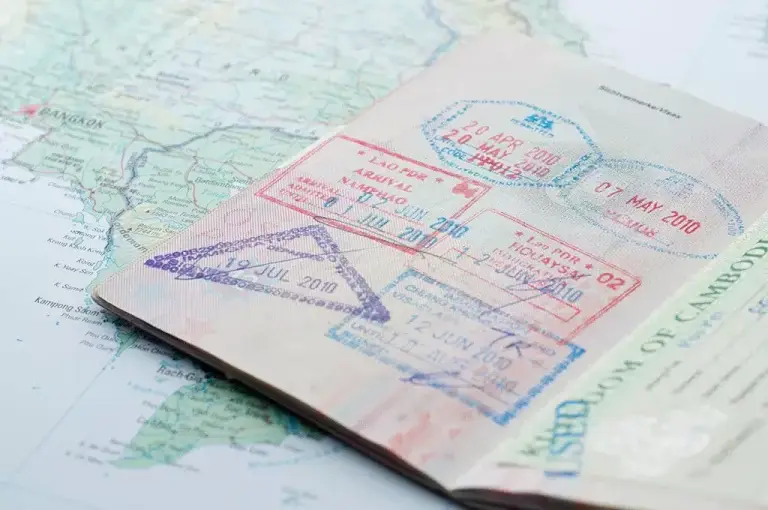
Since July 15, 2024, the new regulations for Thailand's Visa-on-Arrival program and visa waiver, announced earlier this year, have been fully in effect. These changes allow more people than ever before to visit Thailand without having to apply for a visa at the embassy in their home country. This supports the Thai government's goal of increasing the number of foreign tourists to 40 million by the end of the year.
This article explains the updates to both the Visa Waiver Program and the VOA Program, explains how visitors can benefit from them, and lists the eligible countries.
Thailand visa on arrival
To boost tourism, the Thai government has introduced a new system allowing citizens of 31 countries to apply for a single-entry visa upon arrival at certain border crossings (such as international airports). This is a significant expansion from the previous list of only 19 countries.
For just 2,000 baht, visitors can stay in Thailand for a maximum of 15 days and participate in all activities permitted with a regular tourist visa. Unlike visa exemptions, which we will discuss later, this visa can only be extended upon arrival in Thailand in rare cases, such as illness that makes travel impossible.
The following countries are eligible for the VOA program:
Anyone applying for a Thailand visa upon arrival must present the following documents at the entry checkpoint:
*The application form can also be filled out online on the website of the Thai Immigration Bureau.
Visa exemption in Thailand
This update to the entry requirements also increased the number of countries whose citizens are exempt from visa requirements, from 57 to 93. Citizens of these countries can now stay in Thailand visa-free for up to 60 days (previously 30 days). Nationals of eligible countries can simply travel to Thailand and will receive a "visa-free" stamp in their passport from the Thai immigration authorities, which then serves as their travel document.
The 60-day stay can be extended by a further 30 days (at the discretion of the Thai immigration authorities), allowing foreigners to stay in Thailand for a total of 90 days. This must be done in person at the Thai immigration office and is subject to a small fee.
Before the 90-day period expires, visa-exempt travelers have the option of applying for a new visa to extend their stay in Thailand. During their stay, foreign nationals are also permitted to undertake urgent or short-term work in the country and to work in the tourism sector.
The 93 countries that qualify for visa exemption include:
In addition, three countries have bilateral agreements with Thailand that allow foreign nationals to enter Thailand visa-free at international airports:
For entry into Thailand under the visa exemption, a passport is usually all that is required. However, the border official may request additional information that must be presented for entry approval. This includes:
Do you need help? Contact Siam Legal.
Should you have any further questions about these programs or their latest updates, please contact the Thai visa advisors at Siam Legal. Alternatively, if you have already gained a first impression of Thailand and would like to apply for a long-term visa, we offer expert support to ensure you obtain your visa quickly and successfully.
Siam Legal has professional teams of bilingual lawyers and visa advisors who have been assisting foreigners with immigration and legal matters for over 20 years. Do you or your family need support with immigration or legal issues in Thailand? We offer personalized advice and will find the optimal solution for your needs.
Contact Siam Legal today to get started!




Community
Comments 0
Start the conversation.