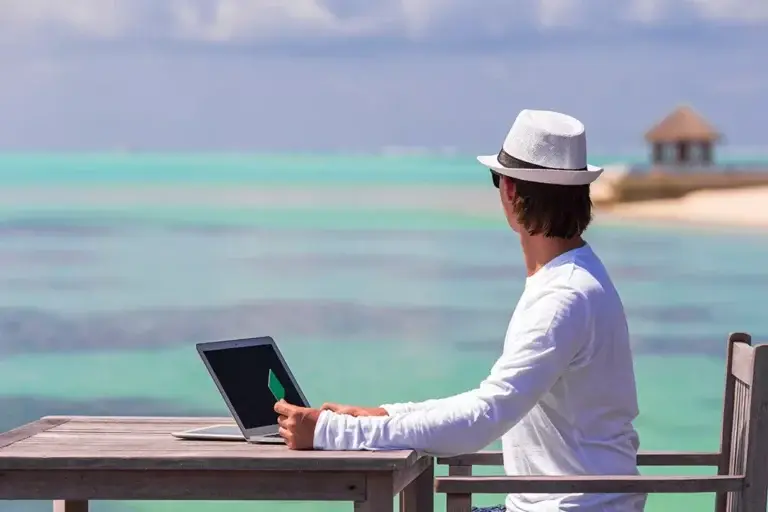
Living in Thailand as a digital nomad
If you work remotely for a company abroad or are self-employed and receive income from non-Thai sources, there are several ways to work as a digital nomad in Thailand. Thailand offers various visas and benefits that allow you to live comfortably in paradise while maintaining your existing employment and earning a foreign income.
This page will tell you how to legally work remotely in Thailand and how to make your stay in the Kingdom as a digital nomad comfortable, convenient and profitable.
The best Thailand visa for digital nomads in Thailand
If you plan to settle in Thailand or make it your second home, you will need a Thai visa for an extended stay. There are various visa types you can apply for if you intend to work remotely and earn your living during your stay.
Most visas allow you to work remotely with minimal restrictions, as long as your workplace is outside the country or, in the case of freelancers, your clients and income are exclusively from outside Thailand. To create the best possible conditions, you should choose a visa with remote work provisions that suits your lifestyle and goals.
If you are planning a longer stay, you should consider a renewable long-term visa so that you don't have to reapply every few months.
Visas that can make your life as a digital nomad easier include:
How to avoid staying too long in Thailand
Without one of the long-term visas mentioned above, you will need a short-term visa or a visa waiver for your stay in Thailand. Be sure to pay close attention to the validity period of your visa. Staying in Thailand longer than your visa's validity period is considered overstaying. Overstaying can result in fines and potential complications with future visa applications. However, you can avoid these penalties by:
However, please note that repeated applications for a tourist visa or entry through the visa waiver program can lead to denied entry. These entry permits do not authorize permanent residence, so the border official can refuse you entry if they suspect you are abusing the system. A long-term visa is the safest way to live in Thailand as a digital nomad.
90-day reporting requirement to the Thai immigration authorities
Submitting your 90-day report is mandatory so that the Thai government can update your address and residency status. You must report to the Thai Immigration Bureau after 90 consecutive days in the country. For some visas, such as the Thailand Elite Visa, you may be able to obtain external assistance to fulfill your reporting obligations.
Requirements can vary depending on the visa type. For example, with an LTR visa, you only need to report to immigration once a year. If you are not exempt from reporting, you can avoid this requirement by leaving the country no later than the 90th day of your stay and returning at least one day later to restart the countdown.
Finding a long-term stay in Thailand
Thailand offers numerous hotels, hostels, and holiday apartments for longer stays. Whether you're looking for basic accommodation or something more luxurious, Thailand provides a wide range of affordable options. Just be sure to find accommodation with a stable internet connection and a quiet working environment.
As a digital nomad, you should consider three types of accommodation:
Hotels/Resorts
For short stays, such as those with frequent travel within and outside of Thailand, a hotel or resort stay is ideal. If you prefer this option, you can reserve your room, specify your arrival and departure dates, and complete the booking through numerous online portals. Since rooms book up quickly, it's advisable to book before your flight to Thailand to avoid any problems upon arrival.
For longer stays, renting a hotel room can be very expensive due to the daily rates. Some hotels also require an end date for the rental and often limit the number of days that can be booked simultaneously.
Thailand also has numerous hostels offering affordable options for short- and long-term stays. However, these can be overcrowded, and their facilities and comfort may not be ideal for working digital nomads.
Long-term rentals
Long-term rental options like Airbnb, hotels, and vacation apartments are also available in Thailand, offering weekly or monthly rentals. Staying through Airbnb can be cheaper than a hotel, especially for longer stays, and is therefore more cost-effective in the long run. Airbnbs also offer a homey atmosphere with additional amenities and spaces (such as a kitchen), making you feel right at home.
Another option is to rent a room in a shared apartment. These are available throughout Thailand, spread across apartments, condominiums, and houses. While a rental agreement is required, you'll enjoy amenities typically found only in permanent accommodations. A major advantage of shared apartments is the opportunity to live with roommates. This provides chances to get to know each other, and the shared expenses reduce the cost of rent.
Buying or renting your own apartment in Thailand
Under Thai immigration law, foreigners can buy or rent a condominium regardless of their visa status. Condominiums are offered nationwide by real estate agents. However, it is important to choose a reputable agent who offers the property at a reasonable price. Before purchasing a condominium, you should consult a licensed real estate lawyer to have all contracts you are expected to sign reviewed.
Where to work as a digital nomad in Thailand
Even though you'll be working mostly from your accommodation, there are other places with a pleasant working environment. Throughout the country, you'll find cafes with a similar atmosphere, good internet connections, and no time limits. This is ideal for you, whether you're working for a foreign company, as a freelancer, or self-employed.
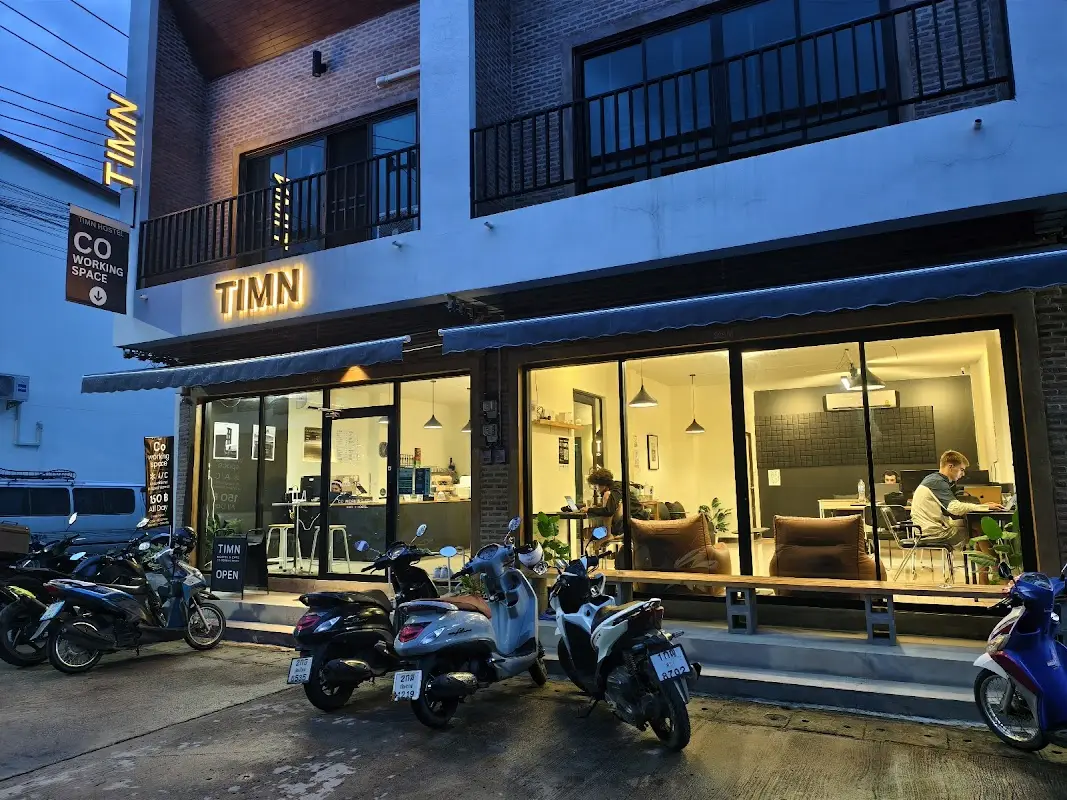
If a public workspace doesn't appeal to you, you can also rent or join a coworking space. These can be found in many locations throughout Thailand, from offices to shopping malls. They are generally quieter than public cafes, allowing you to work undisturbed. With the Thailand Elite Visa, you can book coworking spaces for free or at a significantly reduced rate.
Opening a bank account in Thailand
To keep your money safe and readily available during your stay in Thailand, you should open a Thai bank account. This is possible with a tourist visa and offers greater convenience for storing your funds, making purchases, and receiving your salary. Opening an account can be complicated, so it is advisable to seek professional assistance.
Some institutions also offer online banking, allowing you to keep track of your finances across different locations and time zones and pay bills without interrupting your work. It also becomes easier to receive foreign income and transfer currencies.
Taking out health insurance
Thailand's healthcare system is relatively inexpensive compared to other countries, but unexpected hospital stays can still be costly without adequate insurance coverage. Whether you need travel or health insurance, Thailand offers numerous insurance companies with tailored policies for digital nomads. However, be aware of insurance fraud, which is prevalent throughout Thailand, to protect your personal data.
What digital nomads need to know about taxes in Thailand
Due to recent changes to Thai tax laws in 2024, you are now required to pay taxes on all foreign income you bring into Thailand. However, this only applies if you are a tax resident of Thailand, meaning you spend at least 180 days in Thailand during a calendar year.
A new rule has also been proposed that would tax your foreign income regardless of whether you have transferred it to Thailand or not. While this new tax rule is not yet in effect, it is expected to come into force in 2025. If you are having difficulty understanding the Thai tax system, want to calculate your tax liability, or need help completing your tax return, a Thai tax lawyer can provide valuable assistance.
Contact Siam Legal for professional assistance with your visa application.
Do you want to live in Thailand as a digital nomad? Then contact Siam Legal and receive professional support with your Thai visa application. As a full-service law firm and visa consultancy with over 20 years of experience, our consultants have the necessary know-how and expertise to secure you a visa that meets your goals. Whether you work remotely, are self-employed, or a freelancer – we ensure that you can live and work in Thailand without any problems.
Contact Siam Legal today so you can enjoy a straightforward and fulfilling life as a digital nomad in Thailand.
Frequently asked questions about digital nomads in Thailand
Do I have to leave Thailand as soon as I stop working?
In most cases, you don't need to leave the country once you've finished your work, provided your visa is still valid. However, this depends on the type of visa you have. Some visas, such as the Thailand visa, require you to continue working or being self-employed to avoid cancellation.
Do I need to learn Thai to be able to live in Thailand?
No, you don't need to learn Thai to live in Thailand, and you can easily get by with English. While basic Thai is helpful for overcoming language barriers (especially with government agencies), locals generally speak English well enough to converse with you. There are also bilingual lawyers or translators you can hire to handle your legal and immigration matters more efficiently.
Can I bring family members with me to Thailand?
Yes, family members can accompany you on your trip to Thailand, but they will most likely need their own visa. Visas such as the DTV, LTR, and Thailand Elite Visa (depending on your membership) allow you to include specific family members in your application, so you don't have to deal with different visa requirements and durations.
Can I, as a digital nomad, apply for a permanent residence permit?
No, digital nomad status is not sufficient to obtain permanent residency in Thailand. To apply for such a visa, you need, among other things, a non-immigrant visa (e.g., a business visa), which you must hold for several years.
Can I work for a Thai company?
No, you cannot find employment in Thailand as a digital nomad. If you want to work in Thailand, you need an LTR visa (through the Work from Thailand program).



Community
Comments 0
Start the conversation.