
Whether you are planning a short visit or considering a longer stay, understanding the practicalities of daily life is key to making the most of your time in Thailand.
On this page you will find all the important information – from choosing the right visa for entry to managing your finances abroad and local rules of conduct that will help you avoid unnecessary conflicts and travel complications.
Entry to Thailand
Thailand offers various entry options, some of which depend on your nationality and the purpose of your stay. If you do not have the required entry documents, you may be refused entry.
Short-term stays
If you are visiting Thailand as a tourist, you may be eligible for the Thai visa exemption. This allows you to stay in the country for up to 60 days (with the possibility of extending for another 30 days) without a visa.
However, if you do not meet the requirements for this program but are planning a shorter stay, you may be eligible for the Thailand Visa on Arrival, which allows you to stay in Thailand for up to 15 days.
However, if you are not eligible for any of the above programs, you will need to apply for a tourist visa for Thailand. This entitles you to a stay of up to 60 days in Thailand, with the option to extend this for another 30 days at the nearest immigration office.
Long-term stays
If you are planning to settle in Thailand long-term, below is a list of visas you can choose from:
Travel and health insurance
Although travel insurance is not mandatory for most visitors, it is highly recommended as it can protect you from unexpected medical expenses, travel delays or loss of luggage that could disrupt your plans in the country.
If you are planning a longer stay, you may need health insurance in Thailand to meet the requirements for certain visas, such as the Thailand Retirement Visa.
health system
Healthcare in Thailand is generally affordable for outpatient treatments and minor illnesses. However, hospital stays can be significantly more expensive, especially in private clinics with modern facilities and English-speaking staff. Public hospitals offer a cost-effective alternative, but patients may experience longer waiting times, fewer amenities, and language barriers.
Time zone
Thailand is in the GMT+7 time zone and does not observe daylight saving time. This means the time remains the same all year round. Upon arrival in Thailand, remember to adjust your watches, smartphones, and other devices to the local time zone.
National currency
The national currency in Thailand is the Baht (THB). Below is a brief overview of the different forms of the national currency:
Due to inflation, satangs are rarely used in everyday life, but they can occasionally be found in price tags in convenience stores and on certain bus fares.
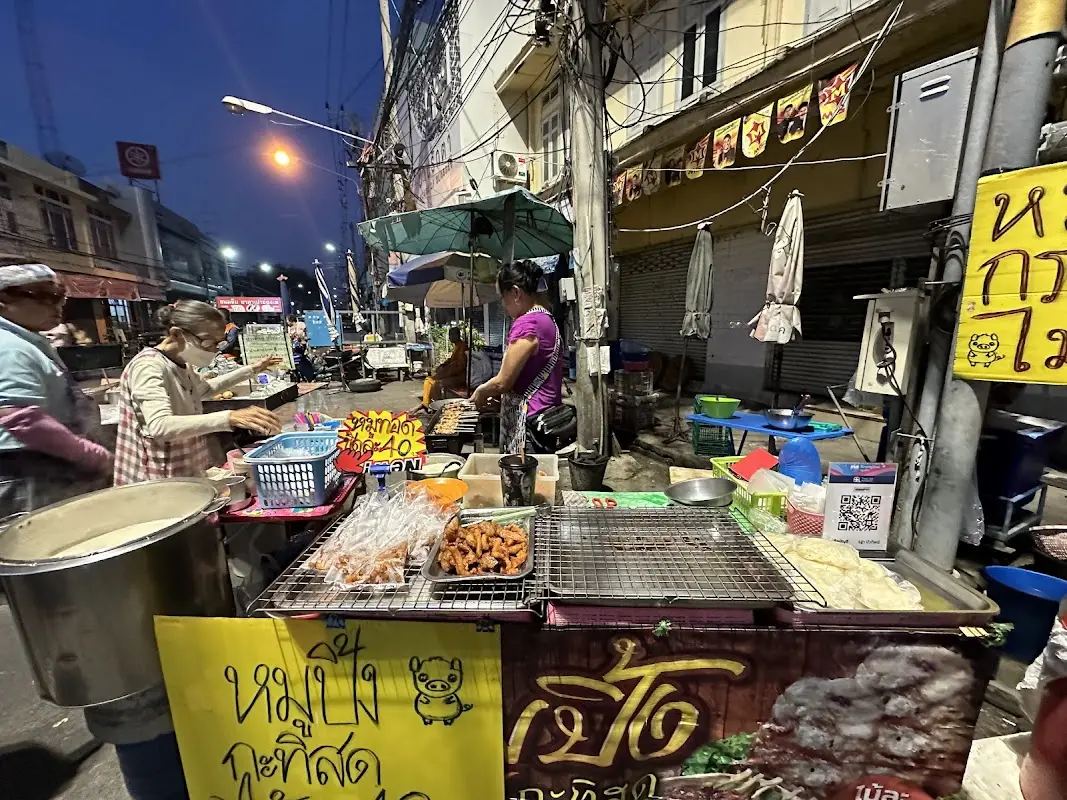
In Thailand, you can get by with most major credit cards, as they are widely accepted. However, it's advisable to always carry some cash to pay for things like taxis or street vendors, who may not accept electronic payments (at least not foreign ones).
There are numerous currency exchange offices in Thailand, especially in urban areas. However, caution is advised when using exchange offices in tourist hotspots outside of Bangkok. Due to high demand in these remote areas, exchange rates are generally less favorable.
VAT refund
In Thailand, a 7% value-added tax (VAT) is levied on a wide variety of goods and services. However, tourists are eligible for a refund on certain purchases, which can save you money, especially if you plan to shop during your stay in Thailand. To claim this refund, you must meet the following criteria:
In Bangkok and at international airports, there are VAT refund counters everywhere. Therefore, allow extra time before your flight to collect your refund and keep all receipts for goods and services for which VAT was charged.
Income tax
Your tax obligations in Thailand depend on factors such as your residency status, your sources of income, and any recent changes to regulations regarding the taxation of foreign income. Short-term visitors don't need to worry about this, but if you stay in Thailand for an extended period, you may be liable for income tax if any of the following apply to you:
Opening a Thai bank account
Opening a Thai bank account offers numerous advantages that simplify the complexity of everyday financial transactions.
One disadvantage of a foreign bank account is that additional fees may apply for money transfers, withdrawals, or the use of foreign credit cards in Thailand. Furthermore, there is a risk that the bank will block your card if unusual activity is suspected, which could cause you problems abroad.
With a Thai bank account, you can use mobile banking apps, which are widely available in Thailand. These apps allow you to pay bills, transfer money, and manage your finances on the go. Most transactions can be carried out easily and free of charge using a QR code on your smartphone – much more convenient than with international banks. Since mobile banking apps are so commonplace in Thailand, the absence of such an app may limit your options for certain transactions.
Depending on which long-term visa you apply for, you may also need a Thai bank account to meet certain eligibility requirements.
Buying property in Thailand
Foreigners can purchase real estate in Thailand, but only certain types. While ownership of condominiums is legal, it is limited to 49% of the building's total usable floor space. The remaining 51% must be owned by Thai citizens. Therefore, one can own multiple apartments in a building, but not more than half of a condominium complex.
For other types of real estate, such as land and houses, you can enter into a 30-year long-term lease agreement that is renewable and effectively grants you control over the property. It is also possible to purchase buildings constructed on land owned by Thai nationals.
Thailand etiquette
Culture and respect play a central role in everyday Thai life. Whether you visit temples, eat with locals, or explore the country, understanding Thai customs can enrich your encounters and help you avoid unintentional misunderstandings.
Dos in Thailand
Things to avoid in Thailand
Cigarettes
Tipping is not mandatory in Thailand, but it is appreciated as a sign of gratitude. Leaving a small amount of change in a restaurant or rounding up the taxi fare is a polite way to express your appreciation for the service. Although tipping is not expected, it significantly contributes to acknowledging good service and creating positive experiences during your stay in Thailand.
drinking water
In Thailand, tap water should be avoided, as it is considered unsafe and unhygienic due to old pipes, inadequate treatment, and potential sewage leaks. Filtered or bottled water is recommended instead. Industrially produced ice is generally safe, but caution is advised when buying crushed ice from street vendors.
prostitution
Prostitution is a complex issue in Thailand. Although it is widespread in certain areas, particularly tourist hotspots like Bangkok, Pattaya, and Phuket, prostitution remains illegal under Thai law.
Engaging in or soliciting such activities can lead to fines, legal consequences, and even imprisonment. Thai authorities also occasionally conduct raids to enforce the law, particularly in areas known for commercial sex work.
Against this backdrop, a draft law to legalize prostitution in Thailand was presented in March 2023, but it has not yet come into force. Therefore, prostitution remains a notorious and risky area in Thailand.
Start your life in Thailand with Siam Legal
If you are planning a short stay, an extended trip, or even a long-term stay in Thailand, contact Siam Legal International. We are a full-service law firm and visa consultancy with over 20 years of experience assisting local and international clients with their immigration and legal matters in Thailand. Our services include:
For a smooth and stress-free start to your Thailand trip, don't hesitate to contact Siam Legal and schedule a consultation now!
Frequently asked questions about living in Thailand
Do I need a visa to enter Thailand?
Most visitors need a tourist visa for Thailand if they wish to enter for tourism purposes, unless they meet the requirements for visa exemption or a visa on arrival. However, those who wish to settle in Thailand or live there long-term require a long-term visa.
What time zone is Thailand in?
Thailand operates in the GMT+7 time zone and does not observe daylight saving time. Therefore, be sure to set your devices to the local time upon arrival in Thailand.
How can tourists in Thailand apply for a VAT refund?
Tourists can claim a 7% VAT refund on purchases made in participating stores by submitting the "Tourist VAT Refund Application" form along with their passport and receipts for the purchased goods to a Thai VAT refund counter (at international airports).
Is tipping customary in Thailand?
Tipping is not mandatory in Thailand, but it is appreciated. Leaving some small change in restaurants or rounding up taxi fares is considered a polite gesture for good service.
Can I drink tap water in Thailand?
Tap water in Thailand is not safe to drink due to old pipes, inadequate treatment, and potential sewage leaks. It is recommended to drink treated or bottled water. Water dispensers and bottles are available in most places.
Is cannabis legal in Thailand?
Cannabis flowers are legal for medicinal and recreational purposes, and products with less than 0.2% THC are decriminalized. However, public consumption is prohibited and can be punished with fines of up to 25,000 THB.
Can I, as a foreigner, open a bank account in Thailand?
Yes, foreigners can open a bank account in Thailand. A local account reduces fees for international transactions, simplifies financial management, and is sometimes required for long-term visas. However, since your visa may complicate the account opening process, it is recommended to use an account opening service to ensure success.
Community
Comments 0
Start the conversation.