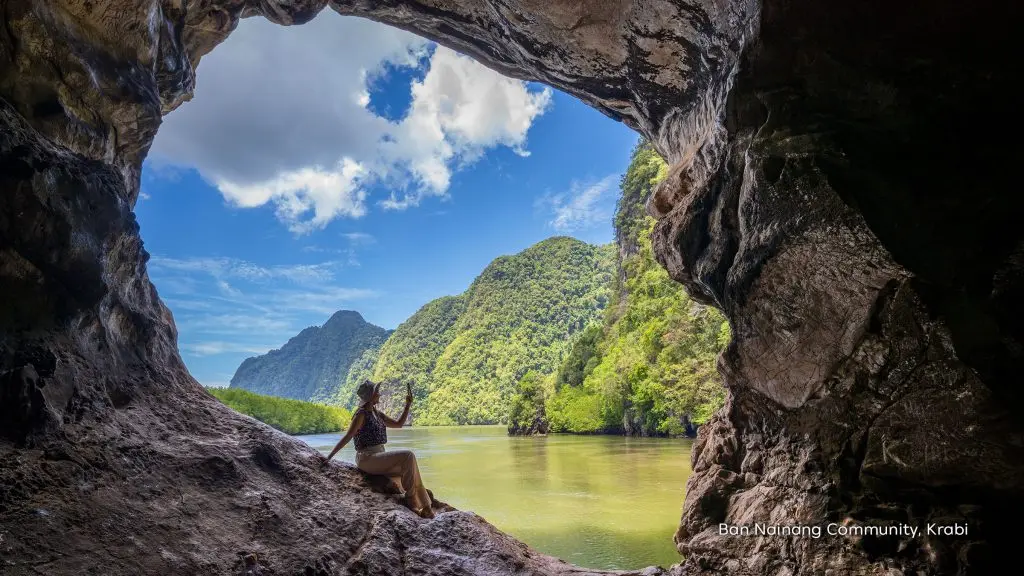
From spectacular limestone cliffs and turquoise lagoons to community-organized adventures and natural wellness experiences, Krabi shows how sustainable tourism can make a holiday even more rewarding.
With its dramatic limestone cliffs, white sandy beaches, and emerald-green waters, Krabi has long been considered one of Thailand's most beautiful holiday destinations. But beyond the famous beaches and island-hopping tours, this spectacular stretch of coastline in the Andaman Sea is developing into a pioneer in sustainable tourism.
Through the Tourism Authority of Thailand's (TAT) Krabi Prototype Initiative, the region is helping to redefine what a great holiday looks like – a holiday where protecting nature, supporting local communities and personal well-being are just as important as a beautiful environment.
For Australian travelers increasingly seeking meaningful experiences and more sustainable ways to explore the world, Krabi offers the best of both worlds: natural beauty, comfortable accommodation, and the opportunity to make a positive contribution.
A new approach to sustainable tourism
Krabi, home to famous destinations like Railay Beach, the Phi Phi Islands, and Maya Bay, attracts visitors from all over the world. The challenge lies in ensuring that tourism continues to benefit local communities while protecting the region's unique natural environment.
The Krabi prototype project brings together tourism companies, local businesses and communities to develop more responsible travel experiences – from community-organized tours and environmental protection projects to sustainable accommodation and nature-based wellness activities.
The initiative gained international attention in September 2025 when Krabi and Bangkok jointly hosted the Global Meaningful Travel Summit, organized in partnership with the non-profit organization Tourism Cares.
Representatives from the international travel industry visited local communities such as Laem Sak and Ban Nai Nang and learned how traditional crafts, waste management initiatives and locally operated tourism experiences contribute to creating a more sustainable future.
Krabi's successes are already gaining recognition. The Khlong Thom hot springs were included in the 2023 list of the 100 most important green travel success stories, and local tourism businesses are increasingly focusing on sustainability standards and environmental certification programs.
Wellness in nature: A different kind of luxury
Luxury travel is changing. For many vacationers, the ultimate indulgence is no longer simply a five-star hotel or a private pool, but the opportunity to unwind, reconnect with nature, and return home refreshed.
This philosophy is reflected in TAT's approach "Healing is the new luxury", which puts well-being and restorative travel experiences at the heart of a holiday.
Visitors can relax in mineral-rich hot springs amidst tropical forests, paddle quietly through mangrove waterways, or simply enjoy the more leisurely pace of life on one of the region's beautiful islands.
The Khlong Thom thermal springs offer a wonderfully relaxing experience in their naturally heated mineral pools, nestled amidst a lush forest. They are the perfect alternative to a traditional spa treatment, combining wellness with the beauty of nature.
For Australians looking to escape the pressures of everyday life, these simple, nature-based experiences can be just as rewarding as a stay in a luxury resort.
Explore the mangroves and local communities of Krabi.
Some of the most unforgettable experiences in Krabi can be found away from the famous beaches.
In Ban Thung Yee Peng, visitors can explore the peaceful mangrove forests on guided kayak and boat tours led by locals. Along the way, the guides share their knowledge of coastal ecosystems, wildlife, and the vital role mangroves play in protecting the coast and storing carbon.
On Ko Klang, a traditional island community near Krabi Town, travelers can discover a different side of local life through demonstrations of handicrafts, traditional weaving, fishing activities and authentic southern Thai cuisine.
The coastal community of Laem Sak offers another way to experience Krabi off the beaten tourist track, with locally guided boat trips, cultural encounters and fresh seafood.
These community-oriented experiences allow visitors to develop a deeper connection with the destination while ensuring that tourism revenue directly benefits the people who live in Krabi.
Discover the marine conservation efforts in Krabi
Krabi's spectacular marine environment is one of the region's biggest attractions, and its protection is central to the region's efforts towards sustainable tourism.
Around islands like Ko Ngai, small marine conservation initiatives create opportunities for visitors to learn about reef conservation and, where programs are available, to participate in activities such as reef monitoring and coral restoration.
Instead of simply admiring the underwater world, travelers can gain a better understanding of the challenges coral reefs face and the measures being taken to protect them.
For those who enjoy snorkeling, diving or simply spending time on the water, choosing responsible maritime tourism providers is another way to help preserve Krabi's beautiful coastal scenery.
Even popular attractions like Railay Beach are adopting more sustainable approaches, with tourism companies increasingly integrating environmentally friendly practices into climbing trips, boat tours and other outdoor adventures.
Travel better, experience more
Krabi's approach to sustainable tourism proves that responsible travel does not mean having to forgo comfort, adventure, or unforgettable experiences.
In fact, a holiday can be even more rewarding if you take the time to slow down and explore the local area extensively.
Visitors can combine a relaxing beach holiday with a few days exploring the forests and hot springs in the interior, take part in a mangrove tour led by the local population, or discover the region's cultural heritage through traditional food and crafts.
For Australian travelers, Krabi can easily be combined with a holiday in Phuket or explored as a standalone destination; flights are available via the main Thai hubs.
The best time to visit Krabi is generally from November to April, as conditions on the Andaman coast are usually drier and calmer then, making it ideal for island excursions and outdoor activities.
While Thailand is continuously developing more sustainable tourism experiences, Krabi is leading the way – proving that the most rewarding holidays are those that give visitors wonderful memories while also helping to protect the places they want to visit.
Based on the original article by the Tourism Authority of Thailand, Krabi Prototype: Where Sustainable Tourism Becomes the New Luxury, published on September 22, 2026.




Community
Comments 0
Start the conversation.