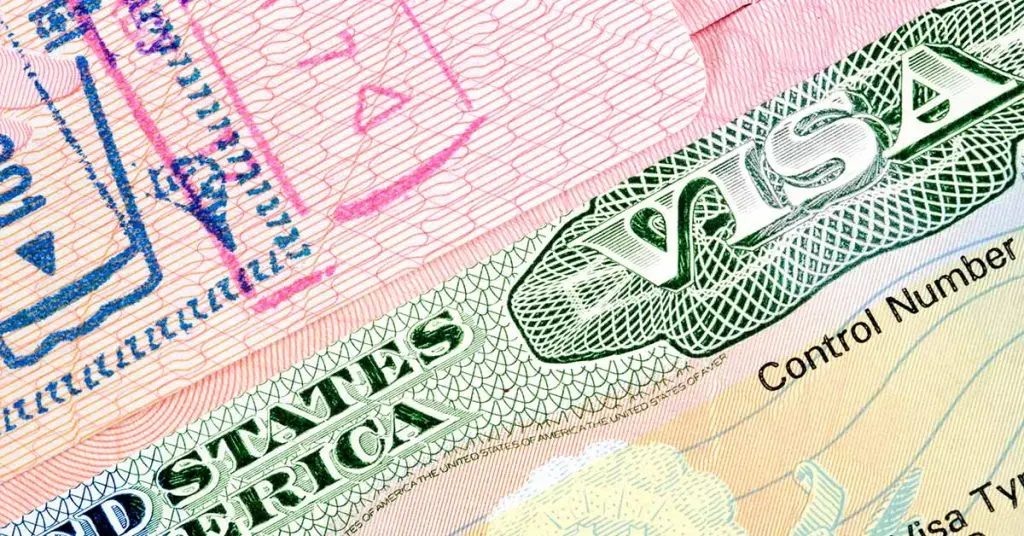
The journey to reunite with a loved one through the K1 visa process can be both exciting and challenging. As a law firm in the heart of Bangkok, we understand the importance of a smooth and efficient K1 visa application. In this article, we offer a simple and practical guide to the K1 visa application process for Thailand, providing you with all the essential information you need for a successful outcome.
Understanding the K1 visa
The K-1 visa, commonly known as the fiancé(e) visa, is for the foreign fiancé(e) of a U.S. citizen. This visa allows the couple to stay in the United States for a limited period while the marriage is expected. The process involves several steps, and understanding the timeline is crucial for planning and realistically anticipating the upcoming wedding.
The K-1 visa application process includes specific eligibility requirements for both the applicant (the U.S. citizen) and the beneficiary (the foreign fiancé(e)). Meeting these requirements is crucial for a successful application. Here are the key eligibility criteria for both parties:
Applicant (US citizen)
Beneficiary (foreign fiancé(e))
Intention to marry: Like the applicant, the beneficiary must also have the serious intention to marry the US citizen applicant within 90 days of entering the United States.
Meeting these requirements is essential for a successful K1 visa application. Both applicants and beneficiaries must submit accurate and complete documentation throughout the entire application process. Legal counsel can also help to manage any complexities and ensure a smooth K1 visa application process.
K1 visa timeline
1. Submission of the application
The first step in the K-1 visa process for Thailand is submitting Form I-129F to U.S. Citizenship and Immigration Services (USCIS). This form verifies the U.S. applicant's eligibility and intent to marry within 90 days of their foreign fiancé(e) entering the U.S. The processing time for Form I-129F varies but is typically several months.
2. Processing time at USCIS
Once an application is submitted, USCIS reviews it, conducts background checks, and assesses the eligibility of both the applicant and the beneficiary. While USCIS strives to process applications efficiently, delays can occur due to various factors. It is recommended that you visit the USCIS website for the most up-to-date processing times.
3. Processing by the National Visa Centre (NVC) and the Embassy
Once the I-129F application is approved, it is forwarded to the National Visa Center (NVC) for further processing. The NVC then transfers the case to the U.S. Embassy or Consulate in Bangkok. At this stage, the foreign fiancé(e) must complete the required forms and undergo a medical examination.
4. Visa interview and approval
A crucial step in the process of applying for a K-1 visa for Thailand is the visa interview at the US embassy. During the interview, the consular officer verifies the authenticity of the relationship and the applicant's eligibility. If everything goes well, the visa is granted and the fiancé(e) receives the visa documents for travel to the United States.
5. Trip to the USA and marriage
Once the K-1 visa is issued, the fiancé(e) can travel to the United States. It is important that the marriage ceremony takes place within 90 days of arrival. After the marriage, the couple can begin the process of changing the foreign spouse's status to that of a lawful permanent resident.
Diploma
While the K-1 visa application process for Thailand may initially seem complicated, understanding each step significantly simplifies the process. Our firm specializes in guiding couples through the intricacies of immigration law and, with our expertise and support, enabling them to successfully reunite with their partner in the United States. If you are considering the K-1 visa application process, our experienced team is available to assist you.
Contact Siam Legal
[column size='1/2']
LIVE SUPPORT
CALL
CHAT
Chat with our employee
From Thailand: Monday – Friday 4:00 – 18:00 (Bangkok time)
Community
Comments 0
Start the conversation.