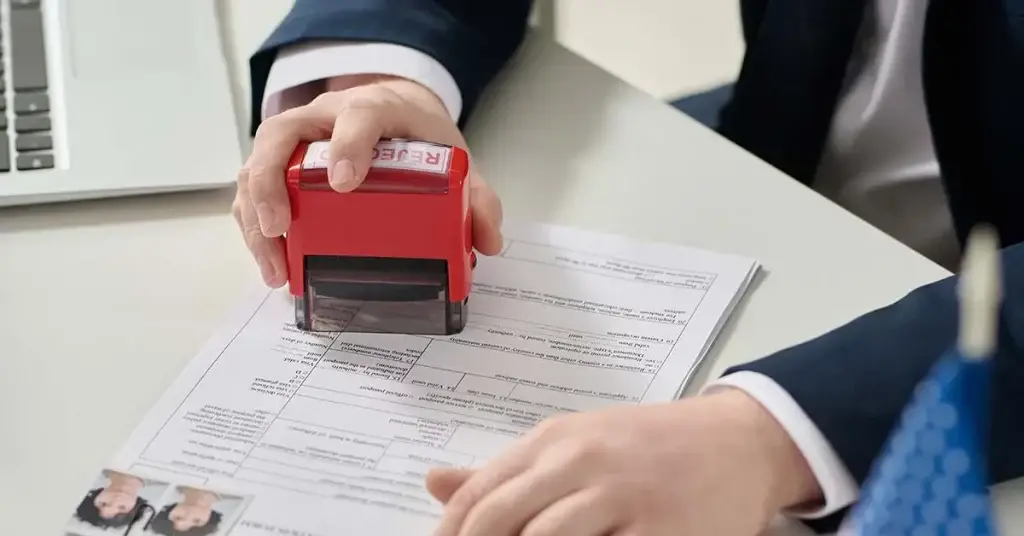
For many Thais who dream of a new life in the USA with their American spouses, finding the quickest and most efficient way to realize this dream is crucial. Reunification is a journey filled with anticipation and questions, especially regarding the complex immigration procedures.
Two common examples are the K-3 visa and the I-130 application. Each of these options offers a different path with its own procedures, deadlines, and requirements. This article aims to explain these two paths and provide clear, concise information so applicants can make an informed decision. It will focus particularly on which option can reunite couples more quickly. Whether you are just beginning to plan your trip or are already on your way, understanding these options will make your journey to a new life in the U.S. easier.
What is the K3 visa?
The K-3 visa is a nonimmigrant visa for Thai spouses of U.S. citizens. This visa category was specifically designed to reduce the waiting time and emotional strain of separation for couples with different nationalities. It allows the Thai spouse to enter the U.S. and live with their American partner while the immigrant visa (I-130) is being processed. The K-3 visa is considered a beacon of hope, offering couples the opportunity to build a life together in the U.S. Its primary goal is to minimize the time spent apart, thereby facilitating the transition and promoting smoother integration into life in the U.S.
Understanding the I-130 application
The I-130 petition, on the other hand, represents a more direct and sustainable path to family reunification. It is essentially a formal application for an immigrant visa, filed by the U.S. spouse. This petition is the first step toward obtaining permanent residency, also known as a Green Card, for the Thai spouse. Unlike the initial K-3 visa application, which is considered a temporary measure, directly applying for the I-130 is a sure path to permanent residency. It symbolizes a long-term commitment and a future in America, providing stability and easing the couple's anxieties. While the I-130 process may take longer, it ultimately results in the Thai spouse receiving the rights and privileges of permanent residency—a significant milestone in the lives of many international couples.
Speed comparison: K-3 visa vs. I-130 application
The crucial question is: Is the K-3 visa faster than the I-130 application? The answer isn't straightforward. Previously, the K-3 visa was indeed the faster route. However, changes in processing times and policies have blurred this distinction.
Advantages and disadvantages of each route
The choice between the K-3 visa and the I-130 visa is not just about speed. There are other factors to consider:
Diploma
While the speed of the K-3 visa may be tempting, especially for couples seeking to shorten their separation, the I-130 application often proves to be the more advantageous choice in the long run. This is particularly true given the varying processing times and the lasting benefits associated with the I-130. For Thai couples desiring a stable and secure future in the U.S., the I-130 application not only symbolizes a commitment to a life together but also paves the way for permanent residency. This path, despite potentially longer waiting times, offers a sense of permanence and security that the temporary K-3 visa cannot provide.
Furthermore, once the I-130 process is completed, no further status adjustments are necessary, reducing the complexity and potential additional costs of transitioning from non-immigrant to immigrant status. Thai couples should weigh these long-term benefits against the immediate but only temporary relief offered by the K-3 visa.
To make the most of these options, consulting an immigration expert is highly recommended. They can provide tailored advice that takes your individual circumstances and priorities into account. Keep in mind that traveling to the U.S. to join your family is a significant step. Patience, informed decisions, and careful planning will pave the way for a successful and stable start to your life together. Filing for Form I-130 can be the key to a more secure and fulfilling future in the U.S. for many Thai-American couples.
Contact Siam Legal
[column size='1/2']
LIVE SUPPORT
CALL
CHAT
Chat with our employee
From Thailand: Monday – Friday 4:00 – 18:00 (Bangkok time)
Community
Comments 0
Start the conversation.