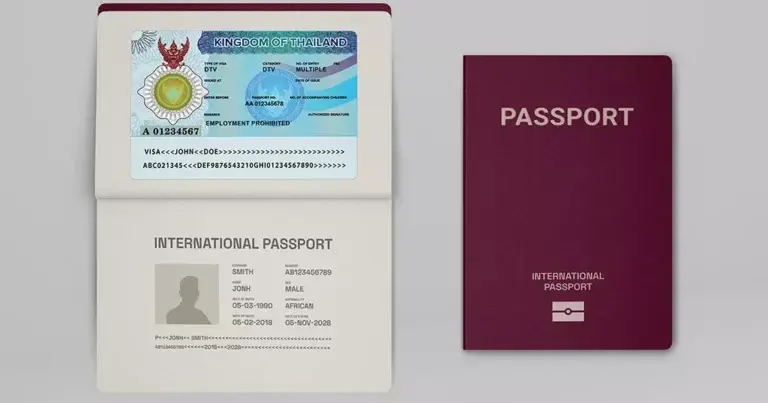
If you plan to stay in Thailand long-term as a remote worker, freelancer, or regular visitor, the Destination Thailand Visa is a cost-effective option. This visa allows you unlimited entries within a five-year period, with each stay lasting up to 180 days. Furthermore, you can extend your stay once after each entry, allowing you to remain in Thailand for up to one year.
In 2025, there are some important changes you should be aware of before applying. Following the initial uncertainty after the visa's introduction, certain requirements have been clarified and new application procedures have been implemented. If you are still unsure about the DTV visa, this new information might change your mind.
What is a visa for Thailand?
The Thailand visa is a long-term visa for remote workers, freelancers, and anyone interested in experiencing Thai culture. It is valid for five years and allows multiple entries into Thailand. Each stay is limited to 180 days and can be extended for another 180 days per entry for a fee of 1,900 THB.
This visa does not entitle you to work for a Thai company or to apply for a Thai work permit. However, you can work for a foreign employer or run an online business from Thailand. If you have a spouse or children, they can apply for a DTV as your dependents.
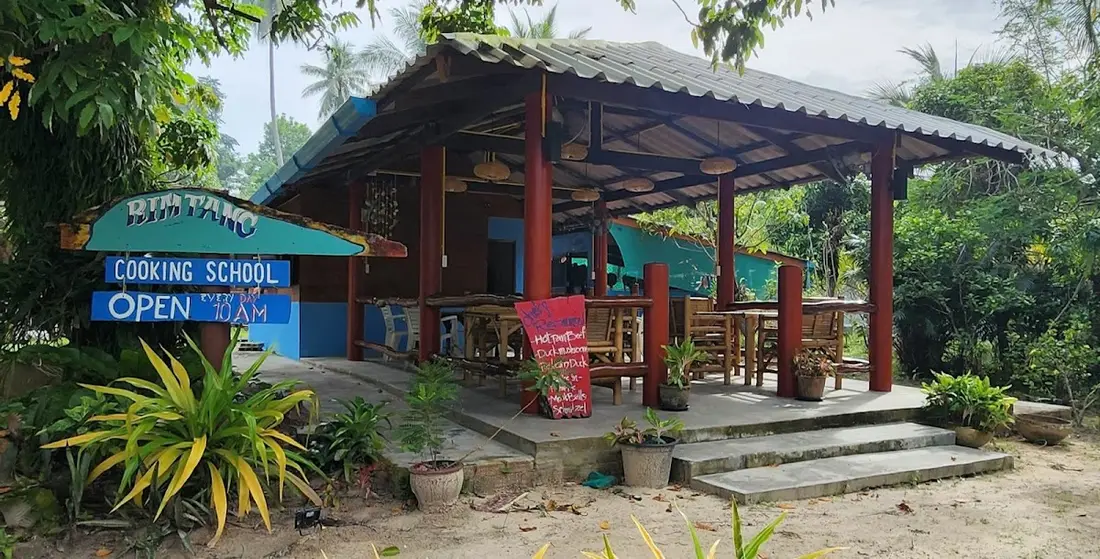
The DTV is often referred to as a visa for digital nomads, but it encompasses more than just remote work. It also includes activities under Thailand's "soft power" program, such as Muay Thai training, cooking classes, wellness programs, and long-term treatments. You can apply for a DTV if you are registered with a recognized organization for one of these activities.
How to apply for a visa for Thailand in 2025
To apply for a DTV through a Thai embassy, you must be outside of Thailand. However, since the Thai e-visa system is now available worldwide, you no longer need to appear in person. You can now submit your application online and even receive support from Thai visa agents, no matter where you are.
There is considerable confusion surrounding the DTV program, as the government has not published detailed guidelines. However, based on our experience with numerous applications, we have gained valuable insights into what the Thai Immigration Bureau expects from DTV applicants in 2025. This guide outlines the DTV application process and includes additional information from our visa consultants.
Steps to apply for a visa for Thailand
Each Thai embassy has its own procedures for processing DTV applications, but the general application process in 2025 follows these steps.
Step 1: Gather the required documents
Before you apply, please make sure you have the following:
Step 2: Online application or application at a Thai embassy
Step 3: Wait for approval
Step 4: Enter Thailand and enjoy your stay
Where can one apply for a visa for Thailand in 2025?
Since 2025, the Thai e-visa system has been available at all Thai embassies and consulates. In most cases, a personal visit to an embassy to apply for the DTV is no longer required. You can instead submit your application online from any country with a Thai embassy or consulate, upload the necessary documents, and receive your visa by email.
However, you must be outside of Thailand at the time of application. Attempting to apply from within the country and falsely stating that you are abroad can have serious legal consequences. To avoid complications, please always adhere to the official guidelines.
What's new with the Thailand visa for 2025?
Recent changes to the DTV visa regulations and testimonials from successful applicants can influence your application. We've compiled key insights from applicant feedback to support you throughout the application process. Here's what you should know before applying.
1. Language schools no longer meet the requirements.
Previously, some applicants used enrollment in language schools to support their DTV applications, but this is no longer accepted. Assuming you were considering Thai language courses as a path to the DTV, you will need to explore other qualifying options, such as cultural or wellness programs, that meet the updated requirements.
2. Soft power activities should last at least six months.
If you are applying for Muay Thai, Thai cooking classes, or long-term treatments under Thailand's Soft Power program, your program should be at least six months long to have the best chance of approval. Shorter programs may be rejected. To avoid problems, ensure your application is properly documented and meets the minimum duration requirement.
3. Visa fees and financial requirements vary depending on the embassy.
The standard fee for a DTV visa is 10,000 THB, but some Thai embassies may require higher amounts. While the basic financial requirement is savings of 500,000 THB, some embassies have stricter requirements for proof of funds. For example, the Thai embassy in the US is known for its higher visa fees and stricter financial documentation. Therefore, before applying, check with the embassy handling your application to find out their specific requirements.
4. Some embassies require proof of residence.
Not all embassies process DTV applications from non-residents. In countries like Singapore and Hong Kong, you must provide documents proving your legal residency status before your application can be processed. Therefore, if you are applying from a country other than your home country, you may first need a residence permit or a long-term visa.
Since embassy guidelines can change, we recommend consulting a Thai visa specialist before applying to avoid delays or rejections due to missing documents or unexpected requirements. Our visa advisors will be happy to help you find the best place to apply.
Get expert support with your visa application for Thailand.
Applying for a Thailand visa can be complicated, and mistakes can lead to delays or rejection. Professional pre-application support saves you time and stress. The Siam Legal team processes Thailand visa applications daily and is familiar with the requirements of Thai embassies. We review your documents, ensure you meet the current regulations, and guide you through the entire process to maximize your chances of approval.
Contact Siam Legal today if you are ready to apply for a DTV license. We will be happy to help you make your move to Thailand smooth and stress-free.

Community
Comments 0
Start the conversation.