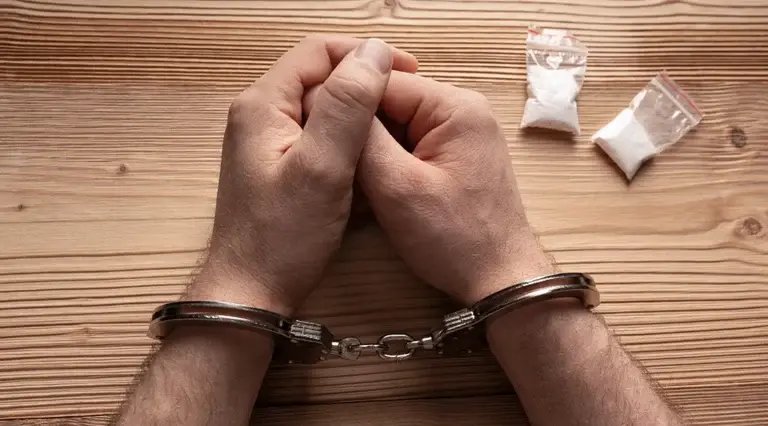
Drug offenses in Thailand carry serious consequences, including life imprisonment and, in the most serious cases, the death penalty. For foreign nationals, these charges can be even more difficult to face due to language barriers, unfamiliar legal procedures, and limited access to support. In such situations, a competent criminal defense lawyer is not just an option, but can mean the difference between freedom and imprisonment in a Thai jail.
This article will tell you which drugs are illegal in Thailand, what steps you should take if you have been charged with a drug offense, and what to look for when choosing a criminal defense lawyer.
Which drugs are illegal in Thailand?
Thailand divides illegal drugs into two main categories: narcotics and psychotropic substances. Each category has its own laws and a tiered system, with penalties increasing with the classification.
Types of narcotics
The Narcotics Act of 1979 defines five categories of narcotics. The most dangerous substances fall under Category I, while less harmful drugs fall under Category V.
Although cannabis was decriminalized in Thailand in 2022, recreational cannabis products with a THC content exceeding 0.2% remain illegal. This means that consuming e-cigarettes, edibles, and other products containing more than 0.2% THC is a criminal offense and can result in serious legal consequences, including imprisonment.
Raw cannabis flowers are legal and available in cannabis dispensaries throughout the country, as are cannabis products (e.g., pre-rolled joints). However, smoking cannabis in public is prohibited and can be punished with a fine of up to 25,000 THB. Furthermore, the sale of cannabis (regardless of THC content) to pregnant women, breastfeeding mothers, and individuals under 20 years of age is prohibited.
Types of psychotropic drugs
The Psychotropic Substances Act of 1975 regulates drugs that affect mental state. They are classified into four categories based on their potential for abuse:
These substances are subject to government regulation. Possession or use, especially without a prescription, can lead to fines or imprisonment. If you are taking prescription medications containing these substances, familiarize yourself with the applicable laws in Thailand. Some are permitted with a prescription, while others are completely prohibited.
What to do if you are charged with drug offenses in Thailand
If you are arrested for drug offenses, you will most likely be searched, drug-tested, and detained. Thai authorities have extensive powers under the Narcotics Act and the Psychotropic Substances Act to search property, conduct drug tests, and, in certain cases, even make arrests without a warrant. Thai police can detain you for up to 48 hours without formal charges if they suspect you of breaking the law.
If you are accused of a drug offense, you should immediately seek criminal defense counsel in Thailand. Choose a lawyer who speaks English or your native language, as these are serious crimes tried in Thai courts. You do not need to answer any questions or sign anything until your lawyer is present.
If you are unable to find a lawyer, you can contact your country's embassy in Thailand. The staff there may be able to recommend legal counsel or put you in touch with your family.
If arrested, you have the right to remain silent and refuse a drug test. However, keep in mind that your refusal to take the test can be used as evidence in court.
Penalties for drug offenses
Depending on the type of drug and the severity of the offense, the possible penalties vary. Here you will find an overview of drug offenses in Thailand with their corresponding penalties, sorted by drug classification from least to most dangerous:
Here you will find an overview of the types of offenses related to psychotropic substances in Thailand, sorted by drug category from lowest to highest risk of abuse:
How to find a good lawyer for drug charges in Thailand
Choosing the right lawyer can make all the difference in drug-related cases in Thailand, whether you face the maximum sentence, a lighter punishment, or even have the case dismissed. As a foreigner, you need someone who speaks your language and not only understands Thai drug law but also has experience representing international clients.
Here are some characteristics to look for when choosing a criminal defense lawyer in Thailand:
Hire a criminal defense lawyer in Thailand
If you are facing charges of drug possession in Thailand, contact Siam Legal International immediately. With over 20 years of experience and in-depth knowledge of Thai criminal and civil law, our bilingual team of lawyers is well-equipped to handle your case and achieve the best possible outcome for you.
We will help you gather the necessary evidence to contest the accusation and prove your innocence, or to negotiate with the prosecution to achieve the most lenient sentence possible. However, if necessary, we will tirelessly fight for your rights and your freedom in court.
If you want to avoid imprisonment in Thailand and protect your reputation, don't hesitate to contact Siam Legal and schedule a consultation now!




Community
Comments 0
Start the conversation.