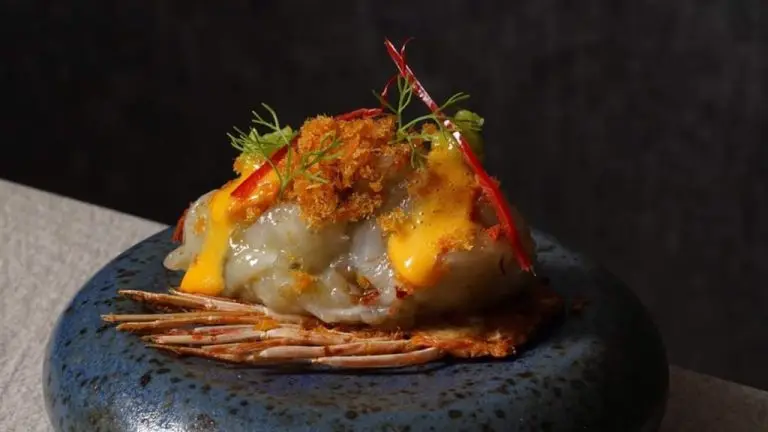
The upscale restaurants in Northern Thailand are redefining traditional Lanna cuisine by combining it with global techniques to create a truly exceptional culinary experience.
Northern Thailand, especially the culturally rich region around Chiang Mai and the surrounding provinces, is a treasure trove of history, art, and nature. The lush mountains, tranquil temples, and vibrant markets are widely known, but the culinary diversity is also a delight. Here are some of the best places to eat.
The fusion of tradition and innovation
The cuisine of the northern Lanna region emphasizes regional and seasonal ingredients such as sticky rice, herbs, wild greens, freshwater fish, and meat, which are often slow-cooked, grilled, or steamed. The dishes are known for their balanced flavors—spicy, salty, sour, and with a hint of sweetness—that are never overpowering.
In recent years, chefs in Northern Thailand have refined the traditional flavors of the Lanna Kingdom with modern cooking techniques. This fusion of old and new has revitalized Northern Thailand's fine dining scene, offering guests a nostalgic yet innovative experience.
Locus Native Food Lab (Chiang Rai)
Locus Native Food Lab is nestled amidst the lush green mountains of Chiang Rai. Chef and owner Gongwut Chaiwongkhajorn uses exclusively local ingredients, focusing on herbs and vegetables typically found only in other provinces. The restaurant emphasizes simplicity: the dishes appear uncomplicated yet surprise with unexpected flavors. Sustainable cuisine is paramount here, exemplified by dishes like Kaeng Toon with catfish. This dish utilizes the traditional Lanna knowledge of combining the native bon plant with taro and fish, resulting in a sweet and sour soup that perfectly complements the natural flavors of the vegetables.
Blackitch Artisan Kitchen (Chiang Mai)
For an experimental fine-dining experience, Blackitch Artisan Kitchen offers a small, individually curated tasting menu with a focus on sustainability. Chef Phanuphon "Black" is known for his innovative use of regional ingredients. He often forages for herbs in nature and employs traditional fermentation methods. The dishes feature, for example, fermented soybeans, wild mushrooms, or seafood from the Andaman coast, and are presented with artistic flair.
Cuisine de Garden (Hang Dong, Chiang Mai)
Located on the outskirts of Chiang Mai, Cuisine de Garden offers a nature-inspired culinary experience. The restaurant brings the beauty of Northern Thailand to the plate, offering a menu that changes with the seasons. Ingredients such as native flowers, herbs, and roots are transformed into visually stunning dishes that blend modern techniques with authentic flavors.
The church service in the house from 1921 (Chiang Mai)
The Service restaurant at the Anantara Chiang Mai Resort offers a steakhouse experience in a century-old teakwood building. Here, imported premium beef is served, along with dishes such as Scotch eggs and afternoon tea reminiscent of an early 20th-century British club. The tranquil and elegant ambiance, overlooking the resort, makes it the perfect place to experience Lanna tradition and culinary refinement.
Sustainability and the philosophy of "farm to table" are lived
Northern Thailand's culinary scene is a shining example of sustainability. Many chefs here follow the "farm-to-table" principle, using locally grown and foraged ingredients to reduce their carbon footprint and support local farmers. This philosophy aligns particularly well with the region's abundant natural resources. Access to fresh fruits and vegetables, herbs, and even game allows Northern Thailand's chefs to offer their guests authentic flavors that reflect the land's bounty.
A region on the culinary map
While Bangkok has long been Thailand's capital, Northern Thailand is gaining increasing international recognition for its cuisine. From traditional Lanna dishes to innovative molecular gastronomy, the region offers an incredible variety of sophisticated culinary experiences for both local and international palates. Here, ancient recipes meet modern refinement, and the natural beauty of the land is reflected in every bite.
In essence, fine dining in Northern Thailand offers more than just a meal – it's a sensory journey of discovery through a region that cherishes history, sustainability, and creativity. Whether you're a foodie or simply curious about new flavors, a visit to an elegant restaurant in this region is sure to be unforgettable.
To plan your culinary trip to Northern Thailand, first research the fine-dining restaurants that interest you and make reservations in advance. Keep in mind the season and the availability of certain ingredients, as the menu is often adapted to local produce. Don't forget to explore the local markets and street food scene for a more comprehensive culinary experience.
This article first appeared on TAT News. About the author: Chattan Kunjara Na Ayudhya (Chat): Khun Chat is a passionate foodie and occasional travel writer. With nearly four decades of experience promoting Thai tourism, he covers everything from world-class attractions to hidden gems. When he's not writing, he enjoys watching romantic comedies and DC superhero movies at the cinema.

Community
Comments 0
Start the conversation.