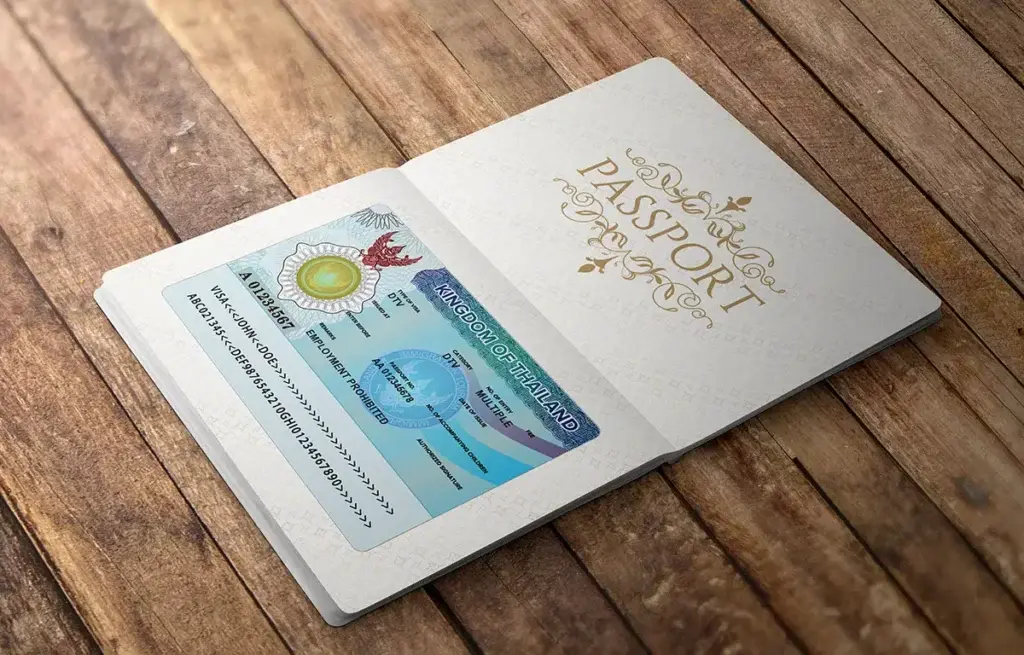
The Destination Thailand Visa (DTV) is one of the newest visa options for Thailand, which understandably leads to a lot of uncertainty. Many of our clients contact Siam Legal seeking clarification on questions regarding the DTV visa. Therefore, we have compiled a list of frequently asked questions to help others understand the DTV visa better. Detailed information about the visa itself can be found on our DTV visa information page.
Can I extend a Thai DTV visa?
If you don't want to leave Thailand every 180 days to extend your stay, you can. You have the option to extend your stay by another 180 days. This is possible at least once per entry and allows you to stay for up to one year without penalty fees. However, you will need to pay a fee and obtain approval from the immigration authorities.
Do you have to prove the purpose of your DTV visa every time you enter Thailand?
No, you only need to prove that you are working remotely or as a freelancer, participating in a Thai soft power activity, or were receiving treatment at a Thai medical facility at the time of your original visa application. Your Delivery Visiting Book (DTV) is all you need to enter Thailand. However, when applying for a visa extension with the Thai Immigration Bureau, you may be required to provide proof of the purpose of your DTV. Plan accordingly.
How long does it take to apply for a Thai digital nomad visa?
The processing time for your DTV visa depends on the embassy or consulate where you submit your application and the country of origin. If you apply in one of Thailand's neighboring countries (e.g., Laos or Cambodia), you will usually receive the visa within a week. However, processing times can vary depending on the country. If you apply for your visa outside of Southeast Asia, for example, in the USA, approval can take two to four weeks.
Can I leave Thailand and re-enter with a DTV ticket?
Yes, one of the advantages of the DTV visa is that it's a multiple-entry visa and doesn't require a re-entry permit. With this visa, you can leave and return to Thailand as often as you like, as long as it's valid.
Who am I allowed to bring with me on my Thailand visa?
If you wish to bring your family members on your trip, you can include your spouse and children as DTV holders. You must submit a separate application and pay an additional fee for each family member. However, there is no limit to the number of people traveling with you.
Am I allowed to work with a Thailand visa?
This visa does not permit you to work for a Thai company in Thailand. However, you can work from home for a foreign company, freelance for foreign clients, or earn foreign income as a self-employed individual. Please note, however, that if you stay in Thailand for more than 180 consecutive days, you may be required to pay Thai taxes on your foreign income (see below).
If you wish to work for a Thai company during your stay in Thailand, you will need a Thai business visa or another visa that allows you to work (see below).
Can I pay with my DTV Visa card without cash?
No, the Thai embassies responsible for processing your application generally only accept cash payments. To ensure a successful application, please make sure you have sufficient cash to cover all fees.
Can I use assets to cover my financial needs?
No, you cannot use capital tied up in assets to meet the DTV's financial requirements. Stocks, real estate, or cryptocurrencies are not accepted to prove you have the required amount of money. You can only meet these requirements with liquid assets such as cash in a savings account, for which an official bank statement is required as proof.
Can I study at a university with a Thailand visa?
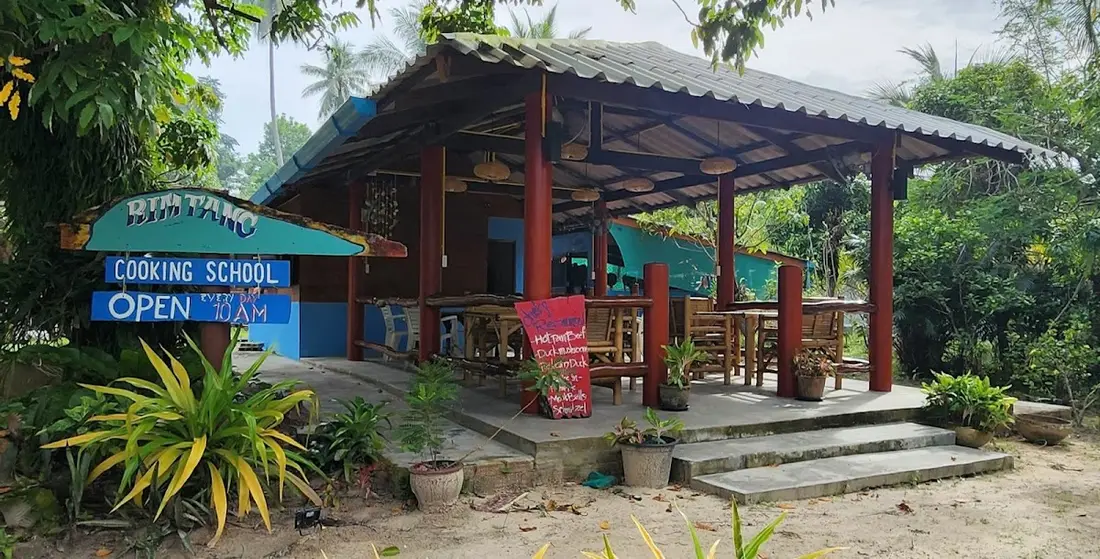
No, unfortunately, the DTV does not permit you to complete vocational training or enroll at a university in Thailand. However, this does not mean you cannot expand your knowledge in other areas. You can take courses in Muay Thai, cooking, and sports, all of which are permitted under DTV guidelines.
Can I start a business with a Thailand visa?
Yes, it is possible to start a business in Thailand with a Thai visa. However, if you intend to work as a manager or in another capacity for the company, you will need a business visa and a work permit. If you are simply a shareholder in the company, a work permit is not required.
Do I have to pay taxes on a visa for Thailand?
Yes. Although it's often said that the DTV (Domestic Tourist Card) exempts you from income tax, that's not entirely true. Anyone who spends more than 180 days in Thailand in a calendar year is considered a tax resident and is required to pay Thai income tax. Therefore, you will have to pay taxes on your DTV if you spend at least 180 days in the country and bring in income from abroad.
Can I purchase real estate with a Thailand visa (destination visa)?
Foreigners are generally not allowed to purchase land in Thailand, regardless of their visa. However, the purchase of certain properties is permitted. As a holder of a DTV (Delhi Television View), you can buy, rent, and own the same types of real estate as other foreigners, such as condominiums. You can legally buy a house, but not the land on which it stands. However, you can enter into a long-term lease agreement of up to 90 years and use the land de facto, but not officially.
What could be the reasons for the rejection of my DTV application?
Unfortunately, there is a possibility that your DTV visa application will be rejected. If the Thai embassy has sent you a rejection notice, this could be for various reasons. The most common reasons include:
Fortunately, a rejected application doesn't mean you can't try again. However, to ensure this doesn't happen again, you should contact the experienced Thai visa consultants at Siam Legal.
Are there alternatives to a Thailand visa?
If the DTV visa is not suitable for you or you do not meet the requirements, here are some alternatives. Both options are examples of long-term visas that allow for an extended stay in the country with the possibility of working remotely.
The Thailand Privilege Visa offers you greater comfort and flexibility during your stay in Thailand. You can choose from four different membership packages, each valid for 5 to 20 years and offering numerous benefits. The biggest advantage of this visa is the points system, which allows you to access exclusive luxury services of your choice.
The Long Term Visa (LTR) is valid for 10 years and allows you to reside permanently in Thailand without having to enter and leave the country during this period. There are several variations of this visa, but they all offer advantages not available with the Long Term Visa (DTV), such as tax exemptions on foreign income and the ability to legally work in Thailand with a work permit.
I have a question that isn't listed in these DTV FAQs. Where can I find an answer to it?
If you would like to learn more about the DTV visa or submit your application, contact Siam Legal to simplify the process. Our professional team has been assisting foreigners with their Thai visa applications for over 20 years and has the expertise to answer all your questions. We will also help you obtain your DTV visa quickly and easily with minimal risk of delays or rejections.
Contact Siam Legal today and arrange a consultation with our DTV team so you can start a new chapter of your life in Thailand with peace of mind, without having to worry that immigration problems will affect your stay.

Community
Comments 0
Start the conversation.