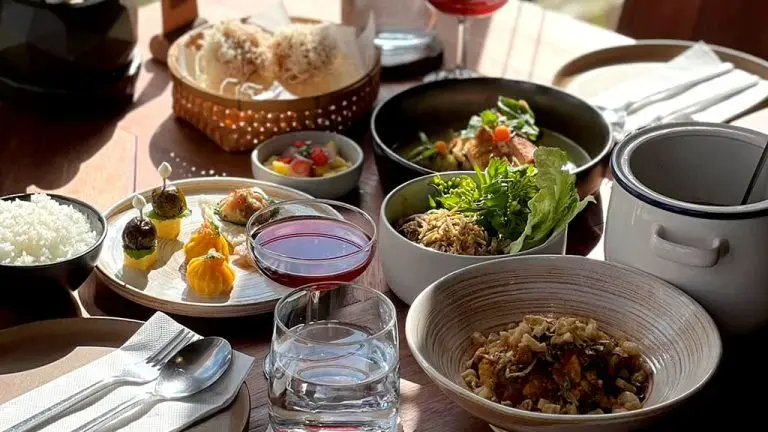
Fancy a fermented pork taco or ant eggs for a main course? The gourmet cuisine of the Isan region promises exciting dishes beyond Som Tum.
The agricultural heartland of northeastern Thailand, known as Isan, has unexpectedly transformed into a hotspot for fine dining. Long renowned for its rustic charm, rich culture, and distinctive cuisine, the region is now a place where traditional flavors and innovative techniques converge, redefining its culinary reputation.
The essence of Isan cuisine
At the heart of Isan's culinary culture lies an appreciation for bold, spicy, and rustic flavors. Sticky rice, grilled meats, and spicy salads like som tum (green papaya salad) and larb (minced meat salad) are staple foods. These dishes are characterized by the generous use of fish sauce, hot chilies, lime juice, and fresh herbs such as mint and cilantro.
A new wave of culinary creativity
In recent years, chefs in the Isan region have begun to refine local flavors using modern fine-dining techniques. They draw inspiration from global trends while remaining true to their roots, reinterpreting traditional dishes through the use of high-quality ingredients, artistic presentation, and sophisticated cooking methods.
The philosophy of farm to table
Many upscale restaurants in Isan focus on regional produce, sourcing their fresh ingredients from local farmers and the surrounding forests. This commitment to sustainability is not just a trend in Thailand's rural areas, but a lived reality. Guests in fine dining establishments in cities like Khon Kaen or Udon Thani enjoy the freshest and most flavorful dishes featuring locally grown organic herbs, free-range poultry, and freshly caught river fish.
Contemporary interpretations of tradition
In restaurants like the Michelin-recommended Samuay & Sons in Udon Thani, chef Num Samuay has reimagined Isan cuisine. His tasting menus are a journey through the region's landscape, combining elements such as Isan-style marinated beef with organic vegetables and unique garnishes like edible flowers and foraged mushrooms. Each dish pays homage to traditional recipes while giving them a modern twist, allowing guests to enjoy a sophisticated yet authentically local culinary experience.
Experience
Another highly recommended restaurant is Kaen in Khon Kaen, also a Michelin-starred establishment. The menu reflects the seasons and the wholesome nature of Isan cuisine. Crisp bamboo shoots are harvested fresh from the garden and used in a flavorful salad with pork neck. Kaen also draws inspiration from the sea. The pomelo salad with Cajun squid is a surprising combination of exotic Caribbean flavors and the juicy, locally grown grapefruit.
Isan's upscale culinary scene is a fusion of influences: French cooking techniques meet local Thai ingredients, Japanese precision meets Isan's bold, spicy flavors. Dishes such as smoked duck breast with tamarind glaze or a delicate soup with aromatic Thai herbs in a French-style slow-cooked broth are just a few examples of this fascinating fusion.
Artisanally produced ingredients
A deep appreciation for artisanal ingredients also characterizes the best culinary experiences in Isan. Tasting menus highlight locally produced fish sauce, handcrafted and aged for months, or rare rice varieties grown in small batches. Some chefs even work directly with local producers to source unique ingredients such as wild honey from forest bees or salt from the region's old salt mines.
Dining with a view
Besides the excellent food, fine dining in northeastern Thailand often offers breathtaking scenery. From restaurants on the banks of the Mekong to idyllic eateries in the hills of Loei province, the region's natural beauty adds another dimension to the dining experience. Imagine savoring a perfectly roasted piece of Isan-style pork while gazing across the lush, rolling hills, or sipping a glass of wine as the sun sets over the Mekong.
A new culinary travel destination
While Bangkok remains the epicenter of Thailand's gourmet scene, northeastern Thailand is rapidly developing into a destination for discerning diners seeking something special. From vibrant street markets to newly opened Michelin-starred restaurants, the Isan region is attracting a growing number of food lovers from around the world. The region's chefs are forging new paths, blending tradition with modernity without losing the essence of Isan cuisine.
Where tradition meets innovation
Isan's upscale culinary scene offers a perfect balance between tradition and innovation. It beautifully showcases the diversity and depth of Isan's culinary heritage while integrating modern techniques that delight discerning palates. Those seeking a unique gastronomic journey will find an unforgettable blend of flavors, textures, and cultural richness in northeastern Thailand – making it a rising star on the international culinary map.
This article first appeared on TAT News. About the author: Chattan Kunjara Na Ayudhya (Chat): Khun Chat is a passionate foodie and occasional travel writer. With nearly four decades of experience promoting Thai tourism, he covers everything from world-class attractions to hidden gems. When he's not writing, he enjoys watching romantic comedies and DC superhero movies at the cinema.
Community
Comments 0
Start the conversation.