What is the cost of living in Thailand?
A single person can live comfortably in Thailand on US$1,000–1,500 (33,500–50,000 baht) per month. This covers a modern one-bedroom apartment, a mix of Thai and Western cuisine, transportation, telephone, and weekend leisure activities. In Bangkok, the same lifestyle costs US$1,700–2,500, Chiang Mai offers the best value at US$1,000–1,400, and island living (Phuket, Koh Samui) falls somewhere in between, with costs rising rapidly the closer you want to live to the beach.
That's roughly 50–65% less than comparable costs in the US, with the biggest differences in rent, groceries, and healthcare. This guide breaks down actual 2026 prices by category and city, creates three complete budgets (for digital nomads, retirees, and couples), and maps each to the income limits for visas in Thailand. Planning a visit rather than a move? Then check out our Thailand travel cost index instead.
Key Facts (2026)
A comfortable budget for a single person is US$1,000–1,500 per month (33,500–50,000 Baht).
A simple life is possible for under 25,000 baht (approx. US$750). A Western-style life with a luxury apartment in Bangkok costs from 120,000 baht (approx. US$3,600). Couples pay about 40–50% more, not double.
Bangkok $1,700-$2,500 · Chiang Mai $1,000-$1,400 · Phuket $1,150-$2,100
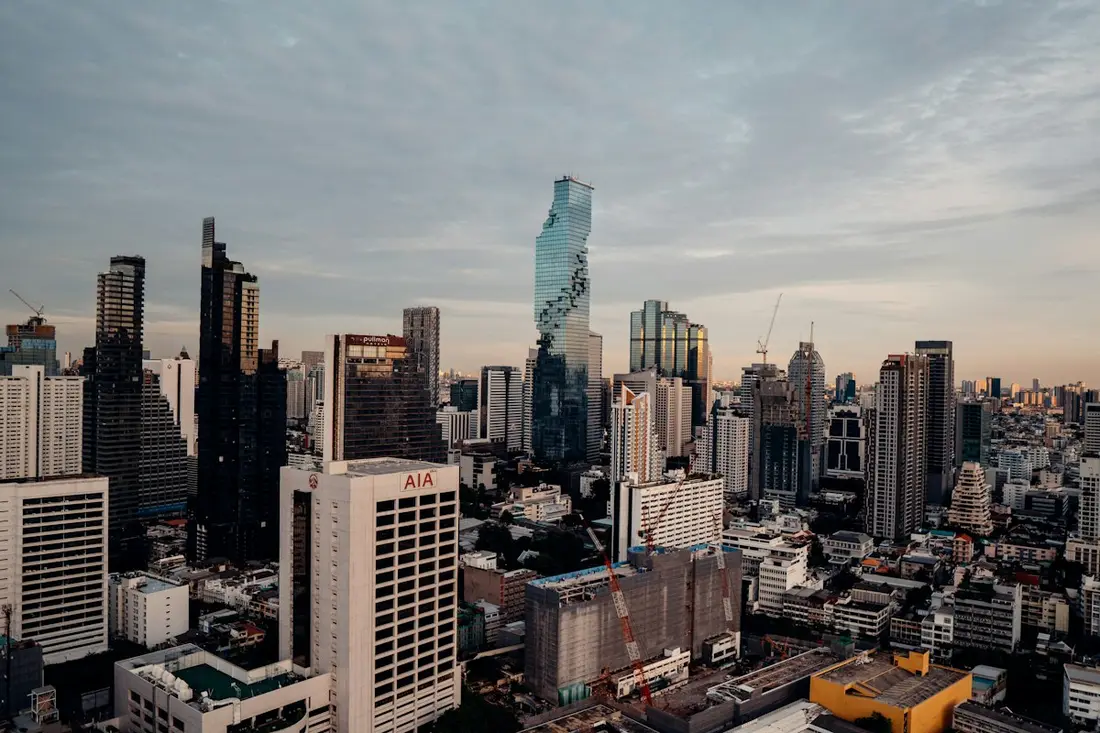
Chiang Mai offers the best value for money. In Bangkok, prices are higher, especially near BTS stations, while island prices depend on the distance to the beach.
The rent for a modern 1-room apartment in Chiang Mai is 10,000–15,000 Baht (300–450 US dollars).
In Bangkok, an apartment costs between 15,000 and 30,000 baht, and in Phuket between 12,000 and 25,000 baht, for a rental period of 6 to 12 months. With a monthly notice period, the rent increases by 15 to 30 percent, so I would recommend a longer-term lease. Walk-ins are often 20 to 40 percent cheaper than online listings.
Healthcare costs are 30–70% lower than US prices.
Doctor's visit 800–1,500 Baht, dental cleaning 1,000–1,500 Baht, comprehensive international health insurance 30,000–60,000 Baht per year if you are in your 40s, in private clinics like Bumrungrad.
The visa thresholds are 65,000 ฿ of monthly income or 800,000 ฿ of accumulated capital (for retirement savings) and 500,000 ฿ of liquid assets (DTV).
There are two options for a retirement visa (for those aged 50 and over). The five-year DTV (Direct Traveler Visa) requires 500,000 baht (approximately US$15,000) plus proof of remote work income. All of these costs exceed the actual cost of living here.
Thailand is 50–65% cheaper than the USA for an equivalent lifestyle.
Rents are 60–80% lower and restaurant meals are 70–80% cheaper. Exceptions include cars, wine and imported alcoholic beverages, imported food, and fees for international schools, whose prices are close to or higher than US prices.
Monthly cost of living by city (individual, 2026)
Prices are valid from July 2026 and were calculated using an exchange rate of 33.5 baht per US dollar. Rent is based on a 6–12 month lease; the price increases by 15–30% for monthly cancellation. Couples pay an additional 40–50% of their budget (the rent is split), not double.
Rent is the cost factor that makes Thailand cheap.
Thailand's biggest cost advantage lies in housing. In Chiang Mai, you can get a modern, furnished one-bedroom apartment with a pool and gym in Nimman or near the old city for 10,000–15,000 baht (US$300–450) per month. Comparable apartments in mid-sized US cities cost four to six times as much. In Bangkok, the price range is wider. For 15,000 baht, you can get a decent one-bedroom apartment in On Nut or Ari, while for 30,000–50,000 baht, you can afford real luxury near Phrom Phong. Proximity to a BTS station is the decisive factor in the price. It's worth paying for.
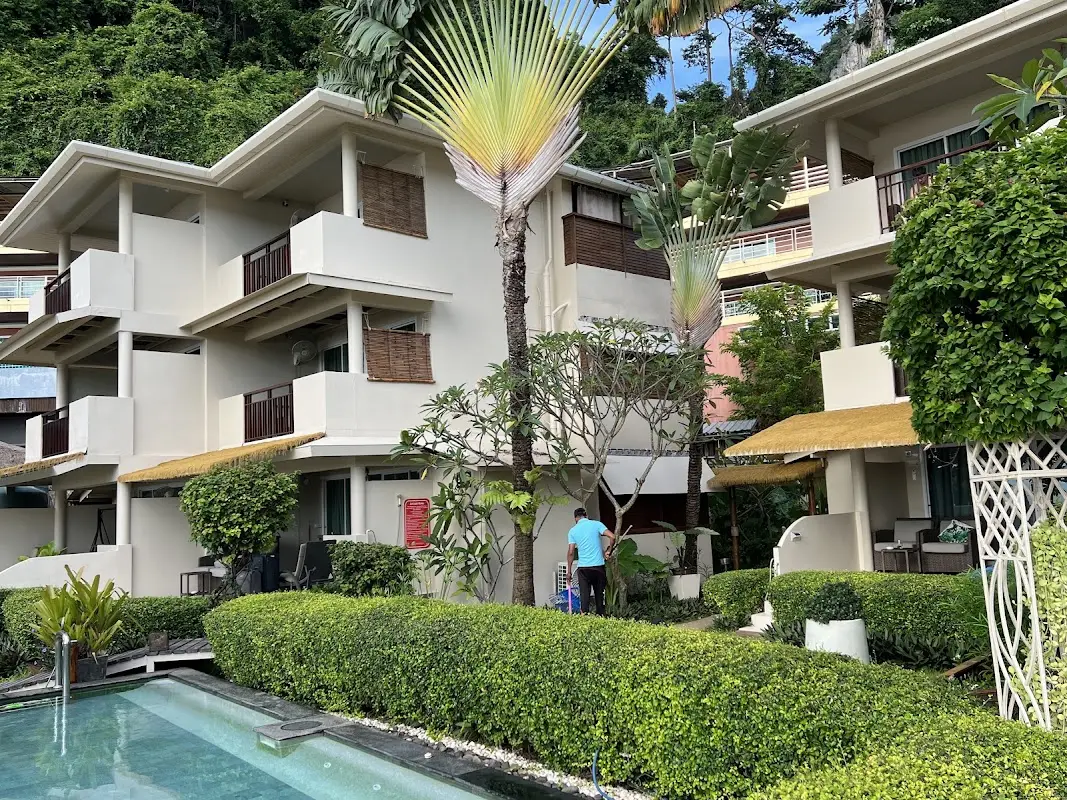
Rental pricing works differently on islands. Long-term rentals are less readily available, quality varies considerably, and prices depend on distance from the beach. In Phuket, you can find a decent vacation apartment in Kathu or Phuket Town (inland) for 12,000–18,000 baht, while the same amount will get you less near Rawai or Bang Tao. The same principle applies throughout Thailand: book accommodation for a week and then search for suitable options in person through Facebook groups and local real estate agents, as online listings are 20–40% higher than local prices, and rental agreements for one to three months are generally negotiable during the off-season.
Cost of food, transport and healthcare in Thailand
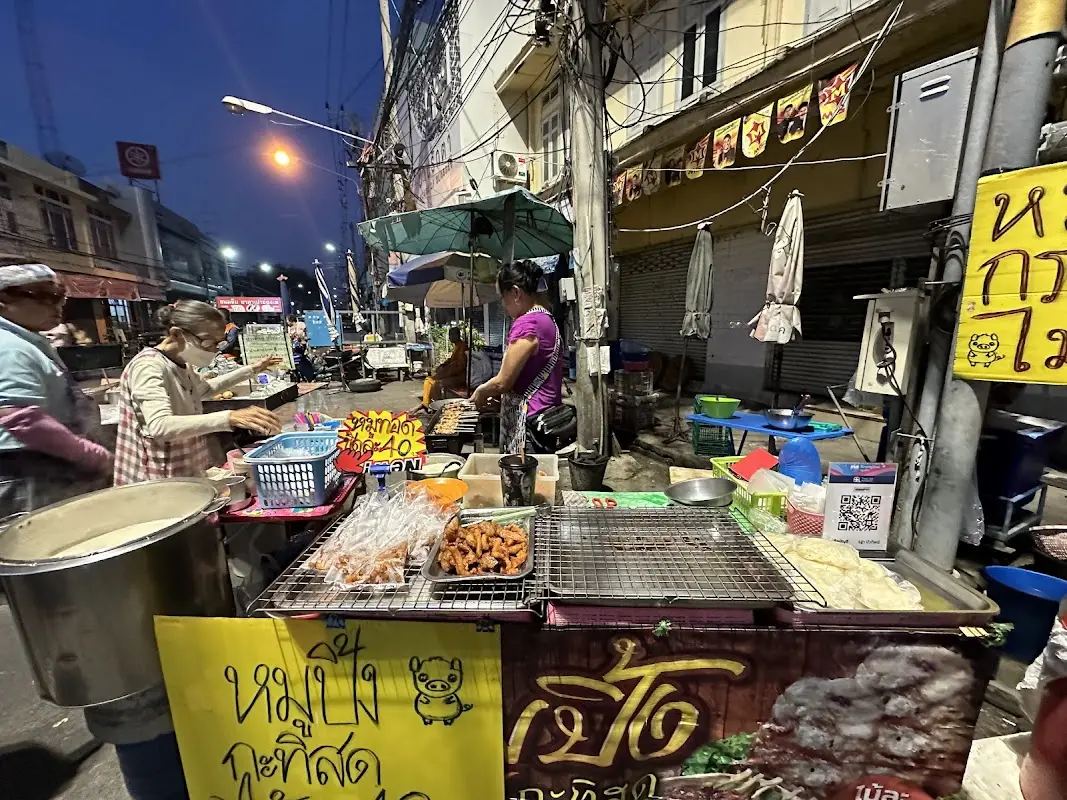
The cost of groceries isn't fixed; it depends on your lifestyle. If you eat Thai food (street stalls 40–80 baht, food courts 50–90 baht, local restaurants 100–250 baht), you can easily manage on 8,000 baht per month. However, if you cook with Western ingredients from supermarkets like Tops or Villa Market, you'll spend more than eating out. Imported cheese, wine, and cereal are 100–200% more expensive. Therefore, it's advisable for expats to eat Thai food and only enjoy Western dishes occasionally – a total of 10,000–15,000 baht per month.
Public transportation is virtually free compared to Western standards. A scooter costs 2,500–3,500 baht per month (25,000–40,000 baht used), petrol is 150 baht per week for trips within the city, a daily BTS/MRT fare in Bangkok is capped at 50–120 baht, and Grab fills in the gaps. Healthcare is a quiet strength. Thailand's private clinics (e.g., Bumrungrad, Bangkok Hospital) offer top-notch care at prices 30–70% lower than in the US. A doctor's visit costs 800–1,500 baht, a dental cleaning 1,000–1,500 baht, and comprehensive health insurance for expats costs 30,000–60,000 baht per year for those over 40. Many long-term residents take out their own insurance for routine treatments and have a separate policy that covers only disasters.
Three realistic budgets for a digital nomad, a retiree, and a couple
Comfortable, not spartan – each room offers flexibility of ±30%. A minimalist single life is possible for under 25,000 baht (US$750); a Western lifestyle in Bangkok with a luxury apartment costs from 120,000 baht (US$3,600).
The visa regulations and income limits that determine who is allowed to stay
Thailand regulates the prices of long-term visas based on income and savings requirements. Therefore, budget and visa application are closely linked. The DTV (Destination Thailand Visa), the 5-year remote work option, requires 500,000 baht (approximately US$15,000) in liquid assets and proof of remote income. The Retirement Visa (non-O/OA, age 50 and over) requires either 800,000 baht (approximately US$24,000) in a Thai bank account or 65,000 baht (approximately US$1,940) per month in retirement income. The LTR (Long-Term Travel Visa) for remote work requires an annual income of US$80,000. All of these amounts are significantly higher than the actual cost of living in Thailand. The established thresholds serve as access control, not as a basis for budgeting.
In practice, a digital nomad with a monthly income of US$2,500 can live comfortably in Chiang Mai (budget: US$1,250), save the difference, and still meet the long-term liquidity requirements for digital nomads. A retiree with a monthly pension of US$2,000 will just barely make ends meet, while the typical retiree budget is US$1,520. All requirements, application steps, and the entry procedure for Thailand (TDAC) can be found in our guide to visa requirements for Thailand. For location-independent work, we recommend the Digital Nomad Guide, which provides an overview of working conditions in various cities.
As a general rule, Thailand is 50–65% cheaper than the USA for a comparable standard of living. The savings are concentrated in rent, groceries, and healthcare. Exceptions include cars (heavily taxed), wine (also heavily taxed), and imported goods.
Are you planning a move – or just a longer stay?
Frequently Asked Questions
Frequently asked questions about the cost of living in Thailand.
With US$1,000–1,500 (33,500–50,000 baht) per month, a comfortable life as a single person is possible in most parts of the country, including a modern apartment, a mix of Thai and Western cuisine, access to a scooter or the BTS (Broadway Transportation System), and insurance. In Bangkok, the same standard of living requires US$1,700–2,500. A couple should budget approximately 1.4 to 1.5 times the monthly salary of a single person, not a couple.
Yes, everywhere it's significantly above the threshold. In Chiang Mai, US$2,000 allows for a near-luxurious lifestyle (high-quality condominium, daily Western meals, regular travel). In Bangkok, it corresponds to a solid middle- to upper-middle-class budget. It also aligns with the 65,000 baht monthly income level required for the retirement visa and is therefore a useful basis for planning.
With a comfortable monthly budget of US$1,300 for a single person, it takes about 6.5 years. With a more modest budget of US$1,000 per month, it takes about 8 years. With a monthly budget of US$2,700 for a couple in Bangkok, it takes about 3 years. Health insurance and deposits required for visas (e.g., 800,000 baht for a retirement visa) are the most important adjustments that need to be made before simply dividing the money.
Essentially, it's roughly 50–65% cheaper for a comparable lifestyle. Rents are 60–80% lower, restaurant meals 70–80% cheaper, healthcare costs 30–70% lower, and public transportation costs a fraction of what it costs to own a car. Exceptions include cars, wine and imported alcoholic beverages, imported food, and international school fees, which are close to or above US price levels.
Among cities attractive to expats, Chiang Mai offers the best value for money, with comprehensive amenities for 28,000–50,000 baht per month. Smaller cities like Udon Thani, Khon Kaen, or Chiang Rai are 20–30% cheaper, but offer less developed infrastructure for expats. Hua Hin is priced in the mid-range for retirees, while the islands and Bangkok represent the expensive segment.
Not exactly comfortable. 500 US dollars is roughly equivalent to 16,750 baht, which is significantly less than the 25,000 baht (750 US dollars) stated in this guidebook, which already includes a basic room, exclusively Thai food, and the use of a scooter. Thais earning local wages and some long-term residents in Isan or the north can manage with that, but it leaves nothing for health insurance, visa costs, or emergencies. I would consider 1,000 US dollars a realistic minimum for a foreigner.
In Phuket, a single-person apartment costs between 38,000 and 70,000 baht (US$1,130–US$2,090) per month. A good apartment inland, for example in Kathu or Phuket Town, can be found for 12,000 to 18,000 baht, with prices correspondingly higher near Rawai or Bang Tao. Koh Samui is in a similar price range. On the islands, rents increase with distance from the beach, the supply of long-term rentals is limited, and quality varies considerably. Only Bangkok is more expensive in Thailand.
Where to stay in Thailand
Compare prices on different trusted booking sites for the destinations listed in this travel guide.
Compare prices on Booking.com
We may receive a commission for bookings made through these links – this will not incur any additional costs for you. Learn more.
You might also like this
Best time to travel to Thailand
The best time to travel is from November to February; the rest of the year is best on the east coast.
Thailand on a budget
Thailand for less money, without sacrificing the best
Is Thailand safe?
What actually poses risks, what is only mentioned in the news, and what do four government advisories say – destination by destination?
Thailand Visa and Entry Requirements
Who is allowed to enter visa-free, what entry controls are in place, what is the TDAC, and how can you extend your stay?
Ethical elephant sanctuaries in Chiang Mai
No riding, no shows, and the protected areas where you watch rather than wash.
I lived in Bangkok for four years and traveled throughout the country from there. The guidebooks reflect my personal opinion and are written as I would explain things to a friend planning a trip.
Ready to create your travel itinerary?
Use our free trip planner to save places, organize days, and share your trip.

Community
Comments 0
Start the conversation.