This map of Chiang Mai is ideal for trip planning, not for lengthy guidebooks. Each map shows you exactly where temples, elephant sanctuaries, markets, hotel districts, roads, and tourist attractions are located – so you can see distances and routes at a glance.
If you prefer looking to scrolling, these Chiang Mai planning maps will help you make decisions faster and plan smarter.
Map of Chiang Mai: Where is Chiang Mai located in Thailand?
Chiang Mai is located in northern Thailand. It is about an hour's flight from Bangkok and about two hours from the southern islands, making it an ideal stopover before or after a beach holiday or city break.
Chiang Mai Sightseeing Map: Top Activities
Chiang Mai's sights can be divided into temples, elephants, and natural highlights, each of which is marked on the city map to illustrate clusters and spatial proximity.
Temples (best explored on foot or with short trips)
Most of the temples are located inside or just outside the old city, making them easy to visit on a relaxed day.
Learn more about the best recommendations for beginners.
Nature exploration (Best suited for half-day or full-day trips)
These places are located outside the city, so it is recommended to plan them as separate excursions.
Ethical elephant sanctuaries
All elephant sanctuaries are located outside of Chiang Mai; plan at least half a day for this.
Chiang Mai Market Map: Where to eat and shop
Chiang Mai is known as a "market paradise" – perfect for a relaxed atmosphere, strolling and local specialties.
1. Night markets – evening strolls & street food
2. Craft markets at the weekend – Local crafts & photos
3. Trendy/Instagram-friendly markets – attractive to young travelers.
4. Traditional markets and markets of daily life – Local food and everyday items
City map for a walk through the old town of Chiang Mai
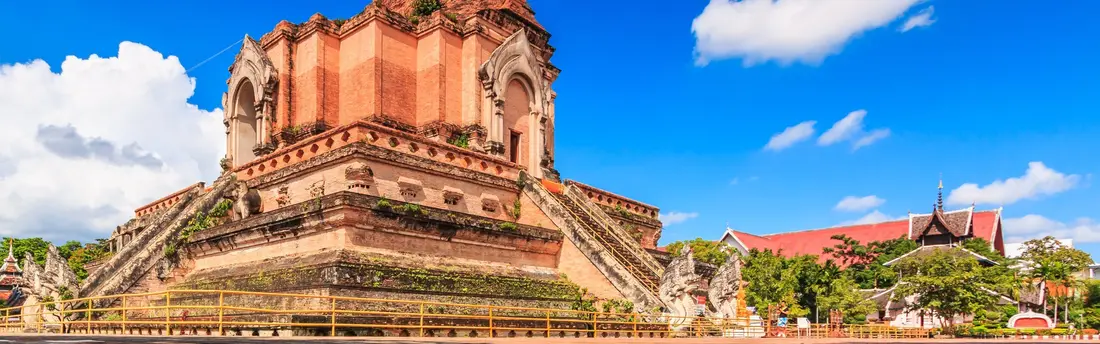
Route: Chiang Mai Gate → Wat Chedi Luang → Wat Phra Singh → Wat Ram Poeng → Wat Chiang Man → Women's Prison Massage → Tha Phae Gate → Chiang Mai Night Bazaar
This circular walking tour takes you through the heart of Chiang Mai with minimal effort. It leads you beyond the temples and naturally combines morning markets, street food, a traditional Thai massage, and a night bazaar into a relaxed experience.
Chiang Mai travel itinerary map
Four days is the most popular length of stay for first-time visitors. It's also worth planning an extra day to fully enjoy Chiang Mai's special atmosphere during Yi Peng and Loy Krathong.
A classic Chiang Mai itinerary usually includes a city tour, an elephant tour, and one or two excursions depending on your interests.
Please note the following details:
1. City tour of Chiang Mai: A must on every itinerary
You will experience the daily rhythm of Chiang Mai.
Stroll through 2-3 temples in the old city, climb Doi Suthep for panoramic views and insights into local spirituality, and then sample street food on a guided culinary tour.
2. Elephant Experience (Half-day or Full-day)
A half-day program is ideal for those with limited time. You can feed, wash, and observe elephants. Why not combine the rest of the day with a cooking class or a trip to Sticky Waterfall?
If you would like to spend more time with elephants, choose a full-day tour for a slower pace.
Optional day trips from Chiang Mai
3. Doi Inthanon National Park: A natural playground for relaxation
If you want to escape the hustle and bustle of the temples and city life, this is the best place for you.
Explore waterfalls, stroll through hill tribe villages, visit the twin pagodas and choose between a short nature walk or a 2- to 3-hour forest hike.
4. Northern Coffee Trail: Closer to the lives of the mountain peoples
This is a hidden gem that most travelers miss.
Take a walk with a local through coffee plantations, learn how the beans are grown and roasted, visit the surrounding mountain villages and enjoy the picturesque mountain views.
5. Mae Kampang Village: A popular weekend getaway for locals
You can spend a day in the forest village, just like the locals in Chiang Mai do. It's a great place for an easy jungle walk, visiting a waterfall, and relaxing in a nearby hot spring.
6. Lamphun & Lampang: A must-see for history lovers
You will get close to the roots of the Lanna civilization and be able to explore the earliest capitals of northern Thailand without crowds.
7. Chiang Rai: Ideal for art and architecture lovers
This is more of an art-oriented pilgrimage than a relaxing excursion, as the journey takes 3-4 hours each way.
Visit the White Temple, the Blue Temple and the Black House, admire modern Thai art and explore the temple grounds.
If you want to include the Golden Triangle, plan 2 days in Chiang Rai.
Would you like to learn more about the individual day trips? Discover the best day trips in Chiang Mai for first-time visitors.
Chiang Mai hotel map: Where to stay?
If hotel quality is important to you, you should stick to the Old Town, Nimman or the riverfront, where boutique hotels and upscale accommodations are concentrated.
Those who are more budget-conscious and willing to accept short journeys will find better value for money in areas around the Night Bazaar or Santitham.
If you would like to learn more about hotel recommendations, check out Where to Stay in Chiang Mai.
Chiang Mai Domestic Travel Map
Chiang Mai is your gateway to Northern Thailand. Nearby places like Pai, Chiang Rai, Sukhothai, and Mae Hong Son are best reached by car – winding roads, travel time over 3 hours.
For Bangkok and the southern islands (Koh Samui, Krabi, Phuket), flying is the fastest option – 1–2 hours – however, flights to the islands are limited and quickly become fully booked, especially during the peak season (November to April).
Chiang Mai Transport Plan
Chiang Mai has an airport, Chiang Mai International Airport (CNX). It is located only 4–5 km from the Old City and can usually be reached by car from the Old City, Nimman, or the riverfront in less than 20 minutes.
Public transport in Chiang Mai is quite limited. There are two buses per hour from the airport to the old city, however, these do not run after 7:10 pm.
Most visitors use red songthaews (shared taxis) or private transfers.
From map to itinerary: Planning Chiang Mai and surroundings
Now that Chiang Mai seems more sensible, the next step is to find the right time to travel and combine the trip with other destinations in Thailand.
Our Chiang Mai travel guides, including information on the best time to visit and trip planning, will help you make your trip smooth and relaxed. Or contact us directly to customize your Chiang Mai trip.
If you would like to further your planning, you can also view our city maps:

Community
Comments 0
Start the conversation.