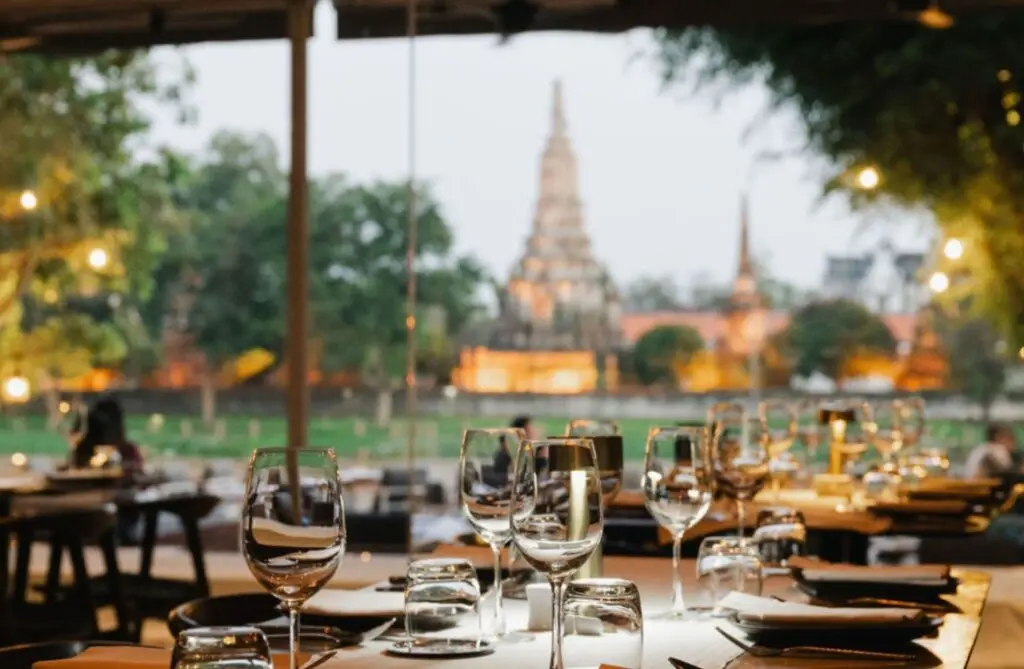
Bangkok, Thailand, November 30, 2024 / TRAVELINDEX / Central Thailand, with its vibrant cities, idyllic river valleys, and rich cultural heritage, is the heart of Thai civilization and a true paradise for food lovers. The region's fine dining scene offers a symphony of flavors that not only blends traditional Thai heritage with modern innovation but also forges a direct link to the Kingdom's rich cultural legacy. These flavors, drawn from the fertile plains, local markets, and royal cuisine of Thailand, create a culinary experience deeply rooted in the country's cultural significance.
The range of flavors: A harmonious balance
Central Thai cuisine is renowned for its balanced flavor profile – a culinary art that skillfully blends sweet, salty, sour, and spicy elements in every dish. This balance, often referred to as a "flavor palette," testifies to the region's culinary artistry. Top chefs in fine dining often strive to perfect this balance, creating culinary masterpieces that are more nuanced and complex than the fiery dishes of the south or the herbaceous flavors of the north.
Characteristic ingredients such as coconut milk, palm sugar, fresh herbs, and various chili varieties are combined to create dishes like Massaman curry, Tom Yum Goong, and the delicate green curry—all classics of central Thai cuisine. In upscale restaurants, these popular dishes are prepared with artisanal precision and meticulous attention to detail. The complexity of the flavors, often overlooked in everyday cooking, is highlighted in exclusive restaurants, creating a multi-sensory culinary experience.
Bangkok: The pinnacle of fine dining
Bangkok, the vibrant capital city, has become a global gastronomic hub, attracting culinary innovators and artists from around the world. These chefs bring a fresh perspective to traditional Thai dishes by infusing them with international influences, thus contributing to the city's diverse culinary landscape.
Sorn, known for its elegant interpretation of southern Thai cuisine, and R-HAAN, which offers unique and modern reinterpretations of Thai classics, are prime examples of how the city has become a hub for chefs with creative vision. The decor, presentation, and ambiance of these restaurants elevate the entire dining experience to a new level, where culinary art on the plate becomes a story.
Traditional Thai royal cuisine – historically prepared for the country's nobility – has found new expressions in these restaurants. Upscale restaurants in Bangkok often reinterpret dishes like Khao Chae (chilled rice with jasmine water) and Miang Kham (food wrapped in betel leaves) by combining international flavors, creative presentation, and molecular gastronomy techniques.
Seasonality and sustainability
One of the most important trends in fine dining in Central Thailand is the growing focus on sustainability and seasonality. Chefs are increasingly using regional, organic ingredients and collaborating with local farms and markets. This commitment to sustainability not only reduces the carbon footprint but also celebrates the diversity of native ingredients from the Chao Phraya River basin and inspires a new generation of chefs and food lovers.
Das Nahm, one of Bangkok's Michelin-starred restaurants, pioneered this movement. The restaurant emphasizes the use of traditional ingredients like fermented shrimp paste and wild herbs in modern dishes, while prioritizing sustainable sourcing. The chefs also experiment with local vegetables and rare rice varieties, such as Jasmine Rice 105, to highlight the regional character of their cuisine.
While Bangkok remains the epicenter of fine dining, other regions of Central Thailand also offer exceptional culinary experiences. The ancient city of Ayutthaya, with its picturesque riverfront, is home to restaurants that blend the region's rich history with exquisite cuisine. Sala Ayutthaya Eatery and Bar is a prime example: here, modern Thai dishes are combined with breathtaking views of ancient temples – a truly unforgettable experience.
Kanchanaburi province, renowned for its breathtaking landscapes, also boasts a burgeoning fine dining scene. Here, the fusion of traditional Thai ingredients with international cooking techniques blends seamlessly with the natural beauty of the riverbanks and surrounding hills, creating a culinary experience in harmony with nature.
The fine dining of Central Thailand is more than just a culinary experience – it reflects culture, history, and the Thai way of life. The dining experience embodies Thailand's cultural values of Sanook (joy) and Nam Jai (generosity) with dishes designed for sharing and enjoyment, based on deep hospitality.
In many upscale restaurants, guests can experience culinary performances reminiscent of ancient Thai customs, such as traditional dances and the art of carving fruits and vegetables into intricate floral arrangements. These experiences enrich the dining experience culturally and connect the guest with Thailand's cuisine and spirit.
Gourmet cuisine in Central Thailand is a journey for all the senses. It unites flavors, tradition, innovation, and sustainability, thus bridging the gap between tradition and modernity. Whether in the vibrant streets of Bangkok or on the tranquil banks of the Chao Phraya River, Central Thailand's gourmet cuisine offers a feast for the senses, celebrating the country's culinary brilliance and reflecting its rich cultural heritage.
Written by Chattan Kunjara Na Ayudhya (Chat)
Community
Comments 0
Start the conversation.