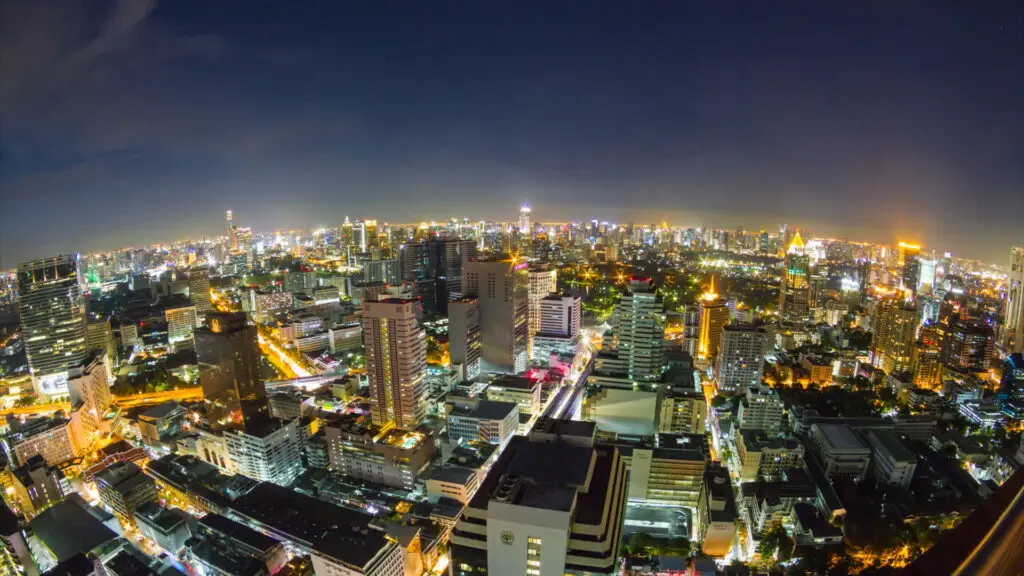
Thailand continues to strive to reach pre-COVID-19 pandemic tourism levels, as tourism revenue is a vital sector of the economy. Leading the charge is the capital city, Bangkok, which once again claimed the title of "Most Visited City" in 2024. To further solidify its position as a regional hub and boost tourism, Thailand has launched a series of events for 2025 designed to highlight the city's cultural significance and its offerings to the global community.
Bangkok tells this story within the framework of the UNESCO Creative Cities Network (UCCN), a UN organization that strengthens cooperation between cities in the areas of culture and urban development. This year, the Thailand Creative Culture Agency (THACCA) is using Bangkok Design Week to promote Bangkok in the UCCN's design category, foster sustainable urban development, and build international connections through locally developed design.
What is Bangkok Design Week?
Bangkok Design Week (BKKDW) 2025 took place for the eighth time in February. This year's art and design festival was themed "Design + Uprising." BKKDW places creativity at the heart of the search for solutions to improve quality of life and promote social progress. For creatives, the event offers a platform for experimenting with innovative ideas rooted in local identity.
The event offered visitors a diverse program, ranging from practical art workshops to engagement with site-specific installations. Festivalgoers could also support local artists at neighborhood markets, discovering new and previously unknown aspects of Bangkok.
BKKDW offered something for everyone and fostered new perspectives and the exchange of ideas between locals, international visitors and everyone in between.
The city districts that participated in Bangkok Design Week
BKKDW is an annual, citywide event that spans several districts, each with unique contributions and attractions. Here is a list of the districts that participated in this year's Design Week, along with their main attractions.
Charoenkrung-Talat Noi
Charoenkrung, located on the east bank of the Chao Phraya River, is known as "Bangkok's First Street." It plays a central role in the city's commercial history. The district is home to mosques, embassies, commercial buildings, and official Art Deco structures, and is a place of cultural diversity reflected in its architecture, shops, and restaurants.
The Thailand Creative & Design Center (TCDC) is also located in the Grand Postal Building, the symbolic headquarters of Bangkok Design Week and hub for all participants of the event.
Yaowarat-Songwat
Bangkok's neon-lit Chinatown pulsates with energy from morning till night and has long attracted visitors with its distinctive Thai-Chinese culture, gastronomy, and bustling commerce. Today, Yaowarat Road and Songwat Road are hubs for creative entrepreneurs, contemporary design, and innovative ideas, reflected in galleries, cafes, and public spaces.
Phra Nakorn
The Phra Nakorn district is the historical and cultural center of the city. It is world-renowned for its temples, palaces, and communities with a rich artisan heritage.
For BKKDW, an 860-square-meter "sua" (Thai for a sitting mat) made of recycled plastic was installed in Lan Khon Meuang Town Square. The aim was to transform the space into a giant living room for everyone, as this type of mat is commonly used to cover living areas in Thai homes.
This Sua served as a huge gathering place where visitors could linger, rest, and reflect between exploring the various venues and installations of BKKDW.
Pak Khlong Talat
The location of Bangkok's most important fresh flower market, Pak Khlong Talat, is designed to appeal to all five senses. The Bloom Experiment has impressively captured this in the exhibition "Float Flow Flower".
Located in a park just 15 minutes away from the Sanamchai MRT station, this art installation used recycled CDs that reflected a kaleidoscope of colors, similar to the different types of flowers at the market. It pays tribute to the history of the canals and the way of life of the people who once lived and worked in them.
Bang Pho
Bang Pho, Thailand's largest timber trading district, is renowned in both the local and international communities. It is Bangkok's center for wooden furniture manufacturing, and its designers, artisans, and carpenters showcase their finest work at BKKDW.
Hua Lamphong
Thailand's oldest railway station, Hua Lamphong, has gradually transformed into a cultural hub, offering a diverse program ranging from public big band swing dance performances to film screenings and concerts. As part of the BKKDW program, festivalgoers were able to explore the entire area, from Bangkok's main post office (Rongmuang) to the Sri Hua Lamphong Hotel, and soak up the many impressions of this cultural event.
Bang Lamphu—Khaosan
The new Sonjai House art studio in Banglamphu offered a diverse program in this well-known and popular tourist district. From craft markets and culinary exhibitions to photography shows, the artists of BKKDW skillfully told the story of the people of Khaosan.
Other participating districts
In addition to the aforementioned districts, BKKDW25 took place at other locations throughout the city, for example with the BANGKOK MODERN exhibition at the Goethe-Institut Thailand, which presented architecture from the 1950s to the 1970s. The Khlong San MAKE project was also part of the event, directly involving the local population by inviting students from surrounding schools to further education courses in design with a focus on sustainable materials.
When is the best time to visit Bangkok Design Week?
Bangkok, brimming with activity, innovative initiatives, and centuries-old traditions, is THE destination in Southeast Asia for creative festivals and immersing yourself in its rich culture. Bangkok Design Week showcases the best local artists and innovators – the perfect time to discover the vibrant heart of Thailand. Visit the official BKKDW website for more information about next year's festival.




Community
Comments 0
Start the conversation.