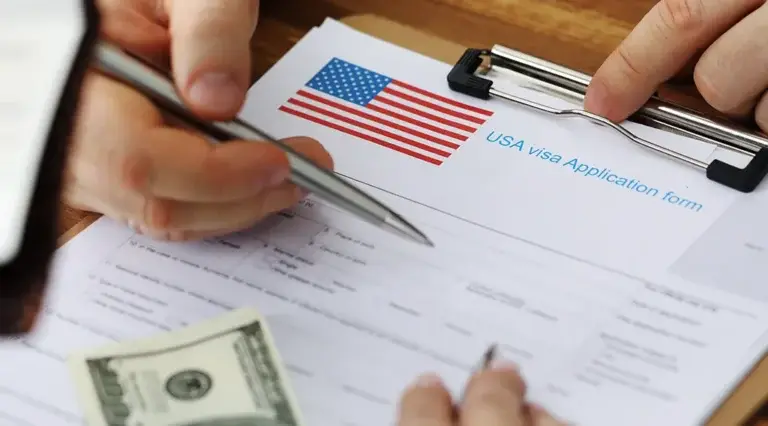
If you have previously been deported or expelled from the United States, applying for a US visa in Thailand is not sufficient to guarantee re-entry. US immigration laws impose strict entry bans, often for five, ten, or even twenty years. Until these legal obstacles are cleared, any new visa or green card application will be rejected.
Before the government will process your application for a new visa or a Green Card, you must first file Form I-212. This form is used to request re-entry into the United States after deportation or expulsion. Filing this form is a prerequisite for the U.S. government to even consider your re-entry.
This article explains when and how to file Form I-212 for re-entry into the USA, what documents you need to prepare, how much it costs, and what can improve your chances of success.
What is Form I-212?
Form I-212 is a formal request to the U.S. government for permission to re-enter the country after deportation or expulsion. It does not guarantee re-entry. Rather, it gives you the opportunity to submit a new visa or green card application that would otherwise be blocked due to your previous immigration record.
The government takes this request seriously. By submitting it, you confirm the legal grounds for your deportation and request an exception based on your current situation. Approval allows your new application to be reviewed. Rejection upholds the deportation order and prevents further processing.
Who needs to submit Form I-212?
You must file Form I-212 if you have been expelled, deported, or barred from entering the United States and wish to return before the ban expires. The length of the ban depends on your immigration history and can range from five years to indefinite.
You must also apply if you voluntarily left the U.S. after a deportation order, if certain immigration laws prohibit you from re-entering, or if you are still subject to an entry ban and wish to apply for a visa. If you are from a country participating in the Visa Waiver Program and were previously denied entry, you may also need to apply.
Example: If you were deported in 2019 for overstaying your visa and now wish to apply for a fiancé(e) visa in 2025, you will likely need Form I-212 if your re-entry ban has not yet expired or been lifted.
Form I-212 may not be required if your travel ban has already expired and no other reasons prevent your return. However, many applicants only realize they are still subject to a travel ban after their visa application has been denied.
When should you submit Form I-212?
If you remain barred from re-entering the U.S., you should file Form I-212 for re-entry before applying for a new visa or green card. Do not delay your visa application, as it will not be processed while the travel ban is in effect.
Re-entry bans often last five, ten, or twenty years. In more serious cases, they are for life. Even if your re-entry ban is about to expire, filing Form I-212 can prevent delays and future complications. By filing your I-212 for re-entry into the U.S. early, immigration authorities can process your case without delays or additional obstacles.
Where and how can Form I-212 be submitted?
Where you submit Form I-212 depends on your circumstances. If you are applying for your visa from outside the U.S., you may need to submit it through a U.S. embassy or consulate. If you are participating in the Visa Waiver Program, you may need to submit it to U.S. Customs and Border Protection (CBP) at your point of entry.
Most people send it to the US Citizenship and Immigration Services, especially if they have been deported from the US or submit it along with another form such as Form I-601.
You can submit the form individually or together with other applications. However, you must include the correct documents and pay the correct fee.
What documents are required?
You must submit the signed and fully completed Form I-212 along with supporting documentation. This will help the U.S. government assess your case and immigration history.
All documents must be in English. If documents are in another language, please include certified translations and notarized copies. Ensure your documents are clearly presented to avoid delays or rejection.
Core application documents
Proof of family or personal ties in the USA
Humanitarian or employment-related justification
Proof of rehabilitation and good moral character
All documents must be in English. Otherwise, you will need certified translations and notarized authentications. Please ensure your documents are presented clearly and concisely to avoid delays and expedite the processing of your application.
How much does it cost and how long does it take?
The processing fee for Form I-212 is $1,175. You can pay by check, bank draft, money order, debit card, or credit card. Checks should be made payable to the U.S. Department of Homeland Security. Fees are subject to change at any time, so please check the current amount before submitting your application.
There is no premium or express option. Processing times vary depending on the filing location and the workload of the responsible authority. Most applicants wait several months, but some cases take over a year. Missing or unclear documents can delay processing, so prepare everything carefully.
How to get your Form I-212 approved
Whether your application is approved depends on how well you present your case. Officials will examine why you were expelled, your conduct before and after your expulsion, and your current location.
They take into account both the positive and negative aspects of your application. A clear and honest application with compelling documents increases your chances of approval.
Help with filling out form I-212
Completing Form I-212 determines whether you can legally return to the United States. A complete and accurate application increases your chances of approval. However, errors, missing documents, or sending it to the wrong address can lead to delays or even rejection.
A team of lawyers can help you avoid these problems. We review your immigration history, prepare the necessary documents, and present your case in the best possible light. If you have violated immigration regulations in the past or have experienced other issues, legal assistance can make a crucial difference.
The processing fee stated in this article reflects the rates at the time of publication. Fees are subject to change. For current information and personalized advice, please contact us today.
LIVE SUPPORT
CALL
CHAT
Chat with our employee
From Thailand: Monday – Friday 4:00 – 18:00 (Bangkok time)


Community
Comments 0
Start the conversation.